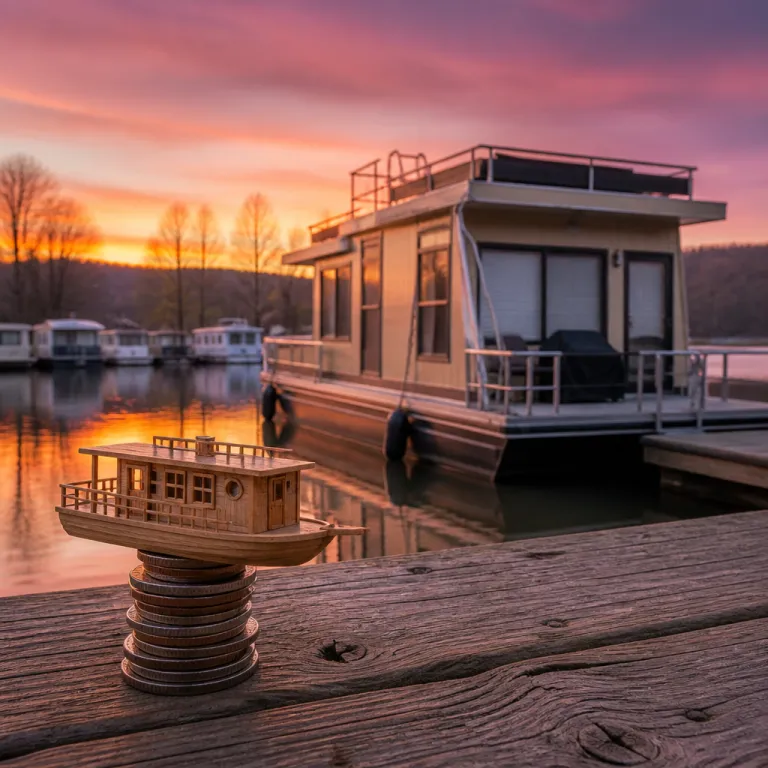
The new economics of houseboat rental in the shoulder season
Booking a houseboat in the shoulder season is no longer a niche hack; it has become the quiet strategy reshaping how premium families approach floating stays. When you time your houseboat trip for May or the early autumn shoulder period instead of peak summer, nightly rates on many lakes often fall by roughly twenty to forty percent while marinas feel calmer and more local. That shift alone can turn a once-in-a-decade houseboat vacation into something you repeat every other year.
Across the United States, the pattern is consistent on both headline destinations and quieter lakes. Operators on Lake Powell, Shasta Lake, Lake Cumberland, Smith Mountain Lake, and Rainy Lake typically define the shoulder season as the weeks just before schools break for summer and the weeks after the main summer rush, and those dates are where you will usually find the most generous price breaks. Industry guides and marina FAQs commonly describe it as “periods just before or after peak season, often offering lower rates,” which captures the logic clearly.
For a premium family used to five-star resorts, the value shift is striking. A well-kept seasonal houseboat with three cabins, a hot tub, and a flybridge on a large lake can cost less per night than two connecting rooms at an upscale urban hotel when you bring a full group of eight to twelve. The key is to treat off-peak houseboat pricing as a deliberate tactic, not a last-minute compromise, and to understand how boat operators structure their rates across the calendar.
Shoulder season sweet spots on iconic lakes
Not every lake behaves the same way, so choosing the right shoulder-season window matters as much as choosing the right boat. On Lake Powell, for example, the marinas at Wahweap and Bullfrog see intense peak season demand in midsummer, yet May and late August into early autumn usually bring softer light, cooler nights, and noticeably lower rental fee levels. Families who plan a week-long houseboat itinerary in those windows often save money twice, once on the base rate and again on reduced fuel use thanks to milder temperatures.
Shasta Lake in northern California follows a similar curve but with its own rhythm. Water levels, snowmelt, and regional school calendars all influence when a seasonal houseboat is cheapest, so you should always check the operator’s calendar rather than assuming one fixed pattern. Infrastructure investment on American waterways, such as the extensive canal and marina upgrades described in this analysis of a major British waterway upgrade at a 10 million pound bet on canals, tends to lengthen the viable shoulder season because better facilities make cooler months more comfortable.
On quieter lakes like Rainy Lake in Minnesota or Smith Mountain Lake in Virginia, the economics tilt even further in your favor. These lakes rarely hit the same peak season frenzy as Lake Powell, so the difference between summer houseboat prices and shoulder-season rates can be dramatic for multiple families sharing a vessel. When you compare boats across destinations, look beyond the headline nightly cost and factor in expected fuel consumption, marina fees, and the cost of any guided water sports you plan to add to your houseboat trip.
Early booking, last minute gambles, and dynamic pricing
Planning ahead is the most reliable way to capture shoulder-season value. Premium European operator Locaboat Plaisance, for example, has historically advertised early booking discounts of up to around thirty percent on selected boats, and similar structures are now common on American lakes. Booking your boat six to nine months before your preferred dates will usually unlock a strong combination of rate, layout, and departure marina.
Dynamic pricing models are spreading across the sector, which means that the rental fee you see today may not be the same one you will find next week. Aggregators such as Houseboating.org track special offers on boat rentals, while individual marinas on Lake Powell or Shasta Lake quietly adjust rates in response to demand, weather forecasts, and fuel prices. For families who can be flexible, a last-minute houseboat trip in the shoulder season can still be a bargain, but you trade certainty of layout and departure date for the chance to save money.
Technology is also changing what counts as a premium amenity. Some newer seasonal houseboat fleets now advertise Starlink satellite internet, upgraded lake pump systems for cleaner showers, and electric propulsion options that cut fuel costs, trends explored in depth in this piece on zero emission vessels as the next guest amenity. When you compare offers, weigh those operational upgrades against the base price; a slightly higher nightly rate on a more efficient boat can still reduce your total spend over a full week on the lake.
Group dynamics, layouts, and how families really use the boat
The most powerful lever in off-peak houseboat economics is not a promo code; it is how many people you bring. A boat that sleeps twelve will feel indulgent for one family, yet becomes exceptional value when two or three families share the space and split the costs. On many lakes, that can bring the per-person-per-night figure below the price of a midscale roadside hotel.
Layout matters more than raw length when you travel as a group. Look for a houseboat layout with at least one quiet cabin for younger children, shaded outdoor seating for grandparents, and a clear deck plan that keeps water sports gear away from the main walkway, so everyone can enjoy lake time without tripping over paddleboards. When you study floor plans online, imagine a real night on board with your group, from the first coffee at sunrise to the last glass of wine under the stars, and check whether the galley, bathrooms, and lake pump systems can handle that rhythm.
Families often underestimate how much time they will spend on the upper deck. A well-designed flybridge or roof lounge turns the boat into a floating terrace, with a view that changes every hour as you cruise the lake or swing gently at anchor. If you plan to work remotely while the rest of the group swims and plays, confirm that the operator offers reliable Starlink or similar connectivity, and ask whether there are any extra fees for that service so you can budget accurately for the full week.
Hidden costs, line items, and how to genuinely save money
Base rates tell only half the story of shoulder-season savings. To compare offers honestly, you need to unpack every line item, from fuel and insurance deposits to cleaning charges and marina parking fees. A slightly higher rental fee that includes most extras can be cheaper than a bare-bones quote that adds costs at every step of the trip.
Fuel is usually the largest variable after the nightly rate. On big water like Lake Powell, where distances between marinas such as Wahweap and remote side canyons are significant, a heavy-handed throttle can add hundreds of dollars in fuel by the end of the week, while a slower pace and a more efficient boat can save money without reducing your ability to enjoy lake scenery. Ask the operator for realistic fuel estimates for your planned route, and check whether any fuel credits are available during the shoulder season as part of special offers.
Other quiet costs hide in the small print. Some operators charge extra for early boarding, late returns, or mandatory orientation cruises, and a few still add daily fees for premium connectivity such as Starlink, even when the hardware is already installed on the boat. Before you click any content skip button or rush to skip footer sections on a booking page, read the full terms carefully, and do not hesitate to call the marina to clarify how they handle lake pump maintenance, cleaning standards, and any water sports equipment you plan to rent on site.
Choosing the right lake, boat style, and booking platform
Where you sail can matter more than what you sail when the goal is stretching your budget in the shoulder season. Premium lakes with global name recognition, such as Lake Powell, often command higher base rates than equally beautiful but less famous reservoirs and rivers, even in the same month. Families willing to trade a headline destination for a quieter lake frequently gain both better prices and a more relaxed atmosphere.
Boat style is the second major variable. A compact houseboat with a simple layout, modest engines, and a focus on outdoor decks will usually cost less to rent and to run than a larger vessel with multiple bathrooms, a hot tub, and high-end entertainment systems, yet both can deliver the same essential experience of waking up on the water each night. If your group spends most of the day outside swimming, fishing, or trying new water sports, you may not need the most elaborate interior, especially when you travel in the shoulder season and can enjoy lake breezes rather than relying on air conditioning.
Finally, think about where you book. Specialist platforms such as boat stay focused sites curate a selection of premium boat hotels and houseboats, while aggregators like Houseboating.org highlight limited-time deals across multiple marinas, and resort operators increasingly add floating suites and pontoons as explored in this feature on how resorts are adding floating amenities. Whether you reserve directly with a marina at Wahweap or through a curated booking website, keep screenshots of every quote, check how the footer close sections describe cancellation rules, and confirm in writing what is included in the final price for your trip houseboat adventure.
Onboard life in the shoulder season: comfort, climate, and rhythm
Once you have secured a good rate through shoulder-season tactics, the question becomes how to live well on board. Shoulder season brings cooler mornings and evenings, which means you can sleep comfortably with windows open, listen to the lake at night, and rely less on energy-hungry air conditioning. That change alone can reduce both fuel consumption for generators and the background noise level, making the boat feel closer to a quiet waterfront hotel than a busy marina.
Daytime rhythm also shifts in these months. With fewer boats on the water, you will find more secluded coves, easier mooring, and less competition for kayak launches or water sports slots, so multiple families can spread out without feeling crowded. Children can enjoy lake swims from the stern platform while adults prepare lunch in the galley, and the whole group can gather on deck for golden hour without the soundtrack of neighbouring parties that often defines peak season.
Comfort comes down to small details. Pack layers for cool evenings on the upper deck, bring soft lighting for the saloon so the view through the windows remains the star, and agree on a simple rota for cooking, washing up, and managing the lake pump and waste systems so no one feels overburdened. When the practicalities run smoothly, the luxury of a houseboat trip in the shoulder season is not about marble bathrooms or elaborate room service; it is about the rare feeling that your family has an entire lake to itself for a full week.
Key figures on shoulder season savings for houseboat rentals
- Shoulder season rates on many North American lakes are often in the range of twenty to forty percent lower than peak summer prices, based on published marina rate grids and aggregator comparisons, which can shift a premium houseboat from aspirational to attainable for families sharing costs.
- Early booking discounts of up to roughly thirty percent have been promoted by some European operators such as Locaboat Plaisance, and similar structures are increasingly common among American marinas that want to secure bookings months in advance.
- On budget-friendly boats with a full group of eight to fourteen guests, per-person-per-night costs can fall below about forty dollars when you combine shoulder-season pricing with early booking incentives and shared fuel expenses.
- Lake Powell Resort and Marinas has periodically promoted shoulder-season offers that combine around fifteen percent off selected houseboats with fuel credits or similar perks, effectively reducing both fixed and variable trip costs for longer itineraries.
- Lakes such as Rainy Lake in Minnesota, Smith Mountain Lake in Virginia, and Lake Cumberland in Kentucky often post lower base rates than headline destinations, and the gap widens further during the shoulder season when demand is more local than international.
To see how this plays out in practice, imagine a late-September, seven-night booking on a mid-range, three-cabin houseboat at Lake Powell for ten guests. A typical peak-season base rate might sit near $6,000 for the week, while a shoulder-season quote for similar dates could drop to around $4,200. In this scenario, assume roughly 120 miles of cruising at an average of 1 gallon per mile and a fuel price of about $5.50 per gallon, which yields an $800 fuel estimate, plus around $300 for cleaning and orientation and $200 for marina parking and taxes. That brings the total to roughly $5,500, or about $79 per person per night—often less than two midscale hotel rooms once you factor in self-catering and shared activities.
FAQ: planning a shoulder season houseboat stay
What is the shoulder season for houseboat rentals ?
The shoulder season for houseboat rentals is the period just before or just after the main summer peak season on a given lake. On many American lakes, that means late spring and early autumn, when weather is still pleasant but demand has eased. Operators define exact dates differently, so always check each marina’s calendar.
How much can I save by booking early for a shoulder season trip ?
Booking early for a shoulder-season houseboat trip can unlock substantial savings. Some European operators have advertised up to around thirty percent off for reservations made several months in advance, and American marinas often mirror that structure with their own early booking discounts. Combined with naturally lower shoulder-season base rates, this can reduce total trip costs by a third or more in favourable cases.
Are shoulder season houseboat trips less enjoyable than peak summer stays ?
Shoulder-season houseboat trips are often more enjoyable for premium families who value space and calm. Weather on many lakes remains mild, yet there are fewer boats on the water, shorter queues for fuel docks, and more availability for guided water sports. Many guests report that cooler nights, softer light, and quieter anchorages feel more luxurious than the intensity of peak season.
Which hidden costs should I watch for when comparing houseboat offers ?
When comparing houseboat offers, look beyond the base rental fee to fuel charges, cleaning fees, insurance deposits, marina parking, and any mandatory orientation or captain services. Ask whether amenities such as Starlink connectivity, hot tubs, or premium water sports equipment carry extra daily fees. A transparent quote that bundles most extras can be better value than a low base rate with many add-ons.
How many people should share a houseboat to maximise value without losing comfort ?
The ideal group size depends on the boat’s layout, but many premium houseboats are designed for eight to twelve guests. Filling most berths usually delivers the best value per person while still leaving enough space for privacy and quiet corners. When multiple families travel together, agree on cabin allocations and shared costs in advance so everyone feels the arrangement is fair.