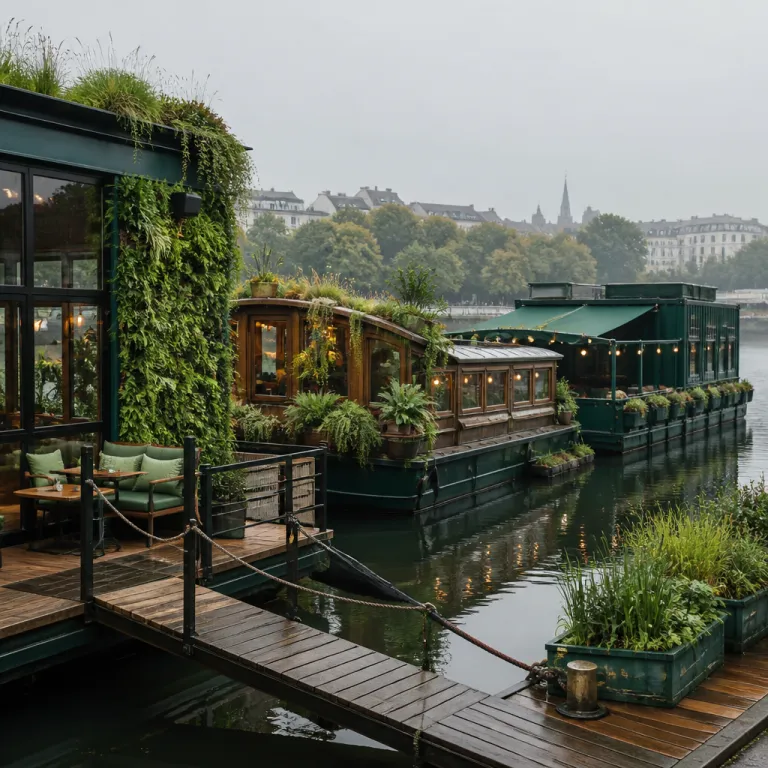
The heritage behind the floating restaurant dining trend
Floating restaurants did not appear overnight on your Instagram feed. The floating restaurant dining trend traces a clear line from early showboats on inland water to the neon lit restaurant vessels that once defined hong kong’s Aberdeen Harbour. In the background, hospitality brands quietly studied how these water based experiences could be translated into refined hotel environments.
When William Chapman built the first showboat in 1831, he created a travelling restaurant vessel long before anyone used the term experiential dining. That early boat combined entertainment, food and river scenery, turning a simple dining experience into a moving theatre on water. This blend of marine infrastructure, culinary management and spectacle still shapes how guests judge floating dining concepts today.
Later, hong kong’s famous sea palace style floating restaurants, including the Jumbo Kingdom, pushed the idea further. These vast floating structures operated as self contained floating venues, with multiple dining rooms, fast food counters and banquet tables suspended above the harbour. They proved that a floating restaurant could anchor a whole destination, not just serve as a novelty stop for tourists.
Historians such as Encore Sin Pui On, who studied Aberdeen’s floating restaurants, point out how these restaurant boats preserved maritime heritage while modernising service. In parallel, European cities experimented with smaller restaurant barges on the Seine and Amsterdam’s canals, where each restaurant boat offered a more intimate dining room. Over time, these restaurants evolved from simple floating food stalls into sophisticated marine hospitality platforms.
Today, more than 500 floating restaurants worldwide generate an estimated 2.5 billion USD in annual revenue, according to the Global Hospitality Report. That scale confirms the floating restaurant dining trend is not a passing curiosity but a mature hospitality segment. For travellers booking boat hotels, this heritage explains why so many properties now integrate a dedicated floating restaurant or restaurant vessel into their core guest proposition.
Why dining on water feels different from land based restaurants
Step onto a well designed restaurant boat and the shift is immediate. The soft roll of water underfoot, the muted harbour acoustics and the low hum of marine engines create an experiential dining atmosphere that no land based restaurant can quite match. Even before the first plates of food arrive, guests sense that this dining experience will be unique.
Water changes how chefs and designers think about space, sound and service. A floating restaurant must balance weight, storage and movement, so every dining room, table layout and kitchen corridor is calculated with marine precision. This modular thinking has inspired a new design movement, where modular floating platforms support compact kitchens, intimate tables and panoramic windows without compromising safety.
Operationally, the constraints are just as specific. Marine management teams must plan deliveries around tides, weather and limited dock access, which shapes menus and wine lists. Many floating restaurants lean into seasonal dining experiences, using shorter menus and local sourcing to keep storage light while still offering refined food. The result is often a tighter, more confident culinary narrative than you find in sprawling land restaurants.
Acoustics also behave differently above water. Sound travels across open harbours and rivers, so designers use soft materials, low ceilings and clever zoning to keep each table conversation private. Guests notice that the usual restaurant noise is replaced by gentle water sounds and distant city echoes, which subtly reinforces the sense of experiential dining.
For business leisure travellers, these nuances matter. A floating dining venue can double as a discreet meeting room, where the motion of the boat and the changing waterfront location help reset a jet lagged mind. When you book a boat hotel that integrates such floating dining experiences, you are effectively reserving both a restaurant and a moving lounge, tailored to the rhythm of the water.
How floating hotels turn meals into full scale water based experiences
Luxury boat hotels now treat the floating restaurant dining trend as a core design pillar, not an add on. Instead of simply mooring next to existing restaurants, many properties build their own floating venues, from compact restaurant boats to expansive modular floating platforms. This shift allows them to control every aspect of the dining experience, from the first welcome drink on deck to the last dessert served under the stars.
Nordic Season’s 48 unit Stockholm hotel, for example, is organised around a central floating restaurant and spa. Guests move from cabin to dining room via open air walkways, staying close to the water at every step of the experience. The restaurant vessel itself uses modular infrastructure, so terraces can be reconfigured for private events, chef’s tables or small corporate dinners without disturbing other guests.
Yacht hotels such as Four Seasons I go even further by embedding Michelin starred dining experiences directly into the vessel. Here, the restaurant is not just adjacent to the accommodation ; it is structurally part of the boat, with galleys, wine cellars and chef’s counters integrated into the marine architecture. For executives extending business trips, this means a seamless transition from meeting to tasting menu, without ever leaving the water based environment.
Across these properties, management teams increasingly view food as the primary storytelling tool. Onboard chefs design experiential dining journeys that reference local fisheries, harbour markets and regional recipes, turning each meal into a narrative about the surrounding water. Guests might start with floating food canapés served on the upper deck, then move to a more formal table in the main dining room as the boat slowly changes location.
For travellers considering longer stays or even remote work, this integration of accommodation and floating dining is especially relevant. Guides on working from the water, such as analyses of whether digital nomads can thrive on floating hotels, highlight how a strong restaurant offering supports both productivity and leisure. When you book through a specialist platform for boat stays, look for properties where the floating restaurant, bar and lounge are clearly described as part of a coherent hospitality experience, not just an occasional perk.
Sustainability, modular floating design and the new marine infrastructure
The latest wave of floating restaurants is shaped as much by regulation as by romance. Resorts and boat hotels are investing in modular floating platforms made from high density polyethylene and other eco friendly materials to comply with stricter marine rules. These modular floating systems allow operators to expand or contract their floating structures without heavy construction, reducing impact on sensitive shorelines.
Industry reports describe how resorts now integrate floating dining decks, plunge pools and even fast food kiosks into a single modular infrastructure grid. Each floating venue connects to shared utilities, waste management and grey water treatment, ensuring that the overall hospitality operation remains water based yet responsible. For guests, this behind the scenes engineering translates into clear water views and cleaner consciences.
Sustainability also shapes what appears on the table. Many floating restaurants work with local fishermen to serve genuine catch of the day menus, cutting food miles and supporting nearby communities. When a restaurant boat sources shellfish from the same bay it overlooks, the dining experience becomes a direct expression of place, not a generic hotel offering.
Operators are careful to communicate these efforts without slipping into greenwashing. Transparent information about marine management, fuel use and waste systems now appears alongside wine lists and tasting menus, especially in high end restaurant vessels. Guests who care about eco friendly travel can therefore compare floating restaurants not only on cuisine and design, but also on how thoughtfully each one treats the surrounding water.
As more cities open their harbours to floating structures, local governments collaborate with marine architects and the wider hospitality industry to set standards. Methods range from converting existing vessels into restaurant boats to building entirely new floating food platforms that meet strict safety codes. In this context, the trend floating towards sustainable experiential dining is not just aesthetic ; it is a structural shift in how waterfront infrastructure is planned and managed.
Destinations, social media and how to choose your floating dining experience
Certain cities have become laboratories for the floating restaurant dining trend. Hong kong, despite the closure of some icons, still inspires new restaurant vessels across Asia, while Amsterdam’s canals host an evolving mix of intimate restaurant boats and larger floating venues. In Scandinavia, design led floating restaurants pair Nordic seafood with restrained interiors, turning every table into a quiet front row seat on the water.
Social media has amplified these dining experiences, but the most memorable evenings go beyond the usual sunset shot. When you scroll through posts tagged with floating dining or floating food, you will see everything from casual fast food barges to multi course tasting menus on sleek yachts. The key is to look past the imagery and assess how each restaurant manages location, marine conditions and guest flow.
For business leisure travellers, a few practical checks make all the difference. Always reserve in advance, especially for small restaurant boats with limited tables and fixed seatings, and verify safety measures such as life jackets, railings and clear evacuation routes. It is also wise to check weather conditions, since wind and swell can affect both comfort and the overall dining experience.
When comparing floating restaurants attached to hotels, pay attention to how integrated the concepts really are. Some properties operate their floating structures as stand alone restaurants, while others weave them into full weekend experiences that include spa access, marine excursions and curated dining experiences on deck. The latter usually deliver better value for executives extending a work trip into a short water based escape.
Finally, remember that a floating restaurant is, at its core, a dining room balanced on water. As one standard definition puts it, “A dining establishment situated on water.” That simple idea now supports a global hospitality trend, where restaurant vessels, sea palace style platforms and compact modular floating decks all compete to offer the most compelling experiential dining moments at the waterline.
FAQ
What is a floating restaurant and how does it work ?
A floating restaurant is a dining establishment situated on water, usually built on a barge, converted boat or purpose built platform. Marine engineering and architectural design ensure the structure remains stable, while hospitality teams manage food service much like any high end restaurant. Power, water and waste systems connect either to shore based infrastructure or to self contained onboard units.
Are floating restaurants safe for guests ?
Floating restaurants are safe when they follow marine safety regulations and undergo regular inspections. Operators must provide adequate railings, life jackets, emergency lighting and clear evacuation procedures for all guests. Before booking, you can ask the venue or hotel about their latest safety checks and certifications.
Where did the floating restaurant concept originate ?
Early forms of floating restaurants appeared on American rivers in the nineteenth century, when showboats combined entertainment and dining on moving vessels. In the twentieth century, hong kong developed large scale harbour based floating restaurants that became international icons. These two lineages now influence modern restaurant boats from Europe to Asia.
How should I choose a floating dining experience during a trip ?
Start by deciding whether you prefer a casual meal or a full experiential dining event with multiple courses and wine pairings. Then check the location, type of vessel, menu style and how the restaurant handles weather, motion and safety. Reading recent guest reviews and hotel descriptions will help you match the floating restaurant to your expectations.
Do floating restaurants have environmental impacts ?
Like any marine activity, floating restaurants can affect local waterways if they are poorly managed. Many modern operators use eco friendly materials, modular floating platforms and advanced waste systems to reduce their footprint. Choosing venues that publish clear sustainability practices is one of the best ways to support responsible water based hospitality.