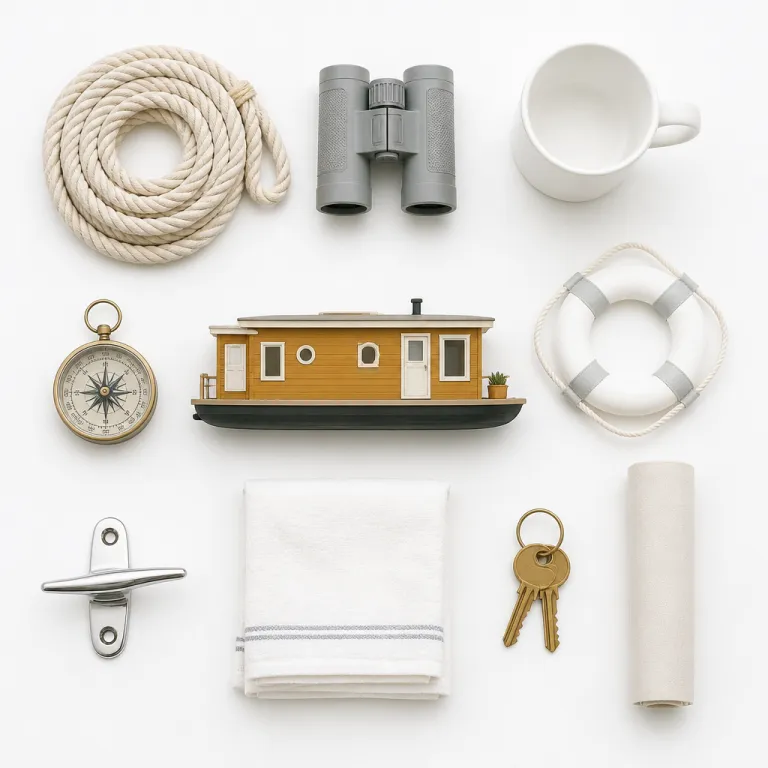
1. Why this book houseboat Netherlands guide matters for discerning travelers
Booking a floating stay in the Netherlands looks simple at first glance. Yet once you compare each boat, every houseboat layout, and the maze of waterways, the process quickly feels opaque for travelers used to traditional rooms. This book houseboat Netherlands guide exists to turn that confusion into a clear, confident plan.
The Netherlands has more than 7 000 km of navigable inland waterways, one of the densest networks in Europe. That means you can sleep on boats in quiet Friesland lakes, on a moored house in Utrecht’s medieval canals, or in a polished harbor lodge facing Rotterdam’s skyline. A serious book houseboat Netherlands guide must therefore help you find the right base, not just the right vessel, because location shapes every view, every outing, and every sense of comfort.
For couples seeking premium experiences, the choice is rarely about the cheapest boat. It is about which houseboat or fleet of boats offers the most refined room design, the calmest stretch of canals, and the most reliable service when you need a quick insurance clarification or a last minute briefing departure. Rental agencies such as Huren Houseboat and Marina Parcs, along with platforms like Borrow A Boat, now curate luxury options that rival high end city hotels in Amsterdam and beyond. This guide focuses on those premium stays, where time feels expansive, the waterline is your horizon, and unique experiences come from the quiet details rather than gimmicks.
2. Choosing your Dutch waterway: beyond Amsterdam’s famous canals
Most travelers start with Amsterdam because its canals and moored houseboats dominate every search result. The city deserves that attention, yet a serious book houseboat Netherlands guide should show how much you gain by looking beyond the postcard view. Think of Amsterdam as one exceptional base among several, not the only stage for your trip.
Within Amsterdam itself, Marina Parcs offers harbor lodges in a great location for couples who want a refined room with hotel like comfort but still wake up to the soft slap of water against the hull. Huren Houseboat lists luxury houseboat options moored along quieter canals, where you can save your energy for art history walks through the Rijksmuseum and smaller galleries. For a deeper dive into the capital’s floating stays, an insider level Amsterdam canal houseboat guide helps you compare boats, understand neighborhood nuances, and find the right balance between nightlife and tranquility.
Beyond the capital, Friesland’s lakes and waterways offer a softer rhythm, with license free boating routes ideal for first timers who want to pilot their own boat without stress. Utrecht’s compact canals bring you close to cafés and terraces, while Rotterdam’s harbor stays lean into industrial views and bold architecture. When you book, decide whether you want a static houseboat in a city, a cruising boat exploring rural waterways, or a mix of both experiences, then use that decision as your start finish framework for every other choice.
3. Static houseboat or cruising boat hotel: how to decide
One of the most important decisions in any book houseboat Netherlands guide is whether you want a moored house or a cruising boat. A static houseboat in Amsterdam, Utrecht, or Rotterdam behaves like a waterfront suite, with a fixed address, a predictable view, and easy access to restaurants. A cruising boat, by contrast, turns the waterways themselves into your itinerary, with each day’s start finish point shifting as you move through locks, lakes, and canals.
For couples who prize comfort above all, a moored houseboat often feels closest to a premium hotel experience, especially when the room layout includes a proper bed, high quality linens, and a generous bathroom. Agencies such as Huren Houseboat specialize in this style of stay, while Marina Parcs offers compact harbor lodges that still feel unique and refined. If you prefer the freedom of boating, platforms like Borrow A Boat and other European specialists list license free cruisers across the Netherlands, Belgium, France, and Germany, allowing you to plan multi country routes without needing a formal boating license.
Those who already love high end yacht stays in glamorous marinas will recognize the appeal of a curated waterborne experience. For a sense of how city glamour meets sea going luxury elsewhere in Europe, look at this Monaco yacht experience feature, then translate that mindset to Dutch canals and rivers. In the Netherlands, the luxury is quieter and more architectural, with art history rich cities like Leiden and Haarlem providing cultural depth, while your boat or houseboat becomes a private salon on the water. Choose static or cruising based on how much you want to move each day, how confident you feel about handling boats, and how much time you want to spend ashore versus on deck.
4. How booking works: platforms, pricing, and what premium really buys you
Once you know your preferred style, the next step in any book houseboat Netherlands guide is understanding the booking landscape. You can reserve a houseboat or cruising boat through mainstream platforms such as Airbnb and Booking.com, through specialist sites like Borrow A Boat, or directly with agencies including Huren Houseboat and Marina Parcs. Each route has different implications for price, flexibility, and the level of personal briefing departure you receive.
Specialist platforms and agencies tend to understand boating nuances better than generalist sites, which matters when you are choosing between similar looking boats or comparing rooms with slightly different layouts. They can explain whether a license free cruiser on a particular waterway suits beginners, how high the bridges are along your route, and where you can refuel without losing half a day. Mainstream platforms, on the other hand, sometimes offer more flexible cancellation policies and loyalty benefits, which can save money if your travel time is not fixed.
Pricing varies sharply by region and season, with Amsterdam’s central canals commanding the highest nightly rates for both static houseboats and cruising boats that start and finish there. Rural Friesland, Overijssel, and parts of North Holland often offer lower prices and larger boats, making them ideal for groups who want to keep the per person cost down while still enjoying unique experiences. Budget group houseboats can dip below 40 dollars per person per night, making this one of the most affordable group vacation options in Europe according to GetMyBoat, while premium couples focused boats cost more but deliver better soundproofing, higher quality bedding, and a more curated sense of comfort.
5. License free boating, safety, and insurance: what first timers must know
Many international travelers assume they need a formal boating license to pilot a boat in the Netherlands. In reality, no boating license is required for most rental houseboats and small cruisers, which is why this book houseboat Netherlands guide emphasizes license free options for couples who want independence without bureaucracy. Rental operators compensate for the lack of a license requirement by offering thorough training and clear safety protocols.
At check in, expect a detailed briefing departure that covers how to handle the boat, navigate canals and lakes, and respect local waterway rules. Staff will walk you through mooring techniques, bridge etiquette, speed limits, and what to do if you meet commercial traffic on narrower waterways. As one operator explains in the official material, “Use rental agencies or platforms to find and book available houseboats.” “What are the check-in and check-out times?” “Times vary; confirm with the rental provider.” “Is a deposit required?” “Yes, typically a deposit is needed; amount varies.”
Insurance is another non negotiable element of any serious booking, especially when you are piloting a boat for the first time. Most agencies include basic insurance in the rental price, with optional upgrades that reduce your liability if you damage the hull, propeller, or interior of the houseboat. Read the policy carefully, ask how it applies on shared waterways that cross into Belgium or Germany, and keep a digital brochure or summary on your phone so you can refer to it quickly if something happens while you are underway.
6. On the water: etiquette, provisioning, and making the most of unique experiences
Once you have secured the booking and stepped aboard, the real value of a book houseboat Netherlands guide lies in the small, practical details. Mooring etiquette, provisioning strategies, and a sense of how to use your time on the water can transform a pleasant trip into a quietly exceptional one. Think of your boat or houseboat as both transport and home, with every view and every stop curated by you.
On busy canals near Amsterdam or Utrecht, arrive early at popular mooring spots to save yourself the stress of searching for space at dusk. Keep lines and fenders ready, and respect the rhythm of local boats that use these waterways daily for commuting and work. In rural areas, you will often find simple public moorings along lakes and rivers, where the great location is defined less by restaurants and more by the way the light falls across the water at sunset.
Provisioning is straightforward if you plan your start finish points around towns with supermarkets or weekly markets, then top up with fresh bread, cheese, and wine as you go. Many couples treat the boat’s compact room and galley as a private dining space, using the deck for slow breakfasts and late evening drinks while they review the next day’s route in a digital brochure or map. For inspiration beyond the Netherlands, look at curated waterway journeys such as the Stockholm floating hotel guide, then adapt that mindset to Dutch art history towns, rivers that link the Netherlands, Belgium, France, and Germany, and the quiet pleasure of unique experiences that unfold at the pace of the current.
Key figures for booking a houseboat in the Netherlands
- The Netherlands offers more than 7 000 km of navigable inland waterways, according to Borrow A Boat, giving travelers one of the highest densities of boating routes in Europe and an exceptional range of houseboat itineraries.
- Amsterdam canal houseboat stays rank among the most searched floating accommodation queries in Europe, which explains why central moorings in the city often sell out months in advance during peak seasons.
- Budget group houseboats can cost less than 40 dollars per person per night, based on pricing data compiled by GetMyBoat, making shared rentals one of the most cost effective ways to access premium waterway locations.
- Most rental houseboats and small cruisers in the Netherlands are license free for visitors, with operators providing mandatory safety briefings at departure so that first time boaters can navigate canals and lakes confidently.
- Houseboat rentals operate year round in many regions, but agencies report that booking in advance is strongly recommended for spring and summer, when demand for unique experiences on the water is highest.
Frequently asked questions about booking a houseboat in the Netherlands
How far in advance should I book a houseboat in the Netherlands ?
For Amsterdam canals and other high demand waterways, reserve your houseboat or cruising boat at least several months ahead, especially for spring and summer. Rural regions such as Friesland may have more last minute availability, but premium boats and the best mooring locations still sell out early. Booking in advance also gives you more choice of room layouts, departure bases, and license free options.
Do I need a boating license to rent a houseboat in the Netherlands ?
Most visitors do not need a boating license to rent standard houseboats and small cruisers in the Netherlands, because these vessels fall under license free regulations. Rental agencies compensate by providing a detailed briefing departure that covers navigation, safety, and local rules on canals and lakes. Always confirm the exact requirements with your chosen operator, especially if you plan to cross into Belgium or Germany.
What should I expect at check in and check out for a houseboat stay ?
Check in usually includes a tour of the boat or houseboat, a safety briefing, and a review of the inventory and insurance conditions. Check out involves refueling if you have been cruising, returning the boat on time to the agreed base, and a quick inspection by staff. Times vary between providers, so confirm them during booking and plan your final day’s route to avoid rushing back along busy waterways.
How does pricing compare between Amsterdam and other Dutch regions ?
Amsterdam’s central canals command the highest nightly rates for both static houseboats and cruising boats that start and finish there, reflecting intense demand and limited mooring space. Regions such as Friesland, Overijssel, and parts of North Holland typically offer lower prices and larger boats, which can save money for couples or groups willing to travel slightly farther from major airports. Choosing a rural base also often brings quieter waterways and more relaxed mooring options.
What level of comfort can I expect on a premium Dutch houseboat ?
Luxury and premium houseboats in the Netherlands usually feature hotel quality beds, well insulated rooms, modern bathrooms, and well equipped galleys, along with heating for cooler nights. Agencies like Huren Houseboat and Marina Parcs focus on delivering comfort that rivals upscale city hotels, while still giving you direct access to canals, lakes, and harbor views. When you book, read recent reviews carefully to ensure that the specific boat you choose matches your expectations for space, soundproofing, and overall finish.
References : Borrow A Boat ; GetMyBoat ; Netherlands Board of Tourism and Conventions.