Why sustainable houseboat stays are ahead of the curve
Step onto a sustainable houseboat and you feel the shift immediately. The water is not just a backdrop for pretty views; it becomes part of your daily living, shaping how space, energy and comfort are balanced on board. For premium families used to traditional homes on land, these floating homes provide a surprisingly efficient and quietly luxurious alternative.
Modern houseboats are engineered as compact homes where every square metre of living space works hard. Smart houseboat design treats storage as architecture, with built-in storage solutions under beds, in benches and along bulkheads that keep living spaces calm and uncluttered. These space-saving details are not gimmicks; they are the foundation of sustainable living on the water, where low-impact choices are dictated by physics, not marketing.
Boat manufacturers, environmental organizations and regulatory bodies now collaborate to align design, systems and conservation practices. Their shared objective is clear: reduce carbon emissions, protect living water ecosystems and support local economies around marinas and canals. For travellers, that means houseboats offer a new category of sustainable homes on the water, where eco-friendly practice is embedded in the hull rather than added as an afterthought. Operators such as Bluefield Houseboats in Ireland and Dutch floating-home projects in Amsterdam’s IJburg district show how this integrated approach can work in real marinas, not just in design studios; their published project descriptions and specification sheets provide verifiable examples of energy-efficient layouts, water-saving fixtures and low-emission propulsion.
Energy independence on the water: solar first, diesel last
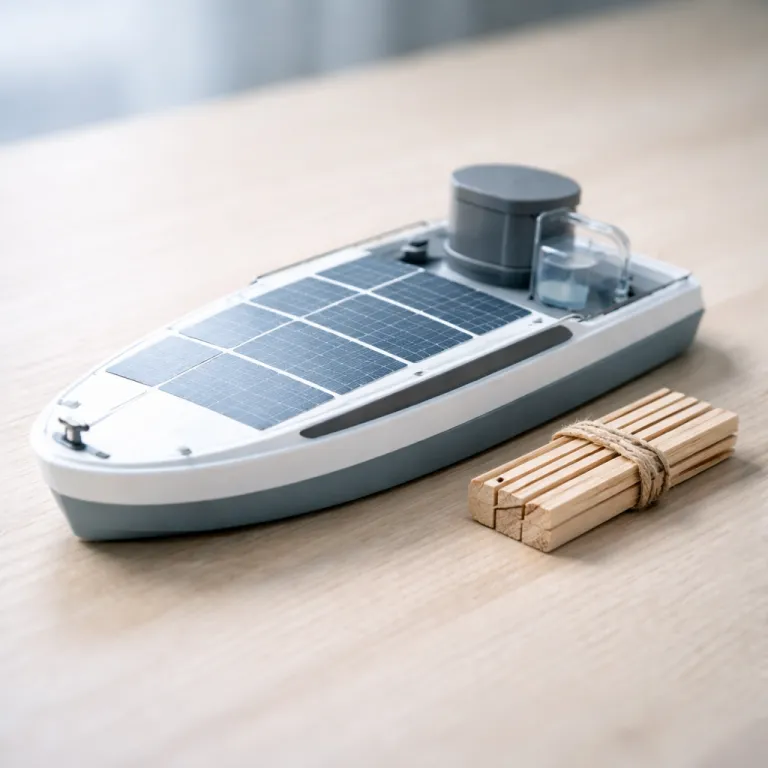
Energy is where a sustainable houseboat can outclass many land-based hotels. On a well specified boat, solar panels are not a token gesture on the roof; they are integrated into biminis, hardtops and deck structures to provide a primary source of renewable energy. As one expert summary puts it with useful clarity: “How do solar panels benefit boats? Provide renewable energy, reducing fuel use.”
High-efficiency solar energy systems now power lighting, refrigeration, ventilation and even induction hobs on many floating homes. A typical premium family houseboat might carry 2–5 kW of solar capacity paired with 10–20 kWh of lithium battery storage, enough to run LED lighting, fridges and device charging through the night; these ranges are consistent with manufacturer data sheets for modern off-grid marine systems. When a houseboat is designed around energy-efficient appliances and LED lighting, battery banks can comfortably cover overnight loads, leaving generators as rare backup rather than constant soundtrack. This shift from diesel to renewable energy is especially visible on electric boats entering hospitality, where zero-emission vessels are becoming a serious guest amenity for short excursions and silent transfers.
For families booking premium houseboats, the practical question is how to verify these claims. Ask operators for the total solar capacity in kilowatts, the size of battery storage in kilowatt hours and how often generators typically run during a three-night stay. A genuinely sustainable houseboat will provide clear data, explain its systems in plain language and often reference partnerships with renewable energy companies that helped specify the installation. As a quick checklist, look for:
- Solar array size (kW) and typical daily solar yield
- Battery bank capacity (kWh) and usable depth of discharge
- Average shore-power use per night (kWh) in normal weather
- Generator hours per day under full occupancy
- Participation in recognised environmental programmes such as Green Marine or comparable marina energy charters
One documented case study from a Northern European floating home shows how this looks in practice: a 4 kW rooftop solar array paired with 15 kWh of lithium storage recorded average generator use of under 0.3 hours per day over a summer season, with shore-power draw limited to battery top-ups after several cloudy days. When you request similar kW, kWh and generator-hour figures from hosts before booking, you turn marketing claims into measurable performance.
Water recycling, waste and the quiet art of conservation
Energy gets the headlines, but water tells you whether a sustainable houseboat is truly serious. On a well run vessel, water conservation is designed into every tap, shower head and filtration unit, turning limited tank capacity into a gentle daily reminder of responsible living. When you ask about water recycling systems, you should hear more than vague promises about being eco friendly.
Technical but guest-friendly systems now purify grey water from showers and sinks, routing it through compact water purification units before reuse for flushing or deck washing. The definition from one expert source is refreshingly direct: “What is water recycling on boats? Systems that purify and reuse onboard water.” On many modern floating homes this might involve compact greywater treatment modules similar in function to Dometic or Vetus systems, paired with low-flow fixtures that reduce consumption at the tap. For families, this means longer stays without constant refilling, and a much lower impact on fragile waterways where discharge rules are rightly strict.
Waste management is the other half of the equation, and here composting toilets are increasingly common on sustainable houseboat rentals. Properly installed composting toilets reduce black water discharge, cut pump-out frequency and align with conservation practices enforced by local regulatory bodies. Models comparable to Nature’s Head or Air Head units, for example, separate liquids and solids to control odour and speed up composting; manufacturer guidance and user reports confirm that, when maintained correctly, these systems are suitable for everyday family use. When you see clear explanations of waste systems, water conservation measures and low-impact cleaning products, and when marinas display Blue Flag–style water-quality commitments, you are looking at a houseboat where sustainability is operational, not ornamental.
Materials, design and the feel of a truly green floating home
Step back from the systems and the sustainable houseboat story becomes one of materials and architecture. Hulls built from aluminium–fibreglass composites or recycled aluminium can be lighter and more durable, which makes them more energy efficient to move and easier to maintain over time. Above the waterline, natural materials like sustainably sourced timber, cork and wool insulation help regulate temperature and provide a tactile sense of comfort that many traditional homes struggle to match.
Interior houseboat design has evolved from caravan chic to something closer to compact residential architecture. Designers now treat floating homes as full-time residences, carving out distinct living spaces for parents and children, generous storage for luggage and toys, and flexible living space that can shift from breakfast table to homework station to evening lounge. When done well, these layouts provide the same comfort as a city apartment, but with water views that change subtly with every tide and passing boat.
Brands such as Bluefield Houseboats illustrate how thoughtful design and sustainable materials can coexist with premium finishes. Their projects often integrate space-saving furniture, hidden storage solutions and large windows that frame living water without overheating the interior, thanks to shading and high-performance glazing. In northern Europe, similar principles guide the design of Scandinavian-style floating homes that use FSC-certified timber, non-toxic finishes and high R-value insulation, as documented in several national eco-building case studies. For families booking through a curated platform, these design choices translate into quieter nights, better air circulation and a sense that sustainable living on the water is not a compromise, but an upgrade.
Local sourcing, certifications and how to read the fine print
Solar and water systems are only part of what makes a sustainable houseboat stay genuinely green. The most credible operators extend their sustainable living philosophy to local sourcing, from the materials used in refits to the food and amenities placed in your galley. When a boat stay supports nearby markets, repair yards and small producers along the quay, your holiday quietly reinforces the waterfront economy you came to enjoy.
Local sourcing matters for boats for a simple reason: “Why is local sourcing important for boats? Supports local economies and reduces emissions.” Look for houseboats that highlight partnerships with local suppliers, from bakeries delivering breakfast by dinghy to marinas that employ qualified maintenance équipes trained in conservation practices. In regions where harbours fly Blue Flag or similar eco-marina awards, you can usually expect better waste handling, water-quality monitoring and guidance on low-impact excursions. These details often appear in listing descriptions, and they are as important as the number of cabins or the size of the deck when you care about low-impact travel.
Certifications are still catching up with the reality of floating hospitality, but some signals already help. Eco labels aligned with Small Luxury Hotels–style minimum sustainability standards, clear references to environmental organizations or regulatory bodies, and transparent reporting on energy use and water conservation all indicate serious intent. Some operators now reference frameworks comparable to Green Marine, Green Key or national eco-tourism schemes adapted for marinas and floating homes. When a listing explains how its systems work, how often tanks are pumped out and how guests are briefed on board etiquette, you are looking at a sustainable houseboat stay where the marketing language has been earned.
How to choose a sustainable houseboat for a premium family stay
Choosing the right sustainable houseboat for a family starts with clarifying your priorities. If energy independence matters most, focus on listings that specify solar panels, battery capacity and energy-efficient appliances, and do not hesitate to ask how often generators run at night. For parents sensitive to noise and air quality, a boat that can operate quietly on renewable energy for long stretches will transform sleep and early mornings on deck.
Space and layout come next, especially when travelling with children or another family. Study floor plans to see how living spaces are divided, where storage is located and whether there is enough living space for rainy-day board games without feeling cramped. Houseboats that provide separate cabins, generous storage solutions and flexible seating areas will feel more like floating homes than temporary cabins, especially on longer itineraries.
Finally, look beyond the vessel to the operator’s philosophy and track record. Platforms that specialise in curated, premium boat stays often vet conservation practices, local sourcing and safety standards with the same rigour as they assess design and comfort. As you compare listings, turn the details into a simple decision tool: note solar kW and battery kWh, ask whether greywater is treated, check if toilets are composting or low-flush, and look for references to marina or destination eco-certifications. Make it a habit to request specific kW, kWh and generator-hour figures from every host; when you find a listing where systems, materials, water conservation and local partnerships are explained with the same care as the wine list, you have likely found a sustainable houseboat stay worthy of your next family holiday.
FAQ
How do solar panels change the experience on a sustainable houseboat?
Solar panels reduce generator use, which means quieter nights, cleaner air and fewer fuel deliveries during your stay. On a well specified houseboat, solar energy systems can power lighting, refrigeration and device charging for most of the day. Families notice the difference most at dawn and after sunset, when the boat feels calm and the only sound is the water against the hull.
What should I ask about water recycling and conservation before booking?
Ask whether the houseboat has grey water treatment, low-flow fixtures and clear water conservation guidelines for guests. Clarify how often fresh water tanks need refilling and how wastewater is handled, especially in sensitive canals or marine reserves. Operators who can explain their systems in detail usually run more sustainable and better maintained boats.
Are composting toilets comfortable enough for a premium family stay?
Modern composting toilets are odour controlled and designed for regular family use when installed correctly. They reduce black water discharge and pump-out frequency, which is a major environmental benefit on busy waterways. If you are unsure, ask the host how long they have used the system, whether the unit is similar to well-known marine composting brands and whether they provide a short briefing on arrival.
How can I tell if a floating home really supports local communities?
Look for mentions of local suppliers, from food and wine to maintenance and guiding services, in the listing or welcome materials. Many sustainable houseboat operators highlight partnerships with nearby markets, repair yards and small producers along the waterfront. When your stay channels spending into these businesses, the environmental benefits are matched by social ones.
Do sustainable houseboats feel smaller than traditional homes?
Floating homes usually offer less floor area than traditional homes, but good houseboat design makes every square metre work harder. Built-in storage, flexible furniture and clearly defined living spaces help families feel organised rather than cramped. If you review floor plans carefully and match cabin layouts to your family’s routine, the result is often more comfortable than a standard hotel suite.