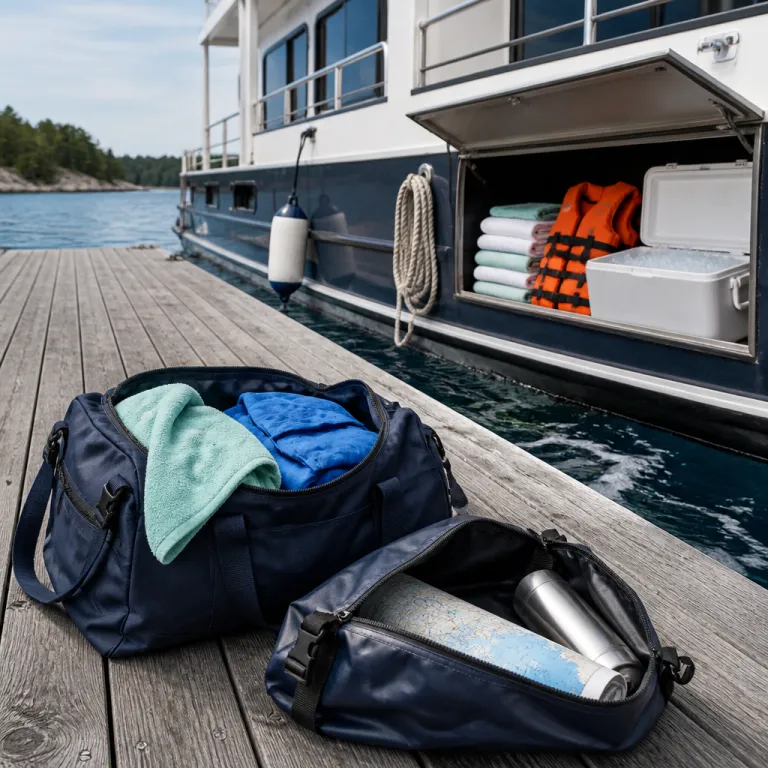
How a houseboat packing list differs from a hotel suitcase
On a floating stay, your houseboat packing list shapes the whole experience. A houseboat is compact, surrounded by water, and every misplaced object will roll, slide, or trip someone at the wrong time. Thoughtful packing for a family houseboat trip turns a beautiful lake setting into a calm, functional home rather than a cluttered storage locker.
Unlike a city hotel vacation, a houseboat vacation usually means limited power, tighter cabins, and direct exposure to wind over water. Your packing checklist must respect those constraints while still feeling indulgent enough for a premium houseboat rental with a hot tub and a well equipped galley. When you plan what to bring, think in zones ; deck, cabin, galley, and water access, then build a precise packing list for each.
Luxury houseboats on a lake or in a sheltered national park marina often provide linen, basic cookware, and sometimes a starter aid kit. They rarely provide everything a premium family expects for a multi day houseboat trip, especially if you plan fishing, swimming, or exploring a nearby park. A smart houseboat packing strategy focuses on a short list of high impact items that keep you safe, dry, and organised without overloading limited storage.
Soft sided bags are essential because a lake houseboat cabin has curved walls, narrow doors, and under berth storage. Hard cases simply do not pack well on a boat and will bruise shins or block hatches during your trip. Choose duffels that squash into lockers, then create a written list of items per person so you can be sure nothing vital stays in the car.
Water changes temperature perception, so you feel cooler on deck than the forecast suggests. That is why your houseboat packing list should prioritise layers, quick dry fabrics, and reliable sun protection over bulky cotton hoodies. When the day warms, you can peel back layers, but when wind picks up over the lake you will be grateful for a light insulated jacket and a dry change of clothes.
Families booking premium houseboat rentals on Shasta Lake, Rainy Lake, or in Voyageurs National Park often underestimate how much time they will spend outside. You will move constantly between the hot tub, the swim platform, and the upper deck, so you need footwear with grip and clothing that tolerates spray. A curated packing checklist for these water focused destinations keeps everyone comfortable from sunrise coffee to the last stargazing session of the day.
Footwear, clothing and sun protection for every houseboat trip
Decks and docks demand specific footwear, so start your houseboat packing list with shoes. Non marking, soft soled deck shoes or sandals protect the boat and give you grip on wet fiberglass, while heels and hard soles can damage surfaces and become dangerous on a moving houseboat. For each person on the trip, pack one pair of grippy deck shoes, one pair of lightweight sandals, and, if you plan to hike in a nearby park or national park, one pair of trail shoes.
Clothing should respect the way water amplifies windchill and damp, especially on a large lake such as Shasta Lake or Rainy Lake. Build outfits in layers ; a quick dry base layer, a light fleece or sweater, and a windproof shell that you can wear on deck during a cool morning or a breezy evening. Cotton stays wet and heavy, so your packing checklist should favour synthetic or merino pieces that dry fast between swims and fishing sessions.
For a long weekend houseboat vacation, plan at least two swimsuits per person so one can dry while the other is in use. Add a compact microfibre towel to each cabin list of items, because standard hotel towels pack poorly and stay damp in a small lake houseboat bathroom. When you pack for a week, double that count and include a mesh bag so wet items do not mingle with clean clothes.
Sun protection is non negotiable on reflective water, even on a cloudy day. Your houseboat packing should include broad spectrum sunscreen, wide brimmed hats, UV protective sunglasses, and light long sleeve shirts that you can wear while fishing or reading on the upper deck. For children, bring rash guards and consider sun protection swimsuits, then don forget to add lip balm with SPF to your list items.
Families often plan a Labor Day weekend on the water and underestimate late season sun, especially in open reservoirs and wide lakes. Before you finalise your packing list for a holiday houseboat rental, review a practical guide such as this Labor Day weekend on the water planning resource from Boat Stay, then adjust quantities of sunscreen, hats, and cover ups. You will use more sun protection products than on a city break because you spend longer hours on exposed decks.
Evenings on a houseboat can feel surprisingly cool once the sun drops behind the surrounding hills or forest. Pack one warm layer per person, even for a short trip, and store it in an easily accessible spot near the main salon rather than buried under other items. That way, when the temperature shifts during a late night card game on deck, you will not wake sleeping children by rummaging through cabins.
Gear, storage and power: making a compact lake houseboat work
Space discipline separates a serene houseboat stay from a chaotic one. A well edited houseboat packing list uses soft bags, collapsible crates, and clear pouches so you can see items at a glance without emptying entire lockers. For a premium family houseboat rental, assign one duffel per person and one shared gear bag for deck, fishing, and water toys.
Power on a boat is not unlimited, especially away from the marina or shore power. Many houseboats rely on generators or batteries, so your packing checklist should include at least one high capacity power bank per adult and a small multi outlet adapter for the main salon. Charge phones, cameras, and tablets while you are docked or running the engine, then unplug at night to respect both safety and noise rules.
Electronics and water do not mix, so pack dry bags or waterproof pouches for anything valuable that might end up on deck. A simple rule works ; if you would be upset to lose it overboard, it should live in a sealed bag whenever you move between levels of the boat. This applies doubly on a choppy lake or when your houseboat sleeps several children who will race between the swim platform and the hot tub.
For storage, think vertical and modular rather than sprawling. Hanging organisers on the back of cabin doors keep small items from rolling, while shallow bins under seating corral toys, books, and fishing gear. When you pack, group items by activity ; morning coffee, swimming, fishing, and shore excursions, then label each bag so everyone on the trip can find what they need without asking.
Families staying on a houseboat in an urban marina, such as the Met Park Marina base for sleeping aboard on the St Johns River in Jacksonville, face similar storage constraints. Your houseboat packing list for a city stay should still prioritise soft luggage, compact umbrellas, and a slim daypack for exploring ashore. Even when boat rentals sit in a sheltered harbour, the same rules about clutter, power, and water apply.
Before you travel, check what your specific houseboat rental includes, because some operators provide an aid kit, basic fishing tackle, or even a starter set of water bottles. If the inventory feels vague, assume you must bring your own first aid kit, headlamps, and extra water bottle capacity for each person. A precise list of items, checked off as you load the car, is the best defence against the classic don forget moment at the dock.
Overnight houseboat stay: compact packing checklist
For a single night on the water, your houseboat packing list can stay lean. Think of it as a refined overnight bag with a few boat specific additions that respect the realities of water, motion, and limited storage. You will still need to bring enough to handle a cool evening, bright sun, and the novelty of sleeping on a moving platform.
Start with clothing ; one daytime outfit, one sleep set, and a spare layer per person. Add swimwear if your lake houseboat has a hot tub or easy water access, then include a light cover up for moving between cabin and deck. Shoes should be limited to one pair of non marking deck shoes and, if you plan to step ashore in a nearby park, one pair of simple walking shoes.
Toiletries can be minimal, but do not rely on hotel style amenities. Pack travel sized essentials, any prescription medication, and a small personal aid kit with plasters, pain relief, and motion sickness tablets if anyone is sensitive to movement. A compact houseboat packing checklist for toiletries fits easily into a single pouch that you can hang in the bathroom.
For gear, an overnight houseboat trip still benefits from a headlamp or small torch, a reusable water bottle per person, and a phone charger. Bring a single dry bag for electronics and documents so you can move them quickly if rain appears or if you need to shift cabins. If you plan a short fishing session at dawn or dusk, confirm whether the houseboat rental includes basic rods or whether you must pack your own.
Food for one day and night should be simple and pre planned. Prepare a list of items for breakfast, one main meal, and snacks that do not require elaborate cooking, then pack them in stackable containers that fit a compact galley fridge. You will appreciate meals that can be served quickly if the weather changes or if children are tired after a long day on the lake.
For many families, an overnight stay is a test run before a longer houseboat vacation. Use this short trip to refine your personal packing list, noting what you used, what stayed in the bag, and what you wished you had brought. Those observations will shape a more efficient packing checklist for your next multi day adventure.
Long weekend on the water: three day packing checklist
A three day houseboat trip introduces more variables ; changing weather, multiple swims, and at least one shore excursion. Your houseboat packing list for a long weekend should expand carefully rather than explode into excess, because storage on a lake houseboat does not grow with your ambitions. Aim for versatility, repetition, and a clear system so you can find everything quickly.
Clothing for three days usually means two daytime outfits, one slightly smarter set for a marina dinner, and two sleep sets per person. Add three swimsuits for children and two for adults, because long weekends on Shasta Lake, Rainy Lake, or Voyageurs National Park often involve repeated dips from the swim platform. Pack one warm layer and one windproof shell per person, then store them in a shared deck basket so they are always within reach.
Gear expands more noticeably on a long weekend. Your packing checklist should now include a more complete aid kit with bandages, antiseptic wipes, tweezers, and any child specific medication, plus a small dry bag dedicated to this kit. Add a second reusable water bottle per adult, because time on the water dehydrates you faster than you expect, especially when you combine sun, wind, and a hot tub session.
Activity items also grow ; fishing gear, compact board games, and perhaps a small Bluetooth speaker rated for water resistance. When you pack these items, group them by activity in labelled pouches so you can bring only what you need to the upper deck or the bow. For example, a fishing bag might hold tackle, pliers, a small towel, and a spare hat, while a games bag holds cards, dice, and a notebook.
Food planning becomes more strategic over three days. Create a written list of items for each meal and snack, then shop against that list so you do not overload the fridge or cupboards with bulky packaging. Many families heading for popular houseboat rentals on large lakes use a pre trip staging area at home, laying everything out on a table and checking it against their packing list before it goes into coolers and crates.
If you are considering a more ambitious itinerary, such as a multi day route on a large reservoir, review a detailed planning guide like this resource on Lake Powell houseboat rentals, rates and routes from Boat Stay. It will help you understand how fuel stops, marinas, and remote anchorages affect what you must bring and how you should pack. Those insights translate directly to other destinations, even if your next trip is on a different lake or in another national park.
Week long houseboat vacation: extended packing checklist by zone
A week or more on a houseboat transforms it from novelty stay into genuine floating home. Your houseboat packing list must now support daily routines, school age children, and perhaps remote anchorages far from shops or marinas. The key is to think in zones ; sleep, deck, galley, and shore, then build a detailed packing checklist for each.
In the sleep zone, pack enough clothing for four days and plan to do a small hand wash midweek rather than bringing seven full outfits. Use packing cubes per person so cabins stay tidy, and include earplugs and eye masks for anyone sensitive to new sounds or early light on the water. If your houseboat sleeps more people than usual, consider a compact white noise machine or app to soften unfamiliar creaks and generator hum.
For the deck zone, your list of items should include extra towels, non breakable drinkware, a waterproof deck blanket, and a dedicated basket for sun protection products. You will apply sunscreen multiple times per day on a week long houseboat vacation, especially on reflective lakes such as Shasta Lake or Rainy Lake. Store hats, sunglasses, and cover ups in one visible spot so no one can say don forget without seeing the solution in front of them.
The galley zone demands the most planning. Create a detailed packing checklist for pantry staples, spices, and snacks that travel well, then add fresh produce and chilled items closer to departure time. Many experienced families pre chop vegetables, marinate proteins, and pre bake snacks at home, which reduces galley time and keeps rubbish volume low on the boat.
Shore and exploration gear becomes more important on a long houseboat trip, especially in destinations such as Voyageurs National Park where you may anchor near islands or trailheads. Pack a sturdy daypack, a compact picnic set, and enough reusable water bottles for everyone, then add a small rubbish bag so you can leave each park site pristine. If you plan to use local boat rentals for side trips, bring a copy of your main aid kit and sun protection in a separate pouch so you are never without essentials.
Finally, review your entire houseboat packing list against the specific inventory of your houseboat rental. Some operators on Shasta Lake, Rainy Lake, or other major lakes include kayaks, fishing gear, or upgraded hot tub facilities, which may allow you to remove duplicate items from your own packing. A calm, methodical review the day before departure will save you from last minute repacking in the car park and ensure your family steps aboard ready to enjoy every day of the trip.
Key figures for planning a safe and comfortable houseboat stay
- According to the United States Coast Guard, around 75 percent of recreational boating fatalities involve drowning, and 85 percent of those victims were not wearing a life jacket ; this underlines why families should confirm life jacket provision with every houseboat rental and still pack child specific vests that fit correctly.
- Data from the National Park Service show that Voyageurs National Park receives more than 200 000 recreational visits annually, with a significant share arriving by boat, which means houseboat guests should book both mooring permits and boat rentals early during peak season to secure preferred dates.
- Studies published by the Centers for Disease Control and Prevention indicate that water and wind can increase perceived sun exposure, contributing to high rates of sunburn during lake based vacations, so travellers should pack more sun protection products than they would for a similar length city trip.
- Consumer surveys from the Outdoor Industry Association report that families typically underestimate their hydration needs during water based activities by 30 to 50 percent, reinforcing the need to pack at least one large reusable water bottle per person and to include extra capacity on any extended houseboat trip.
FAQ about what to pack for a houseboat stay
What luggage is best for a houseboat trip ?
Soft sided duffel bags are best for a houseboat trip because they compress into small lockers and under berth spaces. Hard suitcases are difficult to store in compact cabins and can damage woodwork or block hatches. Choose medium sized bags rather than oversized ones so each person can manage their own packing.
How much clothing should I pack for a week on a houseboat ?
For a week long houseboat vacation, pack four days of mix and match outfits and plan to hand wash a few items midweek. Include at least two swimsuits per adult and three per child, plus one warm layer and one windproof shell per person. This approach keeps your houseboat packing list efficient while still covering changing weather and activities.
Do I need to bring my own life jackets and aid kit ?
Most professional houseboat rentals provide standard life jackets that meet local regulations, but sizes and comfort levels vary. Families with children or non swimmers should bring their own properly fitted vests for better comfort and safety. You should always pack a personal first aid kit, even if the boat includes a basic aid kit, so you have familiar medication and supplies.
What should I pack for power and charging on a houseboat ?
Because power can be limited away from the dock, pack at least one high capacity power bank per adult and a small multi outlet adapter. Charge devices while the generator runs or when you are on shore power, then unplug overnight. Avoid bringing high draw appliances such as hairdryers unless your rental company confirms the electrical system can handle them.
What are the most commonly forgotten items on a houseboat packing list ?
Travellers often forget extra sun protection, reusable water bottles, motion sickness remedies, and small torches or headlamps. Other frequently missed items include spare charging cables, waterproof phone pouches, and enough snacks for children between meals. Creating a written packing checklist and checking it as you load the car is the best way to avoid these don forget moments.