How UK canal waterway investment 2026 reshapes luxury boat stays
UK canal waterway investment 2026 is no abstract budget line for boat hotel guests; it is a tangible upgrade to the way you move, moor, and sleep on the water. Across the inland waterways, the Canal & River Trust and the UK Government are directing fresh funding into lock gates, towpaths, and core infrastructure so that the historic canal network can carry more leisure marine traffic with fewer interruptions. For travellers booking premium cabins on converted barges or design-led houseboats, this means the canal and its connected rivers start to feel less fragile and more like a reliable, slow-travel network.
The headline figure is a £10 million package of government funding for waterways maintenance, announced by Defra in July 2023, layered on top of a separate £6.5 million allocation confirmed in a 2022 Canal & River Trust funding update that extends canal asset lifespan and reduces long-term repair costs.1 According to Canal & River Trust network statistics and Defra waterways briefings, that money flows into a dense web of canals and rivers that stretches for more than 3,200 kilometres, from the Grand Union Canal in the Midlands to the Great Ouse and the quieter reaches of the canal–river corridors near Bedford.2 For guests, the business case is simple: better funded infrastructure and climate-resilient engineering translate into fewer emergency stoppages, more predictable itineraries, and a smoother experience when your floating hotel threads through a narrow lock at dawn.
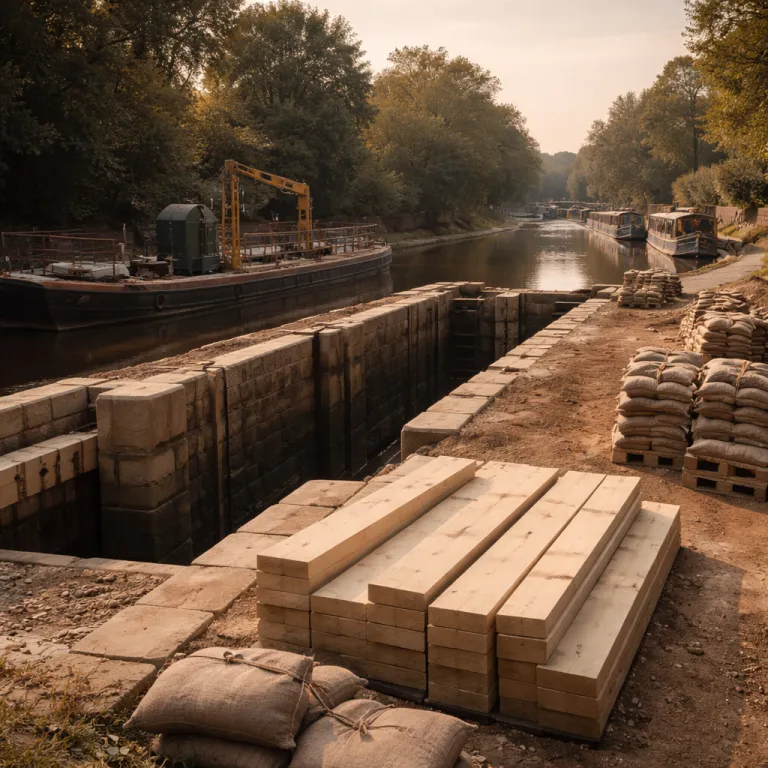
Behind the scenes, engineers and specialist teams are replacing 60- to 70-year-old machinery with a new £750,000 CNC machine at Bradley Workshop in the West Midlands, described by the Canal & River Trust in its 2023 engineering press release as the largest of its kind in Britain for this type of work.3 That single project will lift annual lock gate production from about 150 to around 190 leaves, reinforcing the resilience of the canal network and helping the Trust keep pace with wear on heavily used canals and rivers. “It means we can respond faster when gates reach the end of their life, which boaters will notice as fewer long closures,” one senior engineer at Bradley explained when the machine was commissioned. For a luxury booking platform curating high-end boat hotels, this level of investment and visible government backing signals that Britain’s waterways tourism is not a niche experiment but a supported, UK-wide priority for rural affairs, recreation, and water-based hospitality.
From broken paddles to better moorings: what travellers will notice on the water
For guests, the 2026 inland waterway funding push shows up first in reliability. Canal & River Trust operational reports for 2022–23 note that engineers have already repaired 323 broken paddles, cleared 1,270 trees, and mown more than 15,000 kilometres of banks to keep the waterway corridors open.4 Those numbers matter when your boat hotel is scheduled to glide through a flight of locks on the Grand Union or along a rural stretch of the Great Ouse, because each working paddle and cleared tree means one less delay between you and your next mooring. The same funding also targets water and waste points, with 78 percent of facilities now fixed on the first visit and a new 24-hour response target that directly benefits guests who expect reliable water, pump-out, and shore power when they arrive.
Lock gate upgrades are only part of the story, because the wider programme also covers embankment repairs, culvert maintenance, and reservoir upgrades that protect the canal–river system from climate stress. These climate-resilient works reduce the risk of breaches and low water levels, which in turn stabilise itineraries for high-end floating hotels that operate across multiple waterways in a single week. When you book a premium cabin through a specialist platform, you are effectively buying into this network-wide resilience, trusting that the Canal & River Trust and its partners have done the quiet engineering that keeps your route open.
Policy shifts matter too, and the independent Commission on Boat Licensing has issued 36 recommendations to simplify the system for both private skippers and commercial operators running boat hotels, as summarised in its 2023 final report.5 A clearer licensing framework strengthens trust between operators, the Canal & River Trust, and the UK Government, making it easier to plan long-term investments in new vessels and higher-spec interiors. “If I know the licensing rules are stable for the next decade, I can justify fitting out cabins to a much higher standard,” a Midlands-based boat hotel owner told local media when the recommendations were published. For digital nomads considering working from a floating suite, these changes combine with improved connectivity and facilities, a trend explored in depth in our guide to working from the water on floating hotels, where reliable infrastructure is as critical as a good desk and a stable Wi‑Fi signal.
Milton Keynes to Bedford: a test case for next generation canal tourism
One of the most closely watched strands of UK canal waterway investment 2026 is the emerging Bedford–Milton Keynes Waterway Park vision linking Milton Keynes to Bedford along the Great Ouse corridor. This Bedford–Milton arc, often framed as a future linear waterway park for both residents and visitors, illustrates how infrastructure, climate resilience, and leisure marine demand intersect in a single strategic project. For luxury boat hotels, a completed Milton Keynes to Bedford route would open a fresh canvas of itineraries that blend urban energy with quiet rural reaches, all within a tightly managed canal and river network.
In practice, that means new or restored stretches of canal, upgraded bridges, and carefully engineered junctions where canals meet rivers, each backed by a detailed business case that weighs tourism revenue against construction cost and environmental impact. The Canal & River Trust works with local authorities, environmental agencies, and community groups to ensure that any new waterway infrastructure respects habitats while still offering moorings, shore power, and safe towpath access for guests stepping off a boat hotel. For travellers, the appeal lies in being able to cruise from Milton Keynes’ modern waterfronts into Bedford’s historic core without worrying about whether the next lock or aqueduct will be out of service.
Across Britain, similar projects are supported by annual government funding of more than £50 million for navigation authorities and related bodies, as set out in Defra’s recent spending plans, underlining that inland waterways are treated as critical infrastructure rather than nostalgic curiosities.6 As one internal guidance note from the Canal & River Trust puts it, “Why is canal maintenance important? Ensures safety and preserves heritage.” For readers planning a high-end canal stay, it is worth exploring how operators engage with these upgrades, from adopting greener systems such as solar panels and water recycling, covered in our feature on what makes a boat stay truly sustainable, to partnering with the Trust on routes that showcase the best maintained stretches of Britain’s waterways.
How infrastructure upgrades elevate curated canal hotel experiences
For a platform like boat-stay.com, which curates premium cabins on canal boats and river barges worldwide, the current wave of UK canal waterway investment is a signal to lean into Britain as a core destination. The combination of new lock gate capacity, climate-resilient embankments, and faster responses to water facility failures creates a more dependable backdrop for high-value itineraries on canals and rivers. When the underlying infrastructure is strong, curators can focus on selecting vessels with refined service, thoughtful design, and a genuine connection to waterway heritage rather than worrying about last-minute route changes.
Guests feel this shift in subtle ways, from smoother transits through busy junctions on the Grand Union to quieter nights at moorings where towpaths are well maintained and lighting is discreet but effective. A resilient canal network also supports more ambitious themed journeys, such as multi-night routes that trace the industrial history of Britain’s waterways or follow the course of the Great Ouse through changing landscapes. For travellers used to ocean cruising, our feature on elevating your luxury yacht experience offers a useful contrast, showing how inland waterways deliver intimacy and narrative where open-sea itineraries offer scale.
Looking ahead, the most interesting opportunities sit where government funding, Canal & River Trust expertise, and private investment in boat hotels align around shared goals of safety, heritage, and guest experience. As climate pressures intensify, projects that harden infrastructure while enhancing the character of canals and rivers will define which routes become must-book journeys for discerning travellers. For solo explorers in particular, the upgraded canal–river corridors of Britain offer something rare: a slow, water-level way to cross a country where every lock, bridge, and mooring has been deliberately prepared for your arrival.
Further reading
Canal & River Trust; UK Government Department for Environment, Food & Rural Affairs; Inland Waterways Association; Commission on Boat Licensing final report; Bedford & Milton Keynes Waterway Park project materials.