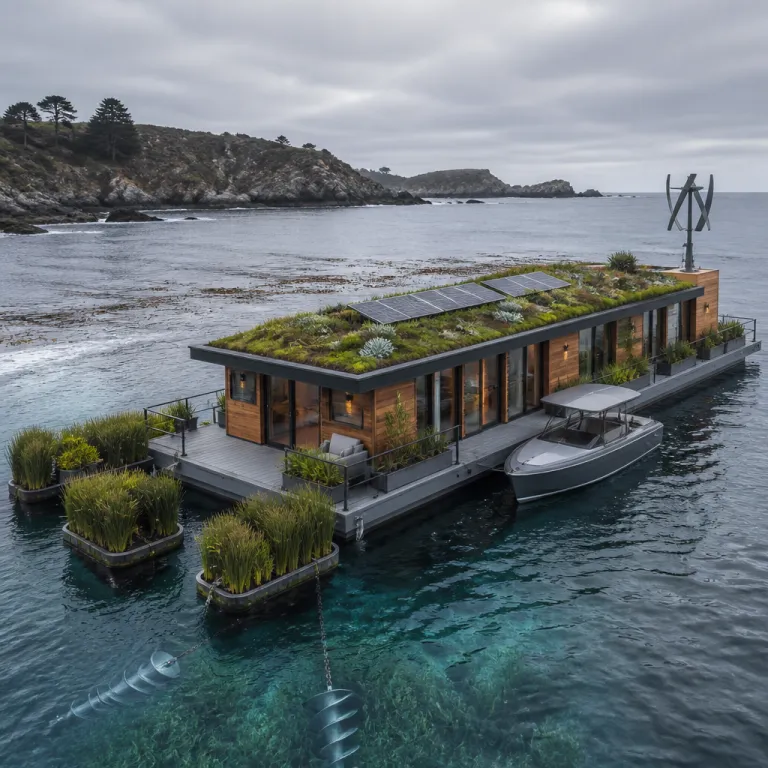
Reading the new language of floating hotel eco certification green
Floating hospitality has moved from novelty to serious hotel category, and with it comes a dense forest of green labels. For travelers who care about sustainability and want a genuinely eco friendly stay on the water, the phrase floating hotel eco certification green now appears in marketing copy almost as often as the room size. The challenge is separating a truly sustainable eco hotel from a polished brochure that talks about sustainability but quietly ignores waste, energy and local ecosystems.
Eco-certification for hotels is simple in definition yet complex in practice ; a certification is an independent verification that a property meets defined environmental standards. As one industry explainer puts it, “A certification verifying a hotel's adherence to environmental standards.”, and that applies just as much to a floating eco lodge moored off an island as to a city view hotel. For floating hotels, these certifications assess how the management handles waste management on board, how much energy is saved through solar panels or efficient systems, and how the hotel interacts with marine life and nearby trees on the shore.
For guests booking a green hotel on the water, the stakes are higher than for land based eco hotels because every mismanaged litre of fuel or food waste can flow directly into fragile marine habitats. That is why eco certifications for floating hotels now look beyond basic recycling and ask detailed questions about environmental impact, sustainable practices and long term sustainability planning. When you see floating hotel eco certification green claims on a booking page, you should expect evidence of real sustainable tourism measures, not just a towel reuse card and a vague promise to support local communities.
The certification landscape: from Green Key to EU Ecolabel on the water
Several heavyweight certifiers now shape the floating hotel eco certification green landscape, and understanding their scope helps you judge which logos to trust. In Europe, the EU Ecolabel applies to tourist accommodation, including hotels that float on pontoons or HDPE platforms, and its criteria cover energy, water, waste and overall environmental performance. EarthCheck and Green Key Global extend that scrutiny worldwide, with Green Key certification already awarded to thousands of hotels that commit to measurable sustainability improvements.
Green Key is particularly relevant for eco hotels that operate in sensitive coastal tourism zones, because its green certification framework looks at energy efficiency, food waste reduction, and eco friendly cleaning products. Data from Green Key Global show that there are now thousands of hotels with Green Key certification worldwide, which means you can compare a floating eco lodge with a land based eco hotel using the same sustainability language. EU Ecolabel, by contrast, is rooted in European environmental law and demands strong waste management systems, careful use of energy and water, and clear information for guests about sustainable practices.
For floating platforms themselves, new materials matter as much as hotel operations, and that is where modular HDPE structures come in. These platforms are fully recyclable, can be installed with minimal seabed disruption, and are reshaping resort waterfronts in ways that align with serious eco certification ; if you want to understand this hardware side, look for properties that explain their use of modular and green HDPE platforms. When a hotel combines a respected key certification such as Green Key or EU Ecolabel with low impact floating technology, you are looking at a stronger candidate for authentic sustainable tourism rather than a marketing exercise.
What eco labels actually measure on a floating hotel
Every serious eco-certification for hotels, whether on land or water, is built on audits, checklists and third party verification rather than self declaration. For floating hotel eco certification green programs, auditors examine how the hotel manages energy, water, waste and materials, and how those systems interact with the surrounding marine and coastal environment. Methods typically include on site inspections, sustainability reporting frameworks and regular reviews that push hotels toward more sustainable practices over time.
Energy is usually the first pillar, and on a floating eco hotel you should expect to see solar panels on the roof, efficient LED lighting, and sometimes hybrid or electric propulsion for vessels that move between moorings. Water systems are another focus, with many eco lodges on lakes or bays using filtration, low flow fixtures and sometimes water recycling to reduce pressure on local supplies. Food and food waste management complete the operational triangle, as eco friendly hotels are encouraged to source food from local producers, minimise food waste through careful menu planning, and compost or responsibly process organic waste instead of sending it all to landfill.
Beyond operations, strong certifications look at environmental impact on biodiversity, especially when a hotel floats near a national park, mangrove forest or coral reef. Criteria can include how the hotel protects nearby trees and seagrass, how it educates guests about climate change and sustainable tourism, and how it supports local communities through fair employment and responsible tourism partnerships. For a deeper dive into how solar panels, water recycling and local food sourcing work together on the water, it is worth reading about what makes a boat stay truly green before you commit to a booking.
Spotting greenwashing in floating hospitality marketing
Not every floating hotel eco certification green claim stands up to scrutiny, and the marketing language around sustainability can be slippery. A common red flag is a hotel that calls itself a green hotel or eco lodge without naming any certification, audit process or measurable sustainability targets. Another warning sign is when a property talks at length about planting trees or supporting an island community but says almost nothing about waste management, energy use or food waste reduction on board.
Look closely at how a hotel describes its interaction with the local environment, especially in high value destinations such as Costa Rica or the Osa Peninsula, where sustainable tourism is both a selling point and a responsibility. A genuinely eco friendly floating hotel in Costa Rica, for example, will explain how it treats greywater, how it avoids anchoring damage near a national park, and how it manages fuel and waste to protect marine life. By contrast, a property that leans heavily on vague environmental language, stock photos of lush costa landscapes and a single recycling bin for guests is probably using sustainability as décor rather than as a core management principle.
Another test is transparency about trade offs, because even the best friendly hotels on the water cannot be impact free in the face of climate change. When a hotel openly shares data about its energy mix, its remaining emissions and its roadmap for more sustainable practices, you are more likely to be reading an honest sustainability narrative. To see how some operators balance luxury amenities with credible green initiatives, including playful features such as a floating golf green that still respects the water, explore how a floating golf green can elevate a boat hotel stay without undermining environmental goals.
How to evaluate a floating hotel’s green credentials before you book
When you are ready to book, treat floating hotel eco certification green claims as the start of your research, not the end. Begin with the basics and check whether the hotel appears in the official directories of EU Ecolabel, Green Key Global or EarthCheck, because these lists confirm that a certification is current and valid. Guidance from certifiers is clear on this point ; “Check official certification bodies' directories or websites.” is the most reliable way to verify that a hotel’s eco label is genuine.
Once you have confirmed the certification, read how the hotel explains its sustainability work in plain language, not just in technical reports. Look for details about energy systems such as solar panels or efficient generators, water saving fixtures, and concrete steps to reduce food waste and single use plastics. Pay attention to how the hotel describes its relationship with the local community, whether that is a fishing village on a sheltered bay, a marina near a national park, or a remote island in Costa Rica that depends on responsible tourism for long term prosperity.
Finally, cross check guest reviews for comments about environmental performance, because travelers increasingly mention sustainability alongside service and design when they rate hotels. Guests who care about eco friendly stays will often note whether recycling bins are actually used, whether staff explain sustainable practices, and whether the hotel feels aligned with the surrounding environmental and cultural context. When certification, transparent communication and lived guest experience all point in the same green direction, you can book your floating eco hotel with confidence that its sustainability story is anchored in reality rather than marketing.
Why floating eco hotels matter for the future of sustainable tourism
Floating hotel eco certification green standards are not just a niche concern for a handful of design led properties ; they are a test case for how tourism can expand without overrunning coastlines. As more travelers seek hotels that combine high level hospitality with credible sustainability, floating eco hotels offer a way to add capacity without pouring more concrete along fragile shores. Properly designed platforms can be relocated, recycled and adapted, which gives destinations flexibility as sea levels rise and climate change reshapes coastlines.
In regions such as Costa Rica, where sustainable tourism is woven into national branding, floating eco lodges and friendly hotels on calm bays can relieve pressure on crowded beaches and inland eco lodges near famous national parks. When these hotels adopt strong green certification schemes, invest in efficient energy systems and manage waste responsibly, they become part of a broader environmental strategy rather than an isolated luxury project. The same logic applies in archipelagos and lake districts worldwide, where island communities can benefit from tourism revenue without sacrificing water quality or local fisheries.
For business leisure travelers extending a work trip, choosing a certified eco hotel on the water sends a signal to the industry that sustainability matters as much as thread count and Wi Fi speed. Every booking that favours a hotel with verified sustainable practices over a similar property with only vague green claims nudges the market toward better standards. Over time, that demand will push more hotels, marinas and tourism boards to align their management decisions with rigorous environmental criteria, making the entire hospitality sector more resilient and genuinely eco friendly.
FAQ
What is an eco-certification for a floating hotel ?
An eco-certification for a floating hotel is a formal recognition from an independent body that the hotel meets defined environmental standards for energy, water, waste and ecosystem protection. These certifications rely on audits, checklists and periodic reviews rather than self reporting by the hotel. For travelers, they provide a quick way to identify hotels that have invested in measurable sustainability rather than relying on unverified green marketing language.
Why are eco-certifications important for floating hotels ?
Eco-certifications are especially important for floating hotels because any mismanaged waste, fuel or wastewater can directly affect rivers, lakes and coastal ecosystems. Certified hotels must show that they handle waste management, energy use and water systems in ways that minimise harm to marine life and nearby communities. This oversight helps ensure that the growth of floating hospitality supports sustainable tourism instead of adding new environmental pressures.
How can I verify a floating hotel’s eco-certification ?
You can verify a floating hotel’s eco-certification by checking the official directories of recognised certifiers such as EU Ecolabel, Green Key Global or EarthCheck. These websites list certified hotels by name and location, and they indicate whether a certification is current or has expired. If a hotel claims a certification that you cannot find in an official directory, contact the certifier or the hotel directly for clarification before booking.
Which eco labels are most relevant for floating hotels ?
For floating hotels, the most relevant eco labels are those that cover both operational sustainability and broader environmental impact, such as EU Ecolabel, Green Key and EarthCheck. These programs assess energy efficiency, water conservation, waste management and ecosystem protection, which are all critical on the water. Local or regional certifications can also be meaningful when they are backed by transparent criteria and independent audits.
Do eco-certified floating hotels cost more to stay in ?
Eco-certified floating hotels sometimes have higher nightly rates because they invest in efficient technology, staff training and ongoing audits, but the price difference is not universal. In many markets, competition between certified hotels keeps prices comparable to conventional properties of similar quality. For travelers who prioritise sustainability, the added value of lower environmental impact and more responsible tourism often justifies any modest premium.
Sources
EarthCheck – Eco-certified hotels explained ; what the labels mean.
Green Key Global – Certification framework and global hotel statistics.
EU Ecolabel – Tourist accommodation criteria and certified accommodation directory.