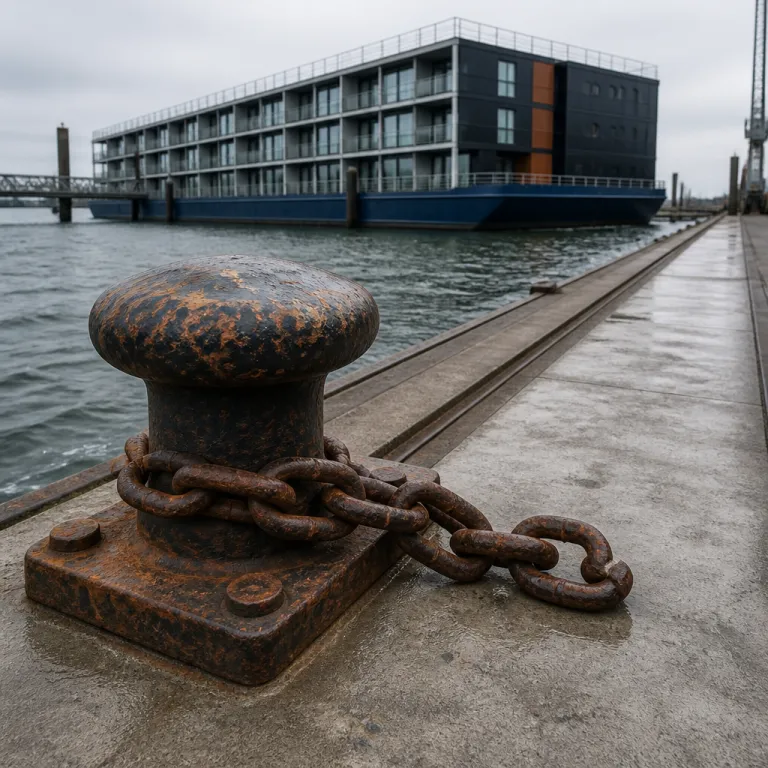
Floating hotel weather storm safety for premium family stays
Floating hotel weather storm safety starts long before dark clouds gather offshore. Luxury boat hotels work with naval architects, marine engineers and professional weather monitoring services to map every risk in the surrounding coastal area and to design structures that remain safe even when the water turns rough. For a premium family stay, that preparation matters more than any pillow menu or champagne welcome.
Behind the scenes, floating hotel operators treat every approaching storm as a managed event rather than a surprise. They follow a continuous timeline of pre storm preparation, during storm monitoring and post storm assessment so that each boat remains secure at its berth and every guest understands what will happen if conditions deteriorate. This disciplined approach to severe weather is what allows high end floating hotels to keep operating through hurricane season while still protecting guests from damage and disruption.
For parents, the key question is simple and practical. Will my family be safe on the water if a coastal storm or full hurricane hits while we sleep in a cabin rather than a land based suite? The answer depends on how well the property has invested in its anchoring system, its emergency management plan and its ability to follow instructions from local authorities when a warning is issued, as highlighted in National Weather Service coastal storm preparedness guidance and National Hurricane Center tropical cyclone safety resources.
Mooring systems, docks and the engineering behind stability
The calm you feel on a floating hotel during rough weather is engineered, not accidental. Most luxury boat hotels combine fixed docks, floating docks and sheltered harbors so that the hull can move with changing water level while the gangways and access points remain stable for guests. The goal is to let the structure ride the waves while the connection to land feels as solid as any city pavement.
At the core of floating hotel storm resilience sits the anchoring system. Some vessels use permanent moorings drilled deep below the water, while others rely on advanced anchoring systems with flexible mooring lines that absorb shock when hurricane conditions or a strong storm surge push against the hull. Marine engineers increasingly use lightweight composites and optimized hull designs to reduce motion, a trend highlighted by specialist platforms that track efficient smart boat design for hospitality projects and by case studies in journals such as the Journal of Marine Science and Engineering, which has published analyses of floating breakwaters and mooring layouts designed to withstand wave heights of 2 to 3 meters and line tensions exceeding 200 kilonewtons.
Families often worry about the difference between a floating dock and traditional fixed docks during hurricanes. Floating docks rise and fall with level changes in the water, which helps keep access ramps usable even when a coastal storm pushes the tide unusually high, while fixed docks can be overtopped or damaged if the storm surge exceeds their design height. When you read about new seasonal openings on the water, such as the floating hotels opening their doors this season highlighted by curated guides, look closely at how each property describes its mooring, dock layout and exposure to open seas, including whether its cleats, bollards and fender systems are rated for the high loads expected in a direct hit.
How sheltered locations and harbor design reduce storm exposure
Location is the quiet hero of floating hotel weather storm safety. A boat moored in a narrow, well protected harbor with high breakwaters will experience very different hurricane conditions from one tied to an exposed pier facing the open ocean. For a family stay, that difference translates directly into how much motion you feel in your cabin when the wind starts to rise.
Many of the most reliable floating hotels choose inner basins, river mouths or industrial style docks that already handle commercial marine traffic. These areas usually benefit from established emergency management plans, clear hurricane watch procedures and direct links to local harbor masters who coordinate responses when a warning is issued for severe weather. When a coastal city approves a new large scale floating hotel project in a central harbor, it typically does so only after marine engineers demonstrate that the anchoring system, dock layout and evacuation routes can handle both routine storms and rare hurricanes, following design criteria similar to those in American Society of Civil Engineers coastal construction standards, which often assume design wind speeds above 110 miles per hour and storm surge levels several feet above typical high tide.
One example is the type of urban floating hotel project recently greenlighted in major North American harbors, where planners insist on robust floating docks, redundant moorings and clear separation between guest areas and working commercial piers. These designs keep guest circulation routes safe even when water level changes rapidly during a storm surge or when a storm passed but residual swell continues to move the hull. When you compare hotels online, pay attention to aerial photos and harbor maps, because a sheltered corner berth protected by breakwaters or natural headlands can be as valuable as any five star service during hurricane season.
Guest experience in rough weather, from motion to amenities
On a well designed floating hotel, a passing storm feels more like a firm train ride than a chaotic boat trip. The hull may move gently as the water responds to wind, but stabilizing fins, careful weight distribution and the anchoring system work together to prevent the kind of sharp rolling that causes seasickness. For most families, the experience is closer to staying in a waterfront hotel with a subtle sway than to crossing an ocean on a small boat.
Luxury operators plan their guest experience around these realities of weather. When a hurricane watch or coastal storm advisory appears on the NOAA weather feed, the front office and marine équipe coordinate to adjust restaurant hours, kids club activities and spa schedules so that guests can stay indoors and still feel that service remains attentive and calm. Many properties keep a dedicated weather radio at reception and in the bridge area, allowing staff to monitor every warning issued and to share clear safety tips with guests without causing unnecessary alarm, in line with National Weather Service recommendations on all hazards radios and National Hurricane Center guidance on lead times for tropical cyclone warnings.
Parents should still prepare for the possibility of stronger motion if a storm surge coincides with high tide or if level changes in the harbor create unusual currents around the docks. Simple measures help, such as choosing midship cabins where movement is reduced, packing motion sickness remedies for sensitive family members and asking staff where the most secure internal lounges are located during severe weather. When the storm passed and the water settles, many guests report that the shared experience of riding out the hours hurricane together becomes a memorable part of the stay rather than a negative episode.
Policies, insurance and what happens when a hurricane threatens
Behind every calm front desk during a storm lies a thick folder of procedures. Floating hotel weather storm safety policies usually start with clear triggers tied to official NOAA weather alerts, such as when a hurricane watch becomes a full warning issued for the local area. At that point, management must decide whether to continue normal operations, modify services or initiate partial evacuation depending on forecast storm surge and expected damage risk.
From a guest perspective, the most relevant questions involve cancellation rules and travel insurance. Many luxury boat hotels treat named hurricanes and extreme coastal storm events as force majeure, allowing date changes or credits when emergency management authorities restrict access to the docks or order evacuations, while others require guests to rely on their own insurance for non refundable stays. Before you book, ask explicitly how the property handles reservations if hurricane conditions are expected during your travel window and whether any fees apply once a warning is issued.
Operationally, staff will follow instructions from local authorities and harbor masters, which may include securing loose furniture on the floating dock, checking all lines on the floating docks and verifying that every dock cleat and bollard is ready for high load. Some properties temporarily suspend external boat transfers or water based excursions, focusing instead on indoor service and clear communication with guests about the timeline until the storm passed. When you read policy pages, look for language about structural design for stability, reinforced materials and adaptive design, because these details show that the hotel has invested in more than marketing when it comes to weather and damage prevention.
What to ask before booking a floating hotel in hurricane season
Choosing a floating hotel for a family holiday during hurricane season is not reckless, but it does require sharper questions. Start with the basics of floating hotel weather storm safety by asking where exactly the boat is moored, what type of docks serve the property and how sheltered the basin is from open water. A precise answer that mentions fixed docks, floating docks and nearby breakwaters is more reassuring than vague references to a picturesque marina.
Next, ask about the anchoring system and emergency management plan in language that any good general manager should understand. You want to hear that the hotel uses advanced anchoring systems and flexible mooring lines, that staff train regularly on evacuation routes and that they coordinate with marine construction firms, meteorological agencies and local authorities when severe weather threatens. A serious property will also mention real time weather monitoring tools, such as dedicated weather radio units and professional NOAA weather feeds, rather than relying only on consumer apps.
Finally, clarify how the hotel communicates safety tips and operational changes to guests during a storm. Do they provide written guidance in each cabin about what to do if hurricane conditions develop overnight, where to assemble in an emergency and how to follow instructions from crew and local responders? For deeper context on how waterside hospitality has evolved to handle tides, locks and storms, it is worth reading specialist harbor guides that trace the history of canal side hospitality and explain why some mooring locations are inherently more secure than others, often citing National Hurricane Center climatology to show how frequently particular coastal regions experience named storms.
How operators manage storms, tides and long term resilience
The most trustworthy floating hotels treat every storm as both a test and a learning opportunity. After each significant weather event, marine engineers and hotel managers walk the docks together to inspect lines, check for minor damage and review how the anchoring system responded to level changes in the water. This post storm assessment feeds directly into maintenance plans and future design upgrades.
Industry surveys and conference presentations suggest that a large share of modern floating hotels now use advanced anchoring systems, reflecting a sector wide focus on resilience and guest safety. Many properties also invest in sustainable materials and modular floating structures that can be adjusted as climate patterns shift, allowing them to maintain service even as average annual storms affecting coastal areas remain high in number. These adaptive designs help ensure that a premium family stay on the water can remain both comfortable and secure for decades to come.
Guests rarely see the full scope of this work, but they benefit from it every time a coastal storm brushes past without major disruption. As one standard answer from marine safety guidance puts it with useful clarity for travelers: “They use advanced anchoring systems and flexible mooring lines.” “Yes, they are designed with reinforced materials to withstand harsh conditions.” “Yes, comprehensive evacuation plans are in place for guest safety.” When you choose a floating hotel that takes this level of preparation seriously, you are not just booking a room on a boat; you are buying into a carefully engineered safety culture.
Key figures on floating hotel storms and safety
- Average annual storms affecting U.S. coastal areas reach roughly 10 to 12 named systems in the Atlantic basin according to National Hurricane Center climatology, which means most established floating hotels plan for multiple significant weather episodes during every operating year.
- Industry discussions at marine hospitality conferences indicate that a growing majority of new build floating hotels now specify advanced anchoring systems, showing that robust moorings have become a standard expectation rather than a niche upgrade.
- Weather management programmes in quality floating hotels typically follow a three stage cycle of pre storm preparation, during storm monitoring and post storm assessment, ensuring that every major event feeds into long term safety improvements.
- Specialist weather monitoring services provide real time alerts that allow operators to adjust service hours several hours before hurricane force winds arrive, reducing last minute disruption for families on board, in line with National Weather Service lead time targets for tropical cyclone warnings.
FAQ about floating hotel weather storm safety
How do floating hotels stay stable during storms?
Floating hotels stay stable during storms by combining advanced anchoring systems, flexible mooring lines and carefully balanced hull designs that allow controlled movement without sharp rolling. Many properties also choose sheltered harbors and robust docks so that the connection to land remains secure even when water level changes rapidly. This combination of engineering and location keeps guest areas calm while the structure rides out the storm.
Are floating hotels safe during rough weather?
Well designed floating hotels are safe during rough weather because they are built with reinforced materials and engineered specifically for marine conditions. Operators work with marine engineers and meteorological services to plan for hurricanes, coastal storms and severe weather, including clear emergency management procedures. For guests, this means that a stay on the water can remain as safe as a stay in many land based hotels, provided you choose reputable properties.
Do floating hotels have evacuation plans for severe weather?
Reputable floating hotels maintain comprehensive evacuation plans that align with local authority requirements and harbor master guidance. These plans cover routes from cabins to muster points on the docks, transfers to secure onshore shelters and communication protocols when a warning is issued. Guests should feel comfortable asking staff to explain these procedures in simple terms before or during their stay.
What should families check before booking a floating hotel in hurricane season?
Families should check the hotel’s location within the harbor, its storm related cancellation policy and its communication practices during severe weather. It is wise to ask whether the property uses advanced anchoring systems, how it monitors NOAA weather alerts and how it shares safety tips with guests when hurricane conditions are possible. Travel insurance that covers weather related disruption adds an extra layer of financial protection.
How does a floating dock differ from fixed docks during storms?
A floating dock rises and falls with the water, which helps maintain safe access when storm surge or high tides cause sudden level changes, while fixed docks stay at one height and can be overtopped or damaged. For floating hotels, using floating docks often improves guest safety and comfort during storms because gangways remain at workable angles. Many premium properties combine floating docks for guest access with stronger fixed structures for heavy service equipment and emergency vessels.