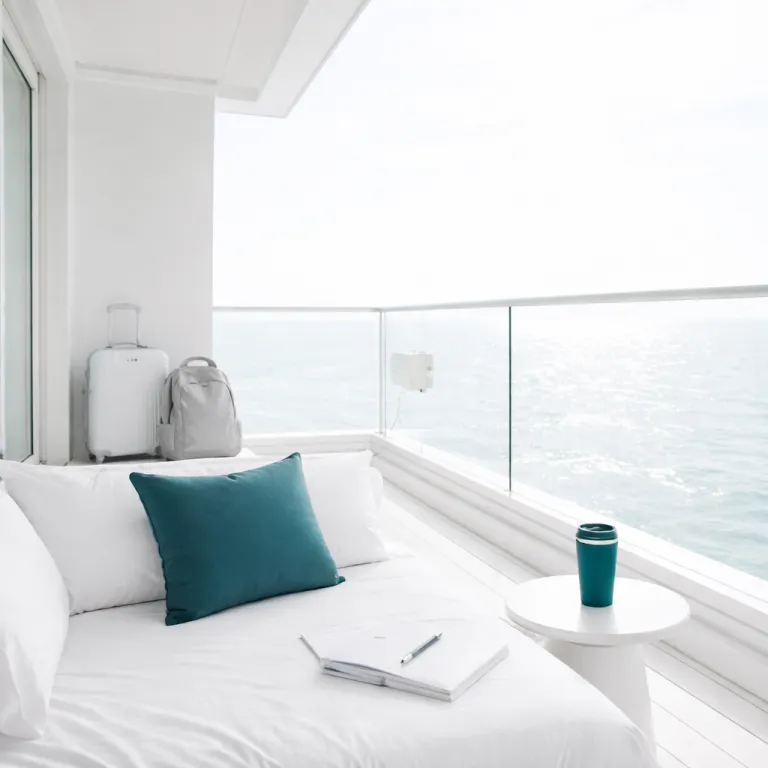
The quiet revolution of the digital nomad floating hotel
Remote workers are quietly trading city skylines for the soft slap of water against a hull. A well designed digital nomad floating hotel turns the sea or a canal into a long stay address where work, travel and rest share the same compact footprint. For people used to co working spaces and anonymous towers, this kind of floating hotel offers a more tactile experience, with every night shaped by tide, light and harbour life.
The appeal is not a gimmick; it is a shift in how digital nomads think about time and place. When your hotel literally floats, the environment outside your window changes subtly through the days, even if your work schedule stays constant. You start to measure years of your career not only in projects and clients, but in the harbours, marinas and river bends where you opened your laptop and watched friends join you for a sunset drink after a long day of work.
One of the most ambitious examples is the rotating floating hotel planned off the Doha waterfront in Qatar. Designed by Hayri Atak Architectural Design Studio (HAADS), this circular concept is presented as a structure that will generate its own electricity through rotational movement and aims for near zero waste hospitality. Public concept material from HAADS describes a 24‑hour rotation cycle and a target completion date in the mid‑2020s, though the schedule may shift as the project moves from design to construction. For digital nomads who care about sustainability, that design choice turns a simple stay into a statement about how travel, energy and the marine environment can align rather well.
The Doha project also signals how far the industry has come since the first experimental floating hotel concepts appeared years ago. Back then, the news focused on novelty; now the conversation is about serious hospitality infrastructure that can support long work stays with reliable services. The project team openly frames it as “a rotating hotel in Qatar generating its own electricity” and notes that “expected completion by 2025” and “Hayri Atak Architectural Design Studio (HAADS)” are central to the story in early coverage, which matters for digital nomads planning future itineraries and tracking when such work ready floating hotels might open.
For solo travellers, the promise is simple yet powerful. A digital nomad floating hotel lets you keep your work routine intact while your sense of place shifts from canal to bay to marina, without sacrificing comfort or professional standards. The result is an experience where your laptop, your nights of rest and the water outside your cabin window feel like parts of the same carefully edited life.
What really works on the water for remote professionals
The romance of working from a floating hotel only holds if the basics perform flawlessly. Reliable Wi Fi, ergonomic seating and quiet cabins are not luxuries for digital nomads; they are the minimum viable design for any serious work stay. When hospitality teams get this right, people stop worrying about dropped calls and start paying attention to the rhythm of the harbour instead.
Look for floating hotels that publish clear connectivity specifications and treat bandwidth like hot water, always on and never rationed. Some of the better properties now dedicate separate networks for guest streaming and professional work, which keeps video calls stable during peak evening hours and late night deadlines. In premium marinas, operators increasingly pair strong connectivity with sound insulated cabins so that the gentle movement of the water soothes rather than distracts during long days at the keyboard.
Ergonomics is the next frontier where many digital nomad floating hotel concepts still lag behind. Years ago, most cabins were designed for short leisure stays, with compact desks that suited postcards more than laptops and external monitors. The best new designs borrow from co living spaces, offering height adjustable desks, proper task lighting and chairs that support a full day of work without sending you to the chiropractor after a week.
Noise and privacy also separate serious work ready floating hotels from pretty but impractical boats. Thin bulkheads can turn your neighbour’s late night conversation with family friends into an unwelcome soundtrack for your early morning client call. Before you book, read the privacy policy carefully, then ask direct questions about sound insulation, quiet hours and how many people the vessel hosts when fully occupied.
For travellers tracking marina developments, curated resources such as the dedicated Bahamas marina news for luxury yacht stays and premium boat hotels page on boat stay platforms help filter signal from noise. These news style updates highlight which properties are adding proper workspaces, which are still leisure focused and where hospitality teams are experimenting with hybrid co working and co living on the water. Use that information to align your next stay with the way you actually work, not the way a marketing brochure imagines your days.
Where floating hotels already suit long working stays
Not every floating hotel is ready for a month of spreadsheets, calls and creative work. Some are still built around short nights, big brunches and long days of play, which can frustrate digital nomads who need structure and silence. The trick is to choose properties where the design brief clearly included remote work from the first sketch.
In canal cities such as Amsterdam, several converted barges now operate as premium floating hotels with dedicated work lounges and small meeting pods. These spaces let people move from cabin to shared desk to deck chair without losing focus, while the water outside provides a calm backdrop rather than a constant distraction. The best of these properties treat hospitality as a choreography of time zones, offering early breakfast for European clients and late night snacks for those working with teams in Asia or the Americas.
Seaside retreats in warmer climates are also evolving fast. Around Cancún, for example, refined sea escapes and luxury stays offered through curated Cancún boat rentals increasingly include stable moorings, shaded decks and reliable shore power, which are essential for laptop heavy work. When operators understand that digital nomads might stay for several days or even weeks, they start to think differently about storage, laundry, desk placement and how friends or family friends might share the same floating space without crowding the work zone.
Cost is where the comparison with land based co working becomes interesting. A well equipped digital nomad floating hotel can look expensive per night, yet the rate often bundles utilities, cleaning, a flexible workspace and access to the water that you would otherwise pay for separately in a city. Over a period of several years, frequent remote workers may find that alternating between long stays on the water and shorter city sprints balances both budget and quality of life.
For those who want a deeper benchmark, specialist guides such as premium boat hotel booking resources that highlight exclusive packages and winter offers provide a useful reference. These curated listings show how different floating hotels structure long stay pricing, what kind of work amenities they include and how transparent each property is about its privacy policy and environmental commitments. Use them as a framework to judge whether a tempting design actually supports the way you live and work now, not the way you travelled years ago.
Practical playbook from early adopters of work on the water
The most valuable insights about digital nomad floating hotels come from people who have already tested their laptops against the tides. Early adopters talk less about Instagram moments and more about how many hours they could work before the chair, the light or the Wi Fi started to undermine their focus. Their experience turns a dreamy concept into a practical checklist you can apply before your next stay.
Start with your own work rhythm and map it against the realities of life on the water. If your most intense calls happen late at night, you will need a floating hotel with excellent sound insulation and a cabin far from the bar or social deck. If your best thinking time comes early in the morning, choose a vessel where the sun rises on the side of your workspace and the crew understands that you prefer quiet coffee over loud breakfast service.
Pack as if you were moving into a compact, mobile office. A lightweight monitor, a foldable laptop stand and a small external keyboard can transform even a modest cabin desk into a comfortable workstation for many days in a row. Over the years, digital nomads who return to the water again and again refine this kit until setting up on a new floating hotel takes less than ten minutes and feels as natural as opening a laptop in their own living room.
Do not underestimate the social dimension of working afloat. Some digital nomads thrive when they can share the deck with friends or family friends after work, while others need stricter boundaries between social time and deep focus. Choose hospitality teams who are clear about how many people they host, what kind of community events they organise and how they balance privacy with conviviality in shared spaces.
Finally, treat each stay as part of a longer personal experiment rather than a one off escape. Keep notes about which designs supported your work well, how the marine environment affected your sleep and what you would change next time to make the experience smoother. Over the years, these observations will help you curate your own network of floating hotels that feel less like temporary addresses and more like a scattered archipelago of places where your professional life and your love of the water meet on equal terms.
Key figures shaping the rise of digital nomad floating hotels
- Market analysts tracking the floating hotels segment report that demand linked to digital nomads is growing faster than traditional leisure demand, reflecting a wider travel trend toward longer, work friendly stays on the water; a recent floating hotels market overview on Globenewswire, for example, notes that the global segment is projected to expand steadily through the decade as remote work normalises, with forecasts commonly citing mid single digit annual growth.
- Cruise and marine hospitality companies are expanding long stay accommodation portfolios for remote workers, signalling that work on the water is moving from niche experiment to structured product within mainstream hospitality offerings; internal industry communications from major cruise operators describe pilot programmes where a portion of cabins are marketed specifically as work ready suites with upgraded connectivity and flexible monthly rates.
- Boat design coverage in specialist media such as Boating Industry highlights that current boat design cycles emphasise multi role interiors with convertible workspaces, which directly benefits digital nomad floating hotel concepts that must support both daytime work and night time relaxation in the same compact volume.
- Destination data from tourism boards in waterfront cities such as Doha show rising interest in eco friendly stays, which supports ambitious projects like the rotating floating hotel that generates its own electricity and aims to set new standards in sustainable hospitality for remote workers and leisure guests alike.
Frequently asked questions about work ready floating hotels
How good is the Wi Fi in a digital nomad floating hotel? Connectivity varies by property, but serious work focused operators now publish upload and download speeds and often provide dual networks so that video calls remain stable even when other guests are streaming.
What does a long stay boat hotel cost compared with a city apartment and co working pass? In many marinas, a month in a compact but work ready floating suite can be comparable to renting a small urban studio once you factor in utilities, cleaning and workspace access, though prices rise in peak season and in high demand waterfront cities.
Which amenities matter most for remote professionals choosing a floating hotel? The essentials are reliable high speed Wi Fi, ergonomic seating, sound insulated cabins, multiple power outlets, flexible desk setups and clear policies on quiet hours, all of which turn a scenic boat stay into a genuinely productive remote office on the water.