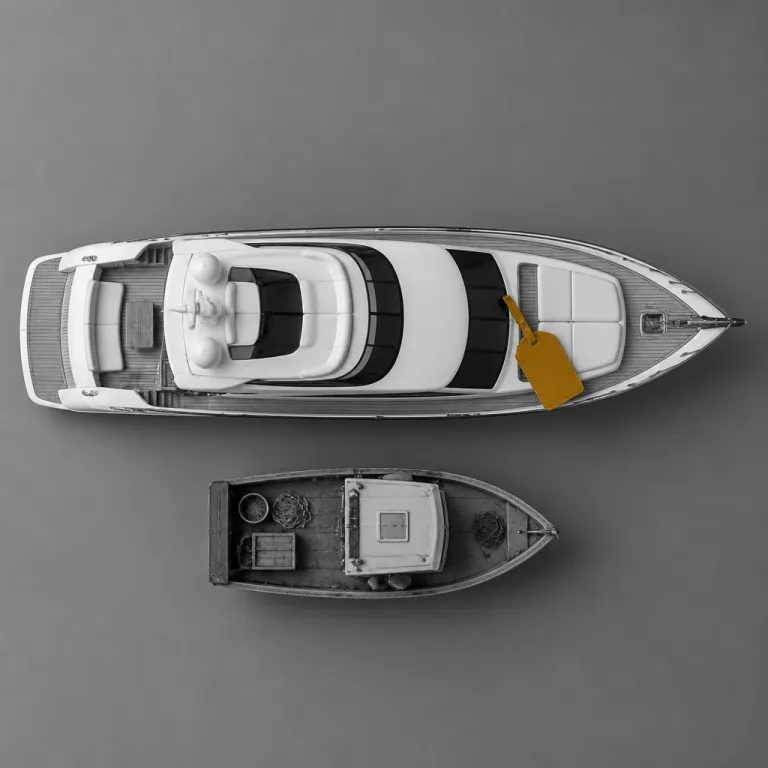
Boat and yacht difference when your hotel room floats
Choosing a floating hotel starts with understanding the practical difference between boats and yachts. When you browse a luxury booking website, every vessel is described with precise length in feet and metres, beam, and comfort details that influence your stay. In hospitality terms, a yacht is a larger, more luxurious vessel designed primarily for leisure and overnight accommodation, while a boat is the broader category that also includes smaller, simpler craft.
For hotel-style stays, a boat usually refers to compact vessels built for straightforward cruising or practical transport, while a yacht typically indicates a larger vessel designed for private luxury stays with hotel-level service. Industry guides and charter datasets confirm that a yacht is a larger, luxurious vessel designed for leisure, and that vessels over roughly 10.5–12 m (35–40 ft) with upscale interiors are commonly marketed as yachts. All yachts are boats, but not all boats are yachts, and this classification matters when you compare purchase price, onboard amenities, and the level of crewed service.
On a premium booking platform, you will often see a clear note about overall length, beam, and displacement hull type, because these technical details affect motion, noise, and overall comfort at anchor. Smaller boat options might be ideal for a short city break on a river, while large motor yachts or sailing yachts offer expansive decks, a flybridge terrace, and multiple cabins that feel closer to a private villa. When you filter by yacht style, you are really choosing between compact boat stays, spacious cruising yachts, and fully crewed luxury yacht vessels that operate more like intimate floating resorts.
How size, layout, and power change the onboard hotel experience
When you compare the boat vs yacht experience for overnight stays, size and layout shape almost every aspect of your time on board. A typical boat used as a floating hotel room might measure under 12 m (around 40 ft) in length, while yachts typically start above that threshold and extend far beyond, bringing extra volume for lounges, dining areas, and spa-style bathrooms. Charter market data shows that the global fleet of crewed motor and sailing yachts has a median length of about 26–28 m (85–92 ft), so the real distinction on a booking site often comes from luxury fit-out and service level rather than a single number.
Motor power and hull design also influence how your floating hotel feels during sailing or gentle repositioning cruises. A displacement hull on larger motor yachts or cruising yachts moves smoothly through the water, which many guests prefer for longer ocean passages or multi-night itineraries along the coast. In contrast, smaller boats built with planing hulls can feel more agile but less calm, so a hospitality-focused vessel with a displacement hull usually offers greater comfort for guests who are sensitive to motion.
Layout is where the difference between a modest boat and a true yacht becomes very clear for remote workers and long-stay guests. A compact conversion might provide one cabin and a small salon, while yachts designed for extended cruising often include several cabins, a flybridge lounge, and dedicated workspaces that can double as a floating office. If you plan to work while cruising, look for listings that highlight a quiet desk area and stable internet, and consider guides such as this resource on setting up your floating office for remote work, which many premium booking platforms reference to help guests choose the right vessels.
Luxury yacht concepts that feel like private waterfront hotels
For travellers booking high-end boat hotels, the most striking difference between boats and yachts lies in how luxury is interpreted on board. Many yachts built for hospitality are designed from the keel up as cruising yachts, with every metre of interior volume dedicated to guest comfort, privacy, and service flow. These vessels often feature hotel-grade bedding, zoned climate control, and acoustic insulation that rival land-based suites.
On a luxury booking website, you will notice that motor yacht listings emphasise features such as a flybridge sun deck, ocean-view Jacuzzis, and water-level terraces that transform the vessel into a private beach club. Sailing yachts and sailing yacht concepts, by contrast, highlight the romance of sailing, the silence under sail power, and the connection to the sea that comes from feeling the wind rather than the engine. Both motor yachts and sailing yachts can be configured as floating hotels, but yachts designed specifically for charter hospitality usually integrate storage for toys, a yacht slide, and easy water access, which turns a simple stay into a private aqua park experience for families and groups.
Some of the most innovative luxury yacht concepts in the United States and Europe now blur the line between yacht and coastal retreat. Designers create large glass salons, spa areas, and modular cabins that can be reconfigured for couples, families, or corporate retreats, and these yachts built for flexible use appear more frequently on premium booking platforms. If you are comparing characterful boats versus purpose-built luxury yacht vessels, pay close attention to deck plans, crew-to-guest ratios, and whether the yacht style emphasises active cruising or tranquil anchorage living, then use specialist guides on how a yacht slide transforms your floating hotel stay to understand which features genuinely enhance your time on the water.
From working vessels to refined yacht style stays
Not every floating hotel started life as a glamorous yacht, and this history shapes the boat and yacht difference you feel on board. Many characterful boats began as working vessels, such as freight barges or fishing boats, then were carefully rebuilt to offer refined accommodation while preserving their industrial charm. These yachts built from commercial hulls often have generous beam and a stable displacement hull, which can feel exceptionally comfortable at the dock or on calm rivers.
Purpose-built luxury yacht hotels, on the other hand, are designed from the outset with guest circulation, privacy, and service in mind. Yachts designed for hospitality usually separate crew and guest areas, provide multiple access routes to the flybridge and main deck, and integrate technical spaces so that power systems and machinery remain out of sight and sound. This attention to layout and engineering means that even when the vessel is large, guests experience a sense of calm, with quiet cabins and smooth transitions between indoor lounges and open ocean-facing terraces.
When browsing a premium booking website, you may see both converted boats and contemporary yachts in the same destination, each with a different purchase price history and design philosophy. A thoughtfully converted vessel can offer authentic character and generous interior volume, while a modern luxury yacht often delivers cutting-edge stabilisation, efficient motor power, and refined yacht-style decor. To understand how freight barges and other working vessels become elegant floating hotels, many travellers consult detailed case studies on the art of boat conversion, which explain how designers balance heritage, safety, and modern comfort for overnight guests.
How pricing, service, and comfort reflect the boat and yacht difference
When you compare nightly rates on a luxury booking platform, the difference between boats and yachts becomes visible in both purchase price history and operating costs. A large luxury yacht with multiple decks, a flybridge, and full-time crew carries a significantly higher purchase price than a smaller boat, and this investment is reflected in the nightly rate you pay as a guest. Charter market reports from sources such as Superyacht Times indicate that crewed charter yachts between 24 m and 30 m (about 80–98 ft) often command median weekly rates in the range of US$60,000–US$90,000 in peak season, while compact boats and smaller yachts usually sit in a much lower price band.
Service level is another clear distinction in the boat vs yacht comparison for floating hotels. A compact vessel might operate more like a self-catered apartment, where you enjoy privacy but handle your own meals and daily routines, while a fully crewed motor yacht offers chef-prepared dining, housekeeping, and concierge-style itinerary planning. On the most exclusive luxury yacht stays, guests experience personalised service similar to a high-end resort, with crew anticipating preferences, arranging ocean-based activities, and managing every detail of sailing or cruising schedules.
Comfort at sea and at anchor also depends on vessel design, length, and displacement hull characteristics. Larger cruising yachts and motor yachts often include stabilisers, advanced climate control, and sound insulation, which create a calm environment even when the ocean is lively. Industry analyses of the superyacht fleet suggest that a clear majority of yachts above 30 m (around 100 ft) now incorporate active stabilisation systems, reflecting how important motion control has become for guest comfort. When you evaluate listings, look for clear descriptions of hull type, stabilisation, and layout, then weigh whether you prefer the intimacy and value of smaller boats or the expansive comfort and service of larger yachts that operate as full-scale floating hotels.
Choosing between boats and yachts for different travel styles
Your personal travel style should guide how you interpret the difference between boats and yachts on any booking website. If you value simplicity, city access, and budget-friendly stays, smaller boats built for short cruising or static mooring can be ideal, especially on rivers and sheltered harbours. These vessels often provide cosy cabins, compact galleys, and easy access to shore, which suits guests who spend most of their time exploring on land.
Travellers seeking immersive ocean experiences, extended itineraries, or multi-generational gatherings usually benefit from the space and amenities of larger yachts. A motor yacht with a flybridge, multiple decks, and generous interior volume can host families or groups comfortably, while a sailing yacht offers a more active style of cruising that appeals to guests who enjoy participating in sailing manoeuvres. In both cases, yachts designed for hospitality provide flexible cabin arrangements, indoor and outdoor dining areas, and water-level platforms that make swimming and tender access effortless.
Geography also plays a role, particularly in regions such as the United States where regulations, marina infrastructure, and ocean conditions vary widely. On the Intracoastal Waterway, for example, a mid-size yacht with modest draft and efficient motor power may be ideal for leisurely cruising between coastal cities, while on open ocean routes a larger displacement hull with robust systems offers greater safety and comfort. When you plan your trip, consider how many nights you will spend on board, how much time you want under way versus at anchor, and whether your priorities lean toward value, character, or the full luxury yacht experience with crewed service and resort-level amenities.
Key statistics about boats, yachts, and floating hotel stays
- Industry definitions indicate that a vessel generally becomes a yacht when it exceeds roughly 10.5–12 m (about 35–40 ft) and includes luxury features such as high-end cabins and dedicated leisure spaces, which is the threshold many booking platforms use when labelling listings.
- Typical boat length for small leisure craft used as simple floating hotel rooms often remains under 12 m, while typical yacht length for hospitality-focused vessels starts above this range, providing additional interior volume for multiple cabins, salons, and crew areas.
- All yachts are boats, but not all boats are yachts, a distinction that helps guests understand why luxury yacht stays usually command higher nightly rates due to larger size, higher purchase price, and more complex systems and crew requirements.
- Displacement hull designs, common on larger cruising yachts and converted working vessels, generally offer smoother motion and better fuel efficiency at moderate speeds than planing hulls, which is why many premium floating hotels favour displacement hull vessels for guest comfort.
- In major yachting markets such as the United States and the Mediterranean, the growth of charter-focused yachts built specifically for hospitality has expanded the range of floating hotel options, giving travellers more choice between compact boats, mid-size yachts, and large luxury yacht vessels with resort-style amenities.
FAQ about the boat and yacht difference for hotel style stays
What defines a yacht compared with a regular boat on booking sites ?
On most luxury booking platforms, a yacht is defined as a larger, luxurious vessel designed for leisure, usually above about 10.5–12 m (35–40 ft) and equipped with high-end cabins, generous deck spaces, and often professional crew, while a regular boat may be smaller, simpler, and intended for short stays or day use.
Is every yacht considered a boat when I search for floating hotels ?
Yes, all yachts are technically boats, so a search filter for boats will usually include yachts, but not all boats meet the criteria of size, comfort, and luxury fit-out that justify the yacht label on premium hospitality websites.
At what size does a boat become a yacht for overnight guests ?
For hotel-style stays, many operators treat vessels over roughly 10.5–12 m (about 35–40 ft) with upscale interiors and leisure-focused layouts as yachts, while smaller or more basic vessels remain categorised as boats even if they offer overnight accommodation.
Why are yacht stays usually more expensive than boat stays ?
Yacht stays tend to cost more because the underlying purchase price of the vessel is higher, the size and complexity of systems require more maintenance, and professional crew are often included, all of which increase operating costs that are reflected in nightly rates.
Should I choose a boat or a yacht for a calm, comfortable sleep on the water ?
For the calmest experience, many guests prefer larger cruising yachts or converted displacement hull vessels, which offer more stability, better sound insulation, and advanced comfort systems, though a well-maintained smaller boat in a sheltered marina can also provide a peaceful night if you prioritise location over space and amenities.
References
- AceBoater – educational resources on the difference between boats and yachts, including typical length ranges and usage.
- United States Coast Guard – safety and classification guidelines for recreational vessels used in charter and hospitality.
- Superyacht Times – market reports on luxury yacht design trends, stabilisation systems, and charter usage in major cruising regions.