Why some floating suites feel still while others never stop moving
The calm you feel in a luxury floating suite starts with physics. Naval architects think about floating hotel stability design long before a single cushion or candle is chosen, because the way a hull meets the water decides whether your stay feels serene or slightly high risk. For couples used to a conventional hotel on land, that first step onto a floating hotel can feel surprisingly solid when the underlying geometry is right.
Two dimensions matter most for stability that guests actually feel ; beam, which is the width at the waterline, and draft, which is how deep the hull or floating structures sit in the water. A broader beam and a deeper draft create a lower centre of gravity, so floating hotels resist rolling when a passing ship sends a wake or when weather conditions change quickly. This is why a hotel floating on a converted barge in Amsterdam often feels calmer than a slender marine yacht in a windy maritime harbour.
Designers balance that stability with the guest experience, because too much motion is tiring while too little can feel oddly lifeless. In sheltered marinas and riverfronts, many luxury floating resorts use wide pontoon platforms that offer unique stillness even when adverse weather brushes the coast. Out at sea or in open bays, a floating hotel that is shaped more like a ship will move with the waves, so naval design focuses on damping that motion rather than pretending it does not exist.
Platforms versus vessels ; how structure shapes comfort and risk
Not every floating hotel is truly a ship, and that difference shapes stability. Fixed platforms built on broad pontoons behave like gentle rafts, while vessel based floating hotels breathe with the water and translate more motion into the rooms. For couples choosing between these hotels, the structural type quietly defines how romantic that midnight walk to the spa facilities will feel.
Pontoon based floating structures spread their buoyancy across a wide footprint, so they barely react when a small marine craft passes or when weather turns gusty. This makes them ideal for eco friendly luxury floating resorts in urban docks, where the hospitality industry wants low perceived risk and predictable guest experience. Because these platforms are closer to a conventional hotel in how they move, designers can add pools restaurants and generous spa facilities without destabilising the overall design.
True vessels, from river cruisers to retired ferries, offer unique maritime character but demand more careful floating hotel stability design. Their narrower hulls and higher superstructures mean that high winds and adverse weather can create more roll, so naval architects use ballast, hull form and efficient systems to keep motion within comfortable limits. Land based hoteliers increasingly study this compact by design approach, and you can see how boat architecture influences smart room layouts in many new properties that learn from boat architecture lessons for land hotels.
Where you sleep on the water ; cabins, height and quiet luxury
On any floating hotel, location within the structure matters as much as the structure itself. Cabins near the centreline and close to the waterline feel the least motion, while rooms high up or at the bow and stern exaggerate every small movement. When you browse luxury floating suites on a booking site, look carefully at deck plans rather than only the view.
Midships cabins on lower decks sit closer to the natural pivot point of most ships and floating structures, so they experience less roll and pitch when weather conditions change. Higher suites may offer unique panoramas and private pools restaurants terraces, but they also sit further from the centre of mass, which can amplify motion during adverse weather or when a large ship passes nearby. This is where floating hotel stability design intersects directly with guest experience, because the most photogenic rooms are not always the calmest.
Sound is another layer of comfort that couples often underestimate when choosing hotels on the water. Steel hulls can create a sharper slap as waves hit, while timber or composite materials soften the sound into a gentler rhythm that some guests find deeply relaxing. For a deeper dive into how acoustics shape sleep on the water, explore this guide to how water sounds influence the houseboat sleep experience, which explains why one floating hotel feels like a spa and another like a working harbour.
Silent engineering ; air, energy and the environmental impact of comfort
True luxury on the water is not only about marble bathrooms and champagne on deck. It is also about silent, efficient systems that keep air conditioning, lighting and water treatment almost invisible to the guest. The best floating hotels use energy efficient technology that protects both comfort and the surrounding marine environment.
Because a floating hotel is surrounded by water, waste heat and noise can easily disturb marine life and neighbouring vessels if design is careless. Naval architects now integrate eco friendly materials, efficient systems and careful routing of ducting so that air conditioning hums quietly without transmitting vibration through the hull. This attention to detail reduces environmental impact over the long term, while also making rooms feel more like a high end resort suite than a ship’s cabin.
Power management is another pillar of floating hotel stability design, because heavy fuel tanks and machinery affect balance as they empty and refill. Modern luxury floating properties often rely on shore power when moored, using energy efficient equipment to minimise both emissions and motion from running generators. For travellers comparing hotels, asking how a property manages power, water and waste is as relevant as asking about spa facilities, because it signals whether the hospitality team is thinking seriously about long term sustainability and guest experience.
Lines, fenders and the quiet art of mooring a floating resort
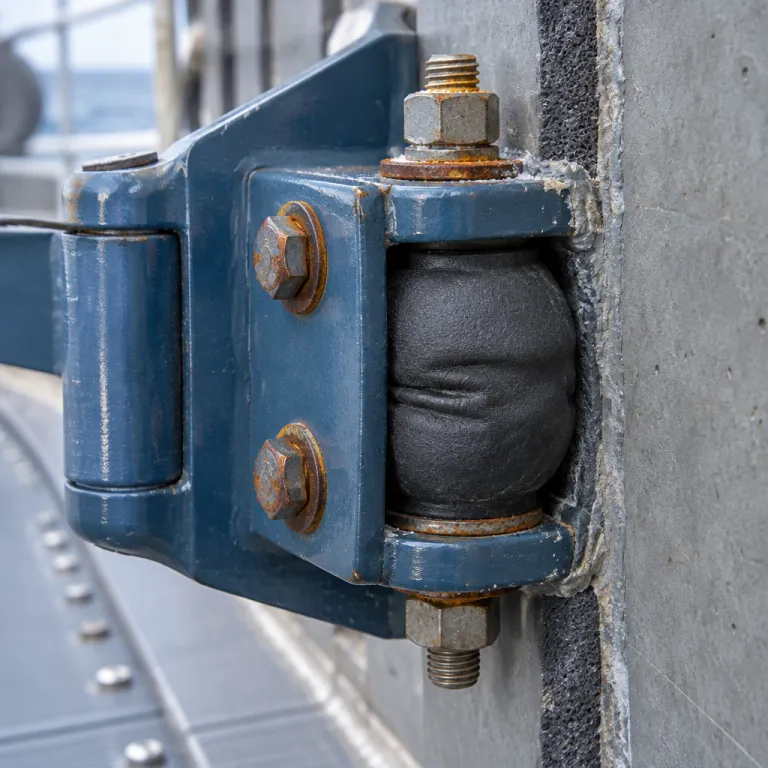
Even the most stable hull can feel restless if it is poorly moored. The way a floating hotel is tied to the dock, and how fenders cushion it from the quay, shapes how much you feel every passing wake. In busy maritime marinas, this soft engineering can matter more to sleep quality than the thread count of the sheets.
Good mooring practice spreads the load across several lines, holding the floating structures in position while still allowing a gentle, natural motion with the water. When lines are too tight or too few, every passing ship sends a jolt through the structure, which guests feel as sudden lurches rather than the slow, cradling movement that many couples enjoy. Thoughtful floating hotel stability design therefore extends beyond hull form into dock layout, fender placement and even how nearby traffic is managed under international harbour regulations.
Inside, designers use soft finishes and layered materials to absorb small vibrations and keep public spaces calm. Carpets, acoustic panels and carefully placed furniture help pools restaurants areas feel composed even when weather conditions shift outside. For travellers curious about how working vessels become refined places to stay, the story of converting a freight barge into a characterful hotel floating on a city canal is explored in depth in this feature on the art of turning freight barges into design led boat stays, where every design decision respects both stability and guest experience.
How to read stability between the lines when you book
For couples scrolling through glossy images of floating hotels, stability rarely appears in the headline. Yet a few quiet clues in the description can tell you whether a luxury floating stay will feel like a calm resort or a restless ship. The hospitality industry is slowly learning to translate naval design language into guest friendly terms, but you can already ask sharper questions.
Look for mentions of beam, draft or pontoon platforms, which usually signal a focus on floating hotel stability design rather than only aesthetics. Ask whether rooms are located near the centreline, how the property handles adverse weather and whether efficient systems such as stabilisers or advanced mooring are in place. When a hotel explains its eco friendly approach, energy efficient air conditioning and long term plan to minimise environmental impact, it often reflects a broader culture of engineering rigour that extends to safety and perceived risk.
Reputable operators in this niche of maritime hospitality usually state that all rights reserved information about safety standards and international certifications is available on request. They will be transparent about how the floating structures were built, which materials were used and how the guest experience is protected during challenging weather conditions. When a property team can talk confidently about water depth, ship traffic patterns and how their design choices offer unique calm on the water, you are far more likely to enjoy a steady, silent night in your floating suite.
FAQ ; floating hotel stability and guest comfort
Are floating hotels safe in storms and adverse weather ?
Most professionally operated floating hotels are designed and certified under international maritime regulations that account for storms and adverse weather. Wider beams, deeper drafts and robust mooring systems help maintain stability even when weather conditions deteriorate. When booking, ask how the property manages high winds, passing ship traffic and emergency procedures to understand its real world risk profile.
Which rooms move the least on a floating hotel ?
Cabins located near the centreline and close to the waterline experience the least motion. Suites high up or at the extreme bow and stern feel more roll and pitch, especially when a ship passes or waves reflect off harbour walls. If you are motion sensitive, request a midships, lower deck room and confirm this preference directly with the hotel.
Do eco friendly features affect stability or comfort ?
Eco friendly design usually improves comfort rather than compromising it, because energy efficient systems and better insulation reduce noise and vibration. Using sustainable materials and careful waste management also lowers environmental impact on the surrounding water and marine life. The key is thoughtful engineering that balances long term sustainability with the immediate guest experience in rooms and shared spaces.
How does a floating hotel compare with a conventional hotel for noise ?
Noise on a floating hotel comes from both onboard systems and the surrounding water, while a conventional hotel mainly deals with street or corridor sounds. Good floating hotel stability design includes acoustic insulation, quiet air conditioning and hull treatments that soften the slap of waves. When these elements are well executed, many guests find the gentle water sounds more restful than urban traffic.
What should I ask before booking a luxury floating suite ?
Ask about the type of structure, whether it is a pontoon platform or a ship, and where your room sits relative to the waterline. Clarify how the property handles adverse weather, power supply, air conditioning and mooring to understand both stability and comfort. Finally, enquire about spa facilities, pools restaurants and any unique maritime experiences to ensure the overall offer matches your expectations for a luxury stay on the water.
Sources
Lloyd’s Register ; American Bureau of Shipping ; International Maritime Organization