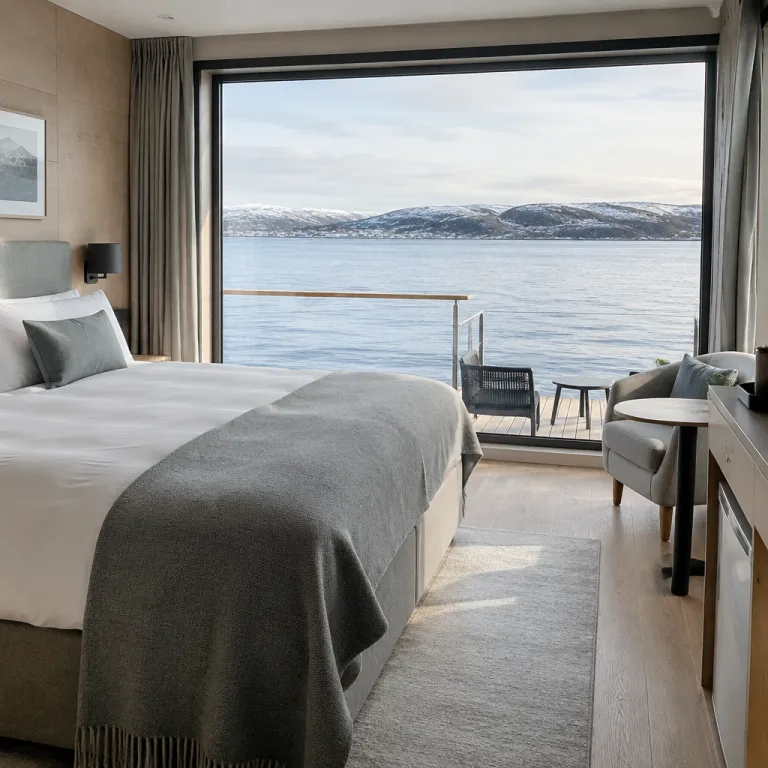
What you really pay for when you book a floating hotel
Ask whether floating hotels are worth the nightly rate and you are really asking what you are paying for beyond a standard hotel room. You are paying for the water itself, the way the river or harbour wraps around your floating space and changes the rhythm of every morning and every day. You are also paying for a carefully planned sense of theatre that turns a simple boat into a luxury floating retreat where people feel part of the landscape rather than parked beside it.
On a well designed floating hotel, the premium experience is not about a longer amenity list but about proximity to water and the way the hull frames each view. You might book a compact cabin with excellent air conditioning, a private deck and hotel staff who know how to create small rituals, like coffee delivered just as the first fishing boats slip past. That is where many couples will enjoy the stay floating most, because the place feels intimate, the time feels slower and the waterline feels close enough to touch.
Think of it as paying for a unique experience rather than extra square metres or a bigger spa. A traditional hotel can offer a pool and a skyline bar, while a floating hotel offers the sound of water under the bed and the sight of a love boat gliding past your window at blue hour. For some people that trade is pure love, for others it is a nice story that does not quite justify the rate when they review the bill after their stay.
Where floating hotels genuinely shine for romance and sense of place
The strongest argument for water based accommodation lies in its sense of place. On Amsterdam’s canals, in Kerala’s backwaters or along the Chao Phraya river in Bangkok, a floating hotel keeps you inside the city’s working water system rather than watching it from a distance. You wake to the soft knock of a passing boat, the light bouncing off the water and a morning that feels more like a private film set than a standard hotel corridor.
Couples who love slow travel often say they enjoy the way time stretches on the water, especially when the stay floating includes quiet decks and well spaced cabins. The romance is not abstract; it is the moment you step out barefoot, coffee in hand, and see people commuting by river while you simply enjoy being still. For many guests that is the premium experience they remember long after the exact room size or the specific air conditioning brand fades from memory.
Floating hotels also excel at framing local life without forcing you into constant activity. You can sit on a small terrace and watch fishing skiffs, tourist ferries and the occasional love boat cruise slide past, each one a moving reply to your original question about value. Market insights from sources such as the European Travel Commission and city tourism boards show that in several key cities, demand for waterline stays has grown faster than for comparable land properties over recent seasons, reflecting a broader shift toward distinctive, place specific accommodation. When you care about immersion and atmosphere more than lobby grandeur, that trend makes emotional and financial sense.
Where floating stays can disappoint first timers
Not every traveller who wonders about the value of a floating hotel will fall in love with the answer. Space on a boat is finite, which means cabins can feel compact compared with a similarly priced hotel room on land. If you need a large wardrobe, a big desk and room to unroll yoga mats, a floating hotel may feel more like a well appointed cabin than a suite.
Motion is another factor that divides people quickly, because even a moored boat moves with passing traffic and changing weather. Sensitive sleepers might find that the gentle sway they expected to enjoy becomes a nightly annoyance, especially when a river taxi or fishing boat sends a bigger wake against the hull. Good air conditioning and sound insulation help, but they do not fully cancel the reality that you are on water, not concrete.
Weather can also limit how much you will enjoy the outdoor parts of a luxury floating stay. A carefully planned sunset drink on deck can turn into an indoor evening if rain sweeps across the river or the wind picks up sharply. This is where flexible planning and smart timing matter; using strategies like the shoulder season and early booking tips outlined in specialist guides on how to save on houseboat rentals can help you choose a time of year when conditions usually play along, and when the price gap versus a land hotel feels more reasonable.
Value for money: comparing floating hotels with land based stays
The value question behind water based hotels comes down to what you personally prioritise. If you measure a hotel stay mainly by room size, spa facilities and the number of restaurants, a land property will often win on paper at the same price point. If you measure by memory per hour, a floating hotel can outperform because the experience feels less generic and more tied to the water and the specific place.
Think about how you actually use a hotel during a city break or a river escape. Many people spend most of the day outside, which makes a smaller but well designed cabin on a boat feel perfectly adequate, especially when the hotel staff curate small touches like late check out, river facing breakfasts and private transfers by boat. In those cases the premium experience you pay for is the way each morning and each day begin and end on water, not the number of marble surfaces in the lobby.
For couples planning a special occasion, the calculation shifts again. A proposal, an anniversary or a once in a decade trip is often about the story you will tell later, and a unique experience on a love boat style property can feel like money well spent. If you are simply passing through a city for one night between flights, the same floating hotels might feel like overkill when a reliable airport hotel would serve the purpose with less romance but more predictability.
Who floating hotels suit best – and who should think twice
When readers ask whether a floating hotel is worth it, my reply usually starts with a question about their travel style. Couples who love water, design and a slower pace tend to thrive on these stays, especially when they choose a floating hotel on a calm river rather than an exposed marina. They enjoy the compactness, the sense of being on a private boat without the responsibility and the way time creates space for simple pleasures like watching fishing boats at dawn.
Floating hotels are particularly strong for romantic getaways, short city breaks and slow travel itineraries where the hotel is part of the destination. If you already love being on a boat, you will enjoy the way a stay floating turns the whole property into a kind of stationary cruise, with hotel staff acting as both hosts and informal river guides. People who value quiet mornings, soft light on the water and the feeling of a private deck will usually come away with a glowing review.
By contrast, travellers who need lots of storage, guaranteed silence and zero motion may be happier in a traditional hotel. Families with very young children or anyone with serious mobility issues should also check access details carefully, because gangways, ladders and narrow corridors are part of the reality of life on a boat. For them, the premium experience might lie in a spacious suite on land, while floating hotels remain an occasional treat rather than a default choice.
Design, amenities and the quiet rise of luxury floating stays
One reason the question about floating hotel value keeps appearing is that the segment itself is evolving. Early houseboat stays were often charming but basic, with patchy air conditioning and improvised layouts that made every step feel like a compromise. The new wave of luxury floating properties treats the hull as a design canvas, with clean lines, generous windows and materials chosen to age well in a marine environment.
On the amenities side, the gap with land hotels is narrowing fast. Many floating hotels now offer strong Wi Fi, thoughtful lighting, high quality bedding and compact but well equipped bathrooms, while some add small plunge pools or floating docks for swimming and kayaking. For properties that cater to active guests, investing in a paradise pad style inflatable floating dock for jet ski and water access, as explored in specialist features on why such platforms belong in every luxury boat hotel, has become a subtle but meaningful upgrade.
Behind the scenes, the best operators run their boats with the discipline of a good hotel and the flexibility of a seasoned charter crew. That means hotel staff who can pivot from arranging a private river transfer to recommending a local fishing guide, all while keeping safety briefings and maintenance schedules quietly but rigorously in place. As these standards rise, the premium experience feels less like paying for novelty and more like paying for a mature, water based alternative to a conventional hotel stay.
How to decide if a floating hotel is right for your next trip
To decide whether a floating hotel is worth it for your specific trip, start with the purpose of the journey. If this is a romantic escape where you want to feel cocooned, close to water and slightly removed from the city’s noise, a floating hotel on a calm river or harbour is often an excellent choice. If this is a work heavy visit with early meetings and late returns, a central land hotel with predictable access and more space may serve you better.
Next, think about your relationship with water and motion. If you already love boat days, river cruises and the idea of a love boat style evening drink on deck, you will probably enjoy the gentle movement and the way time creates natural pauses in your schedule. If you are unsure, consider booking just one or two nights at first, treating the stay floating as a carefully planned highlight within a longer itinerary that includes more conventional hotels.
Finally, look closely at the specific property rather than assuming all floating hotels are the same. Read each review with an eye for comments about noise, air conditioning, access and how attentive the hotel staff feel during busy periods. When you find a place where people praise the unique experience, the private decks and the way mornings on the water feel like the best part of the day, that is usually where the premium price starts to make sense.
Key figures shaping the rise of floating hotels
- In several major European cities, houseboat and floating hotel occupancy has grown faster than traditional hotel occupancy over recent seasons, according to tourism board and accommodation platform data, reflecting rising interest in water based stays among leisure travellers.
- Surveys by leading online travel agencies show that a significant share of younger couples now consider at least one alternative stay, such as a boat or floating hotel, when planning a romantic trip, indicating that water based properties are moving from niche to mainstream options.
- Guest satisfaction scores for well managed floating hotels in calm river or canal locations often match or exceed comparable four star land hotels, especially on metrics related to atmosphere, sense of place and overall experience, even when room sizes are smaller.
- Search data from major booking platforms reveals a steady increase in queries related to floating hotels and boat stays over recent years, suggesting that more people are actively weighing these options at the decision stage of trip planning.
FAQ
Are floating hotels safe during storms or bad weather ?
Licensed floating hotels operate under strict maritime and local safety regulations, which include mooring standards, hull inspections and emergency procedures. In bad weather, operations may be adjusted, such as pausing boat transfers or closing upper decks, but the structure itself is designed to remain secure. If you are concerned, choose properties on sheltered rivers or canals rather than exposed coastal marinas.
Do floating hotels move like cruise ships or stay in one place ?
Most floating hotels stay in one fixed place, moored to a quay or anchored in a protected area, so movement is usually limited to gentle rocking from passing boats or wind. Unlike cruise ships, they do not follow itineraries or sail between ports during your stay. If you are very sensitive to motion, ask for cabins closer to the centre of the boat, where movement feels minimal.
Are floating hotels more expensive than regular hotels ?
Prices vary by city and season, but floating hotels often carry a modest premium over comparable land properties in similar locations. That extra cost usually reflects limited inventory, higher maintenance needs on water and the demand for a distinctive experience. Whether they feel worth it depends on how much you value atmosphere, water views and a sense of novelty over room size and traditional amenities.
What should I check before booking a floating hotel ?
Before you book, review access details, motion and noise comments, and climate control information carefully. Look for clear photos of cabins, decks and bathrooms, and pay attention to how guests describe the hotel staff and the overall experience. If you plan to arrive late or with heavy luggage, confirm how you reach the boat from the nearest road or station, especially in cities with complex canal systems.
Are floating hotels suitable for families with children ?
Some floating hotels welcome families, while others focus on adults or couples, so policies differ widely. Safety considerations such as railings, deck layouts and access points matter more when children are on board, and space can feel tight for larger groups. If you are travelling with kids, choose a property that explicitly caters to families and ask detailed questions about safety features and available sleeping arrangements.