From working hull to heritage hideaway
A converted working boat stay begins long before check in. It starts with the hull that once pushed upriver against a winter current, or slipped out of a southern harbour before dawn, carrying cargo or crews rather than guests. When you choose this kind of floating hotel, you are stepping into a story that still feels present in every plate of steel and run of rivets.
Look first at how the boat sits in the water, because that single view already separates a former fishing boat from an ex river cruise ship or a compact tug. A deep, rounded hull usually signals a vessel built for open water, while a wide, shallow draft hints at a freight barge designed for narrow locks in the west of Europe or the canals of the United Kingdom. A narrow, almost pencil like profile often means a canal narrowboat conversion, whose original place to stay was the crew’s tiny stern cabin rather than today’s glamorous floating suite.
On a serious retrofit, the exterior still tells the truth about the boat’s working life. You may see the old wheelhouse preserved as a reading nook, or the former cargo hatch now framing a private hot deck with a discreet hot tub. When a converted hotel respects its past, the result is a stay historic enough to satisfy maritime purists, yet calm and comfortable enough to rival any land based luxury hotel.
Reading the lines: hull shapes, widths and working clues
To understand a converted working boat heritage stay, train your eye on the hull lines. A broad beam and almost rectangular cross section usually point to a freight barge that once carried grain or coal along a river in northern France or the industrial west. By contrast, a sleeker, deeper hull with more pronounced flare suggests a ship that faced swell and weather offshore, perhaps a small ferry or coastal fishing boat.
Width is another quiet clue, especially on a floating hotel moored in canal country. If the boat fits snugly between lock walls, you are probably on a vessel built to a specific canal gauge, which makes every step along the side deck feel like walking history. In the United Kingdom, for example, many luxury boat conversions keep the traditional narrowboat proportions of about 2.1 metres (roughly 7 feet) in beam, while in southern France you will often find wider péniche style barges, typically 5 to 5.2 metres across on Freycinet canals, whose generous hulls lend themselves to spacious cabins and refined dining rooms.
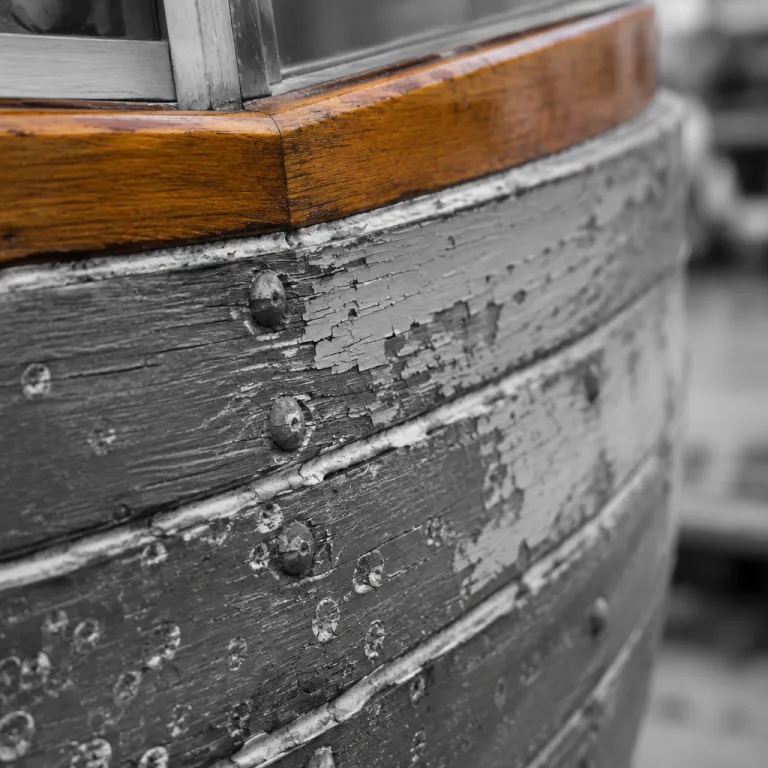
Look closely at the metal itself, because rivets versus welds tell you a lot about age and craftsmanship. Older working boats built before the mid 1950s often show rows of hand set rivets that give the hull a subtly dimpled texture, while later conversions started life as welded steel shells with cleaner lines. When a place to stay leaves those rivets visible inside a cabin, the room instantly feels more authentic, and the contrast between raw steel and soft textiles becomes part of the luxury.
From cargo hold to cabin: how conversions reshape space
The heart of any converted working boat heritage stay is the transformation of the hold. Where sacks of grain or crates of machinery once sat in a dark, echoing space, you now find layered lighting, quiet insulation and the kind of bed linen that makes a short stay stretch in your memory. The best conversions keep the volume of the original hold intact, so cabins feel long and linear rather than chopped into anonymous hotel boxes.
On a former freight barge, the cargo hold often becomes a row of cabins along a central corridor, while the old wheelhouse turns into a lounge with wraparound views of the river. A retired fishing boat might offer just a handful of compact cabins, but the galley below becomes a characterful dining space where the chef can play with local seafood and slow cooked dishes. When you step into a floating hotel created from a small cruise ship, public areas usually echo the original layout, with a salon forward and cabins aft, yet the finishes shift from hard wearing to quietly glamorous floating comfort.
Thoughtful conversion work respects both nature and narrative. Skylights cut into the deck bring in daylight without losing the sense of being cocooned below the waterline, while reclaimed timber and a modern wood burner can make a former working space feel deeply eco friendly. When a converted hotel keeps original fittings such as winches, bollards or even a retired wheel, your stay historic becomes a tactile lesson in maritime craft rather than a themed set. Well known examples such as the péniche hotel Anjodi on the Canal du Midi show how a 1920s trading barge can become a refined narrowboat style retreat without erasing its working past.
Lineages of labour: barges, fishers, ferries and tugs
Not every converted working boat heritage stay feels the same, because each vessel type carries a different working past. Freight barges were built to move slowly but steadily, so their long, stable hulls now lend themselves to calm cruises and generous cabins that barely notice passing wakes. Canal narrowboats, by contrast, were designed for tight locks and shallow pounds, which means a slimmer interior but a stronger sense of being part of the waterway’s daily life.
Fishing vessels bring a more rugged character to any boat hotel, especially when the owner keeps the original wheelhouse and some of the deck gear. You might sleep where nets once dried in the wind, then take breakfast in a former galley that now serves refined dining with a view of working harbours. In regions such as the west coast of France or the southern shores of South Africa, these conversions often sit close to active fleets, so your hotel stay feels plugged into real maritime culture rather than staged nostalgia.
Retired ferries and tugs tell yet another story, one of short, intense labour and powerful engines. A tug converted into a luxury boat usually offers compact but characterful cabins wrapped around a central engine room, sometimes with a glass panel that lets guests appreciate the machinery without the noise. Former river cruise ships, meanwhile, often become larger floating hotels with multiple decks, where a private hot terrace, a hot tub and a quiet lounge can coexist with original railings and staircases that still speak of scheduled cruises.
Choosing with intent: questions, provenance and quiet comfort
For a solo traveller choosing a converted working boat heritage stay, the most rewarding bookings start with good questions. Ask the host what the boat was built to do, where it worked and which parts of the structure remain unchanged, because a clear, confident answer usually signals a respectful conversion. When a place to stay cannot explain its own story, you may be looking at a gutted shell rather than a stay historic enough to justify the premium.
Request specifics about insulation, stabilisation and noise control, since true luxury on the water depends on calm nights as much as on fine dining. Naval design plays a quiet but crucial role here, and resources such as the guide on steady and silent floating suites at boat-stay.com can help you understand what to expect. When a converted hotel explains how it manages vibration, heating and ventilation, you know the conversion was planned as more than a cosmetic makeover.
Finally, look for details that show both care for nature and respect for heritage. Eco friendly systems such as shore power connections, efficient wood burner stoves and water saving fixtures matter just as much as the provenance of the timber under your feet. Whether you are moored on a quiet river in the United Kingdom, tied up in a southern French canal town or anchored off the coast of South Africa, the perfect place for a converted boat stay is the one where the working past feels honoured, the present feels comfortable and the water outside your cabin window still feels like the main event.
FAQ
How can I tell if a boat hotel was genuinely a working vessel ?
Start by looking at the hull shape, the depth in the water and the width relative to nearby locks or quays. Genuine working boats often show riveted plates, heavy bollards and a wheelhouse positioned for practical visibility rather than views. Ask the host directly about the vessel’s original role, and expect clear, specific answers rather than vague references to a maritime past.
What makes a converted working boat heritage stay different from a purpose built floating hotel ?
A purpose built floating hotel is designed from the outset for guests, so its layout usually mirrors a land based property with cabins, corridors and standard amenities. A converted working boat retains the proportions and many fittings of its original life, which creates more character but also more quirks. If you value provenance, craftsmanship and a tangible link to river or coastal culture, the converted option will usually feel richer.
Are converted working boats comfortable enough for a luxury stay ?
Well executed conversions can be extremely comfortable, with high quality insulation, modern heating, strong showers and carefully designed cabins. The key is how thoroughly the owner has addressed noise, vibration and climate control, especially on older steel hulls. Reading detailed reviews and asking about recent refits will help you separate truly luxury stays from more basic, character first options.
What questions should I ask before booking a heritage focused boat stay ?
Ask about the vessel’s original purpose, the date and scope of the conversion and which original elements remain on board. It is also wise to ask how the boat is moored, how stable it feels in different weather and what eco friendly measures are in place. Clear, confident answers usually indicate both pride in the boat’s story and a professional approach to guest comfort.
Is a converted working boat suitable for a first time solo traveller on the water ?
For many solo travellers, a small converted working boat offers an ideal balance of intimacy and security. You gain close contact with local river or harbour life, yet you still have the structure and service of a hotel stay. Choose a vessel with a stable mooring, clear access and responsive hosts, and your first night afloat is likely to feel quietly transformative rather than daunting.
Field checklist: reading a heritage boat hotel at a glance
Use this quick visual checklist when you first step onto a working boat conversion:
- Hull shape: deep and rounded for coastal fishers and ferries, wide and boxy for barges, long and slim for canal narrowboats.
- Beam versus lock width: a snug fit hints at a gauge built vessel, especially on British canals or Freycinet standard French waterways.
- Rivets or welds: visible rivet lines usually indicate a pre 1950s hull; smooth welded seams suggest later construction.
- Wheelhouse placement: set high and central for tugs and ferries, low and aft for many barges and péniche hotels.
- Deck fittings: heavy bollards, winches and fairleads are strong clues that the boat once worked for a living.