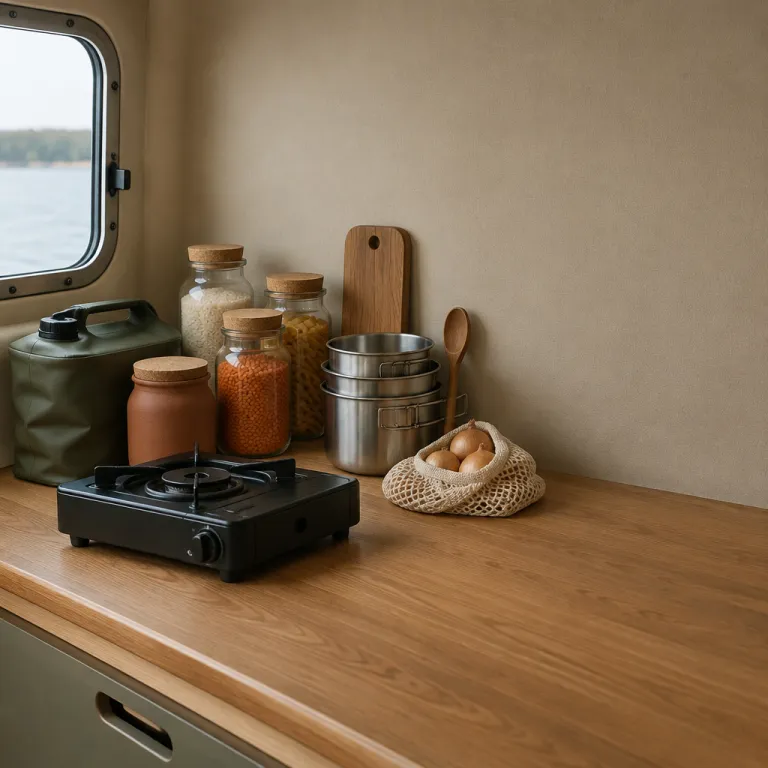
The realities of a floating kitchen: constraints that shape your shop
A houseboat galley looks charming, but it behaves like a moving tiny home on the water. Before you write a single item on your grocery list, you need to understand the limits of the fridge, the freezer, the hob and the storage so that every piece of food you bring earns its place. Think of this houseboat food provisioning guide as a way to translate hotel level comfort into a compact, seaworthy kitchen where every centimetre counts.
Most premium boat hotels, whether converted barge, sleek yacht or family friendly catamaran, offer a small fridge of 80–120 litres and a very limited freezer compartment. That means your provisions should lean toward long lasting ingredients, with only a curated selection of fresh fruits and vegetables that you plan to use in the first days of the boating trip. Water management matters just as much ; you will often have generous drinking water supplied, but washing up and cooking still require discipline so that the tank lasts the entire boat trip without a stressful dash back to the marina.
Cooking equipment on a houseboat usually means a two burner hob, a compact oven and minimal counter space that shrinks further once children start preparing snacks. When you are planning your food provisioning, favour one pan cooking and sheet pan style meals that keep preparation simple and cleaning fast, especially if the sea is choppy and motion sickness is a concern for younger guests. Good galley design on luxury yachts helps, but you still need to keep knives, bottles and soft drinks secured so nothing rolls while you are sailing or gently turning at anchor.
Provisioning by duration: long weekend versus full week afloat
Trip length is the backbone of any serious houseboat food provisioning guide, because a two night stay on a moored boat rental has very different needs from a seven night yacht charter that roams between islands. For a long weekend, you can treat the galley almost like an extended hotel minibar, leaning on eating ashore for dinners and using the boat mainly for breakfasts, snacks and simple family lunches. Once you cross into a full week on the water, your provisioning must support several complete days of cooking, with a clear plan for when to resupply at a local market or fish market along the route.
For a three night boating trip, aim to bring enough food for all breakfasts, two lunches and one relaxed dinner on board, then keep the rest of your meals flexible. Your grocery list might include long lasting yoghurt, muesli, bread, eggs, fruits and vegetables that tolerate limited space, plus soft drinks and a few alcoholic beverages for sunset on deck. When you book a refined seven day sailing itinerary such as a luxury Whitsundays route, you should plan meals more carefully, alternating full cooking days with evenings reserved for local restaurants near sheltered anchorages.
For a week or more, split your provisioning into two waves so that you do not overload the limited space on day one. First, bring core provisions like pasta, rice, tinned tomatoes, olive oil, spices and snacks that can keep safely in dry lockers, then add a smaller batch of fresh items every two or three days when you find a local shop. This staged provisioning keeps the fridge usable, reduces food waste and makes it easier to adapt your meal planning to the weather, the sea state and the mood of the family.
Ingredients that earn their berth: staples, fresh picks and smart treats
On a premium houseboat or yacht, every shelf is prime real estate, so this houseboat food provisioning guide focuses on ingredients that truly work hard. Shelf stable staples form the backbone of your provisions ; think pasta, couscous, rice, lentils, tinned beans, tinned tuna, crackers and long lasting UHT milk that can sit safely outside the fridge. A good bottle of olive oil, a small selection of vinegars and a compact spice kit turn these basics into satisfying meals without demanding extra space or refrigeration.
Fresh food still matters, especially when you are travelling with children who graze all day between swimming sessions and dinghy rides. Choose robust fruits and vegetables such as apples, oranges, carrots, cucumbers and cherry tomatoes, which tolerate limited space and a few bumps under way better than delicate berries or leafy greens. When your boat trip includes stops near a coastal town, plan to find a local fish market once or twice, then keep one evening free for cooking simply grilled fish with local ingredients and a crisp salad on deck.
Treats deserve a place in your provisioning, but they should be chosen with the same discipline as your staples. Pack a mix of nuts, dried fruit, dark chocolate and a few favourite biscuits, then balance alcoholic beverages with plenty of soft drinks and sparkling water so that everyone stays hydrated in the sun. If your sailing plans include a festive period or a special celebration, you can take inspiration from a floating festive escape and bring one standout bottle of wine or champagne, rather than filling precious lockers with a heavy bar.
Family friendly galley meals: simple menus for compact cooking
Feeding a family on a moving boat is less about culinary ambition and more about reliable, repeatable meals that work in a small galley. This houseboat food provisioning guide therefore leans toward dishes that use one pan, minimal chopping and ingredients that appear in several recipes. When you plan meals this way, you reduce prep time, keep washing up light and make it easier to cook even if the sea is lively and someone is feeling a touch of motion sickness.
Breakfast sets the tone for the day, so keep it generous yet simple with oats, yoghurt, granola, fresh fruits and vegetables like sliced apples and cucumbers, plus eggs that can become scrambled, boiled or turned into a frittata. For lunches on a boating trip, think of build your own spreads using wraps, hummus, tinned fish, cheese, salad and leftover grilled vegetables, which children can assemble themselves at the table. Dinners can rotate between pasta with tomato and olive oil, stir fried rice with vegetables, one pot curries and tray baked chicken with potatoes, all of which respect limited space and use overlapping provisions.
Snacks are your secret weapon for a stress free family voyage, especially on longer sailing days between marinas or anchorages. Keep a dedicated snack box with crackers, nuts, dried fruit, cereal bars and a few sweets, and make sure soft drinks and water are always within reach but safely stowed. If you are travelling on a crewed yacht charter, talk to the chef in advance about your children’s preferences so that the cooking on board reflects your own meal planning, rather than relying on a generic hotel style menu.
Stowing, waste and safety: practical galley discipline on the water
Even the most elegant boat hotel needs a touch of maritime pragmatism when it comes to stowing food and managing waste. Before you leave the dock, take ten minutes to keep heavy items low, fragile bottles wrapped and anything that can roll secured in baskets or lockers. This is where a thoughtful houseboat food provisioning guide intersects with seamanship, because a well stowed galley is safer, quieter and far more pleasant to use when the sea picks up.
Rubbish and recycling behave differently on the water, since you cannot simply step outside to a bin whenever you like. Use separate bags for recyclables and general waste, compress packaging whenever possible and avoid bringing excessive cardboard on board, which can attract moisture and take up limited space. Many marinas now provide clear guidance on waste sorting, so plan your boating trip to pass through harbours where you can offload rubbish every couple of days rather than storing it in the cockpit.
Safety overlaps with provisioning in several subtle ways that families sometimes overlook in their planning. Always keep a basic first aid kit in an accessible locker, including seasickness remedies for adults and children, and do not forget that some motion sickness tablets can cause drowsiness, so test them before a long day of sailing. Store cleaning products, matches and alcoholic beverages away from curious hands, and make sure toilet paper and other essentials are stocked in modest quantities so that you never run out, but also never block the compact marine toilet system with unsuitable paper.
Shopping strategy: where to stock up and how to use local flavour
Provisioning for a premium houseboat stay begins well before you step on board, but the smartest travellers leave deliberate gaps in their grocery list to be filled with local flavour. Start with a core set of provisions from home or a large supermarket near the marina, then plan to find a local shop or fish market every few days for fresh top ups. This approach keeps your galley flexible, supports nearby communities and turns your houseboat food provisioning guide into a living document shaped by each harbour.
When you are planning a more ambitious sailing route, such as a catamaran charter in the Bahamas, study the chart and note where small towns, fuel docks and markets cluster along the coast. Many yacht charter bases provide sample provisioning lists and can arrange pre arrival deliveries, but you still gain a richer experience by walking to a local bakery or quay side stall for bread, fruits and vegetables. Ask the harbour master or your boat rental concierge where crews usually shop, then adjust your plan meals schedule to coincide with those resupply points.
Families should also think about non food essentials that belong on the same provisioning checklist. Alongside your ingredients, keep space for extra drinking water, biodegradable cleaning products, reusable containers, toilet paper suitable for marine systems and a compact first aid kit that you hope never to use. When you treat provisioning as part of the overall trip design rather than a last minute chore, the result is a more relaxed, stress free boat trip where the galley quietly supports the adventure instead of dictating it.
Key figures for smarter houseboat provisioning
- According to the United States Coast Guard, around 70 % of recreational boating accidents involve day boats rather than overnight trips, which means families on multi day houseboat stays often enjoy calmer routines but still benefit from clear safety and provisioning plans.
- Data from the National Marine Manufacturers Association indicates that the average length of a recreational boat in the United States is about 6.4 metres, while many houseboats and small yachts used as floating hotels range from 10 to 18 metres, offering more storage but still far less than a land based rental.
- Research from the Environmental Protection Agency shows that food waste accounts for more than 20 % of municipal solid waste in the United States, a figure that underlines why careful meal planning and staged provisioning on a boat can significantly reduce both rubbish volume and environmental impact.
- Hydration studies from the European Food Safety Authority suggest that adults should consume around 2 litres of water per day, which means a family of four on a week long boating trip needs to plan for at least 56 litres of drinking water, whether supplied by the yacht or brought on board in bottles.
FAQ about provisioning a houseboat galley
How far in advance should I plan meals for a houseboat stay ?
For a long weekend, planning two or three days of meals is usually enough, while a week long trip benefits from a full seven day outline with flexibility built in. Aim to plan meals in broad strokes, leaving space for one or two dinners ashore and spontaneous visits to local markets. This balance keeps your provisions realistic and prevents both shortages and excess waste.
What are the most important staples to bring on a houseboat ?
Focus on dry goods that store well and work across several recipes, such as pasta, rice, couscous, tinned tomatoes, beans, tuna, oats and crackers. Add olive oil, a small set of spices, coffee or tea and a few favourite snacks for children. These staples form a reliable base that you can enrich with fresh produce and local ingredients along the way.
How do I manage limited fridge and freezer space on board ?
Use the fridge for high risk items like dairy, meat and opened jars, and avoid chilling anything that can safely stay at room temperature. Buy smaller packages of perishable food more often instead of one large shop, and rotate older items to the front so they are used first. Freezer space is best reserved for bread, a little frozen fruit and one or two emergency meals.
Should I rely on eating ashore or cooking on the boat with children ?
A mix of both usually works best for families, with breakfasts and most lunches on board and some dinners enjoyed ashore. Cooking simple, familiar dishes in the galley keeps children comfortable and reduces costs, while restaurant meals provide variety and a break from washing up. Check in advance which ports on your route have family friendly options within easy walking distance of the marina.
What non food items do travellers often forget when provisioning ?
Many guests remember the food but forget extra drinking water, suitable toilet paper, rubbish bags, reusable containers and a compact first aid kit. It is also easy to overlook dish soap, sponges and biodegradable cleaning products that are kinder to the marine environment. Adding these essentials to your provisioning checklist helps keep the boat running smoothly throughout the trip.