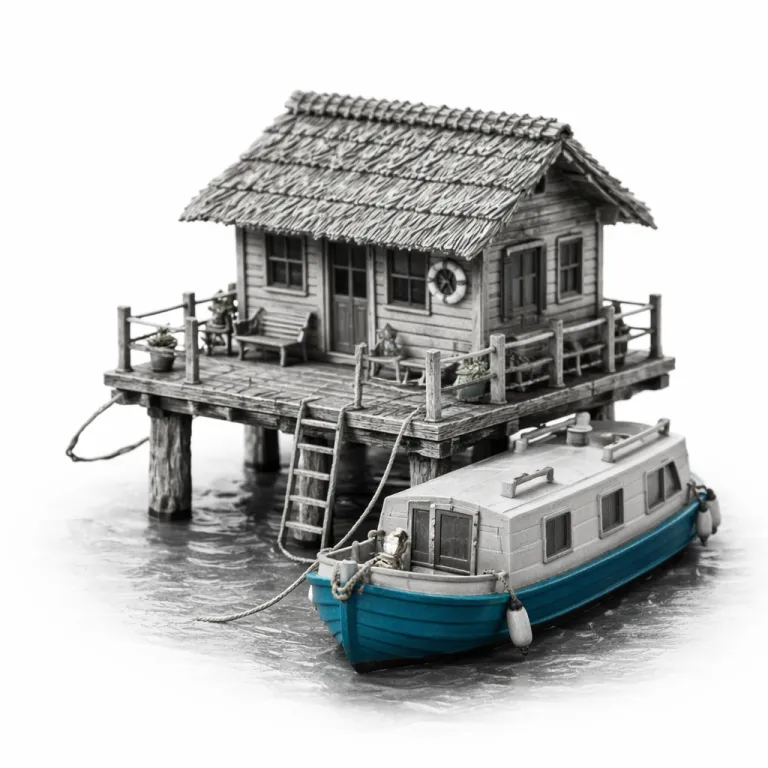
Mapping the main types of floating accommodation for design led travelers
The phrase “types of floating accommodation” now covers a surprisingly wide spectrum. At the polished end you find overwater villas, architect designed floating cabins and full scale floating hotels that rival leading land based hotels. At the more intimate end, moored houseboats, self drive canal boats and compact vessels offer accommodation solutions that bring you closer to the water and the working river.
Across this market, the common thread is proximity to water and a sense of gentle motion. Some floating stays are permanently fixed to a marina with engineered mooring and anchoring systems, while others move slowly along a canal or river and change your view every hour. The tourism industry has embraced these formats because they answer a growing demand for stays that feel both eco friendly and genuinely local rather than sealed inside anonymous cruise ships.
For travelers, the challenge is not lack of choice but clarity. You will see the same property described as a floating hotel, a houseboat or even a “boatel” on different booking platforms, which makes comparing accommodations difficult. Understanding the main categories of water based lodging helps you read between the marketing lines and match your expectations to the right kind of hotel experience on the water.
Overwater villas and floating cabins
Overwater villas sit at the pinnacle of floating accommodation, even when they technically rest on stilts rather than free floating platforms. These luxury accommodations stretch across lagoons in destinations from the Maldives to Bora Bora, and they deliver hotel level privacy with direct access to the sea below. Well known examples include the overwater suites at Soneva Jani in the Maldives or the bungalows at the St. Regis Bora Bora, where private decks, plunge pools and glass floor panels emphasize the connection to the lagoon.
Floating cabins represent a quieter, often more affordable expression of the same idea. Built on modular floating platforms, these compact accommodations appear on lakes in Canada, sheltered bays in Scandinavia and slow moving stretches of river in Germany. Scandinavian style cabins on Norway’s Telemark Canal or tiny house style rafts on Ontario lakes show how design forward micro lodgings can use clever storage, large windows over the water and insulation that makes them comfortable for long term stays outside the classic tourism season.
From a market perspective, both overwater villas and floating cabins respond to demand unique to couples seeking privacy and a strong sense of place. They are usually managed like small hotels, with professional staff, clear safety standards and transparent booking policies rather than informal third party arrangements. When you compare these types of floating accommodation, overwater villas suit travelers who want full service luxury, while floating cabins appeal to guests who value simplicity, silence and a closer relationship with the surrounding water.
Houseboats and boatels on urban and wild waterways
Houseboats occupy a special niche among the main types of floating accommodation because they blur the line between residential boats and hotels. In cities such as Amsterdam, Berlin in Germany or Kingston in Ontario, houseboats line the river and canal edges, offering accommodations that feel woven into daily local life. Some are privately owned vessels rented out occasionally, while others operate year round as regulated floating accommodations with professional management and hotel style services.
The newer “boatel” concept takes the familiar hotel model and transposes it onto purpose built floating vessels. These floating hotels usually remain moored in one place, using robust mooring systems and shore connections to utilities for reliable power, water and waste management. Inside, you find compact but well designed cabins, shared lounges and sometimes a restaurant that opens directly onto the river, which creates a more social atmosphere than many land based hotels.
Families often gravitate toward these formats because they combine novelty with practicality. A well run houseboat or boatel offers clear safety briefings, railings at child friendly heights and easy access to the public transport network on shore, which makes them ideal for urban tourism. For detailed inspiration on family focused floating accommodation, a guide such as where to book family friendly houseboats with kids can help you compare layouts, mooring locations and on board amenities.
Self drive canal boats and river cruises for slow travel couples
Self drive canal boats sit at the adventurous end of the types of floating accommodation spectrum. Instead of a static floating hotel, you take command of a compact vessel and move at walking pace along historic waterways, mooring beside villages, vineyards or quiet countryside. This format is especially popular on the Canal du Midi in France, the Trent Severn Waterway in Ontario and traditional canal networks in Germany, where the tourism industry has long experience supporting leisure boaters.
River cruises occupy a different space, closer to small scale cruise ships than to independent accommodations. Modern river cruises on the Danube, the Rhine or the St Lawrence River in Canada function as moving hotels, with fixed itineraries, restaurant service and guided excursions in each port. For couples who prefer to unpack once and let the crew handle navigation, these vessels offer a comfortable compromise between independent travel and the structure of classic cruise ships.
When you compare these two types of floating accommodation, think about how much responsibility you want. Canal boats demand active participation, from basic anchoring and mooring to reading river currents and handling locks, which some couples find deeply rewarding. River cruises, by contrast, suit travelers who want the romance of the river without managing transport logistics, waste management or interactions with local port authorities such as Transport Canada or Canada Shipping agencies.
Floating hotels, cruise ships and the line between stay and voyage
Floating hotels sit between land based hotels and cruise ships, and they are one of the fastest growing types of floating accommodation in the global market. Some are purpose built platforms moored permanently in harbors from Stockholm to Dubai, while others are converted ships that have retired from active trade and now serve as stationary accommodations. A detailed look at Stockholm’s floating hotels along the city waterfront shows how these properties can anchor a wider waterfront tourism strategy.
Unlike cruise ships, which move constantly and focus on transport between ports, a floating hotel usually emphasizes its relationship with a single city or landscape. Guests use it as a base for urban tourism, business travel or romantic weekends, returning each evening to a cabin that sits directly over the water. Because these floating accommodations operate like conventional hotels, they often integrate into local hotel associations, follow national safety codes and work closely with port authorities to manage environmental impact.
Large cruise ships still dominate the public imagination, especially in the United States and Canada, but they serve a different purpose. They are primarily transport and entertainment vessels, not pure accommodation solutions, and their scale raises complex questions about supply chain logistics, fuel consumption and waste management. For travelers focused on design and ambiance rather than spectacle, a smaller floating hotel or converted ship often delivers a more intimate relationship with the harbor and the surrounding river or sea.
Eco friendly design, regulation and environmental impact on the water
Any serious guide to the types of floating accommodation must address environmental impact. Floating hotels, houseboats and other vessels interact directly with water ecosystems, which makes waste management, fuel choice and construction materials central to responsible tourism. In regions such as Canada and the United States, agencies like Transport Canada and Canada Shipping authorities set technical standards that shape how floating accommodations handle grey water, black water and shore power connections.
Many new floating accommodations now market themselves as eco friendly, but the details matter. Look for properties that connect to municipal waste systems where possible, use electric propulsion for short river movements and rely on renewable energy for a significant share of their power. Some operators go further, working with local tourism boards and environmental association partners to monitor water quality and limit the number of vessels in sensitive areas, which helps balance tourism demand with long term ecosystem health.
Regulation is only one side of the equation; traveler choices also influence the market. When guests prioritize eco friendly floating accommodation and ask direct questions about waste management, anchoring systems and fuel types, operators receive a clear signal that demand unique to responsible tourism is worth the investment. As one industry FAQ puts it, “Are floating accommodations environmentally friendly? Many are designed with eco-friendly materials and practices.”
How to choose the right floating stay and where to book
Choosing between the many types of floating accommodation starts with clarifying your priorities. If you want privacy and high touch service, overwater villas or design led floating cabins managed as hotels will suit you better than self drive canal boats. Couples who crave movement and a sense of journey may prefer canal boats or curated river cruises, while those who enjoy urban energy might focus on houseboats and floating hotels moored close to public transport.
The booking landscape is fragmented, which can either frustrate or empower you. Specialist platforms such as boat stay focused websites curate floating accommodations with editorial oversight, while mainstream hotel aggregators list a mix of floating hotels, houseboats and even small cruise ships alongside conventional hotels. In destinations like Cancún, where the line between day charter and overnight stay can blur, resources such as this guide to refined boat rentals and luxury stays help you distinguish between pure transport services and genuine accommodation solutions.
Wherever you book, pay attention to regulation, insurance and third party reviews. In Canada and the United States, for example, legitimate operators reference Transport Canada or equivalent authorities, outline safety procedures and explain how their vessels comply with local tourism industry rules. Across Ontario, Germany and other mature markets, the most reliable floating accommodations are transparent about their environmental impact, their supply chain for on board products and their membership in recognized hotel or marina associations.
Key figures shaping the floating accommodation landscape
- Industry analysts estimate that there are now well over a thousand overwater villas worldwide, reflecting how luxury floating accommodation has shifted from niche experiment to established segment in the global tourism market (figures compiled from resort development reports and hospitality consultancy briefings).
- Market studies on alternative waterfront lodging suggest that the number of floating hotels has grown by roughly a third since the early 2000s, indicating strong demand for stationary vessels that function as hotels rather than cruise ships (trend data aggregated from booking platforms and construction pipelines).
- Houseboats and other floating accommodations now appear as a distinct category on major booking platforms across Europe, Canada and the United States, which shows that the public increasingly views them as mainstream accommodations rather than novelty stays.
- Waterfront tourism boards in regions such as Ontario and northern Germany report that floating accommodation solutions extend the tourism season by several months, because insulated vessels and reliable shore power make long term stays comfortable in cooler weather.
Frequently asked questions about floating stays
Are floating accommodations safe for couples new to boats?
Floating accommodations are safe when they are built to marine standards, inspected regularly and operated by experienced teams. In regulated markets such as Canada, Transport Canada and Canada Shipping authorities set clear rules for vessels used as hotels or long term accommodations. Always check for visible safety equipment, clear emergency procedures and recent third party reviews before confirming your booking.
Do floating hotels and houseboats offer the same comfort as land based hotels?
Many floating hotels and well designed houseboats now match or exceed the comfort level of traditional hotels in the same price bracket. You can expect proper heating or cooling, high quality bedding and reliable bathrooms, especially in mature markets like Germany, Ontario and the United States. The main difference is space; cabins are usually more compact, but thoughtful design and direct access to the water compensate for the smaller footprint.
How eco friendly are the different types of floating accommodation?
Eco friendliness varies widely between vessels and destinations, so you need to look beyond marketing language. Properties that connect to shore power, treat waste water responsibly and use efficient hull designs generally have a lower environmental impact than older cruise ships or poorly maintained houseboats. Asking operators specific questions about fuel type, waste management and anchoring practices is the best way to support responsible tourism.
What should I check before booking a self drive canal boat?
Before booking a self drive canal boat, confirm that you understand the navigation rules for the river or canal you will use. Reputable operators provide safety briefings, route planning support and clear guidance on locks, anchoring and interactions with commercial trade vessels. You should also verify insurance coverage, on board equipment and emergency contact procedures, especially if you are traveling outside your home country.
Is a river cruise or a stationary floating hotel better for a romantic trip?
A river cruise suits couples who enjoy structured itineraries, shared social spaces and the feeling of a continuous voyage. A stationary floating hotel or houseboat works better if you prefer to explore one city or region in depth, returning each night to the same cabin over the water. Both types of floating accommodation can be romantic; the right choice depends on whether you value movement or rootedness during your stay.