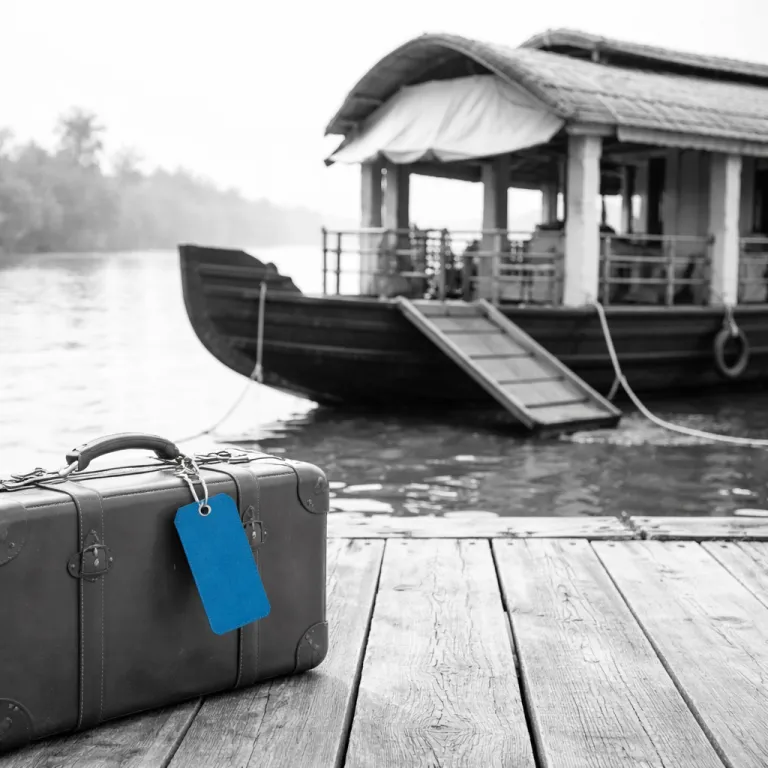
How to Choose a Kerala Backwater Houseboat (Without the Disappointment)
Setting expectations for a Kerala backwater houseboat stay
A Kerala backwater houseboat stay looks effortless in photographs, yet the reality on board can feel very different. The backwaters of Kerala stretch across a vast area of canals, rivers, lakes and islands, and the quality of boats and crews varies just as widely. Understanding how a houseboat in India is built, staffed and priced will help you choose the best option for your style of travel.
The classic Kerala houseboat, or kettuvallam, is a wooden cargo boat refitted with one to four cabins, a shaded deck and a compact galley. Some vessels now present polished luxury houseboat finishes with air conditioned bedrooms, hotel grade linen and curated menus, while others remain basic boats with simple mattresses and shared bathrooms. When you book a Kerala backwater cruise, you are choosing not only a vessel but also an entire floating micro hotel, from the captain to the cook and the route they favour through the backwaters.
Alleppey, often called Alappuzha, is the main gateway to the Kerala backwaters, with around one thousand boats registered in the district according to local tourism board figures and media reports. That density of houseboats means choice, but it also means noise, diesel fumes and queues at narrow canals during peak day hours. If you prefer quieter scenery, consider a route that spends more time on Vembanad Lake or heads towards the Alleppey–Kumarakom corridor, where the lake widens and the islands feel more remote.
The gap between brochure and real houseboat experience
Marketing images of a Kerala backwater houseboat usually show a single vessel gliding across an empty lake at sunset. In reality, the most popular stretches near Alleppey can feel like a floating caravan park, with operators jostling for moorings and music drifting from neighbouring decks. A premium or luxury houseboat will often secure quieter overnight spots, but even then you share the waterway with fishing canoes, local ferries and other cruise itineraries.
Inside, expect compact spaces rather than sprawling suites, even on luxury houseboats. A standard bedroom on a Kerala houseboat measures roughly 8 to 10 square metres, with just enough room for a double bed, a small wardrobe and an attached bathroom, while higher end boats may add a small seating area or balcony. The experience is about watching the Kerala backwaters slide past your window, not about a vast interior, so treat the bedroom as a place to sleep and store luggage rather than a lounge.
Noise and motion are part of the backwater tourism reality. When your boat passes through narrow canals, you will hear engines from other vessels and the calls of local vendors paddling between decks with fresh fish or snacks. At night, once the engines are cut and the boat is moored, the soundscape shifts to frogs, distant temple music and the soft slap of water against the hull, which many travellers consider the best part of a Kerala backwater houseboat stay.
Choosing routes: Alleppey, Kumarakom and beyond
Route choice shapes your Kerala backwater houseboat stay as much as the boat itself. The classic overnight tour runs between Alleppey and the villages south of Vembanad Lake, with some itineraries extending towards the Alleppey–Kumarakom axis on longer trips. Each area of the Kerala backwaters offers a different balance of scenery, traffic and access to local life.
Short one day cruises usually loop through the busiest canals near Alleppey, passing paddy fields, churches and small islands before returning to the same jetty. These day routes suit travellers short on time, but they rarely reach the quieter stretches of Vembanad Lake or the more remote island villages. For a deeper houseboat experience, consider at least one night on board, which allows your boat to leave the main channels and anchor near smaller islands where the backwater feels more open.
Multi day itineraries often link Alleppey with Kumarakom, a village on the eastern shore of Vembanad Lake known for its bird sanctuary and lakeside resorts. The Alleppey–Kumarakom route lets you experience both narrow canals and the wide lake, with chances to spot herons, kingfishers and egrets near the Kumarakom Bird Sanctuary. Some operators also offer routes towards Ashtamudi Lake, another major backwater area in Kerala, where the lake narrows into long fjord like arms and the islands feel less developed than around Alleppey.
Matching routes to your travel style
If you value privacy and quiet, prioritise routes that spend more time on Vembanad Lake or Ashtamudi Lake rather than only in the central Alleppey zone. Ask operators whether their Kerala houseboat will moor near a village, a paddy field or an island, because each setting creates a different evening atmosphere. A mooring near a busy village brings temple bells and local life, while a remote island anchorage offers darker skies and softer sounds from the lake.
Travellers focused on photography or birdwatching should request early morning cruising on the lake or near the Kumarakom bird sanctuary area. Light is softer, the water is calmer and fishing boats create beautiful silhouettes against the Kerala backwater horizon. If your cruise includes a stop at a bird sanctuary or a village, confirm how long the stop lasts, because some budget tours allow only brief visits that feel rushed.
Those who see the Kerala backwaters as one chapter in a longer India itinerary may prefer a one night houseboat trip combined with land based stays elsewhere. In that case, choose a well maintained boat with strong service rather than the largest possible vessel, because a single night should prioritise quality over size. For travellers who want to build a themed journey of water based stays worldwide, it is worth comparing the intimacy of a Kerala houseboat with other floating hotels, such as the canal boats featured in this guide to top rated boat hotels for luxury travel.
Understanding price tiers: from basic boats to luxury houseboats
Prices for a Kerala backwater houseboat stay range from modest to genuinely premium, and the differences between tiers are significant. At the entry level, a standard Kerala houseboat cabin might start around four thousand Indian rupees per night according to sample rates from local booking platforms and online travel agencies, usually with a fan cooled bedroom, simple furnishings and shared outdoor deck space. At the top end, a luxury houseboat can cost several times more, offering air conditioned bedrooms, polished wood interiors, better linens and more attentive service.
Budget boats often appeal to backpackers or domestic travellers who prioritise the experience of being on the backwater over amenities. These boats may have older engines, basic bathrooms and less refined food, but they still follow the same core schedule of check in around midday, cruising until late afternoon and mooring overnight. When comparing budget options in Alleppey, pay close attention to safety equipment, cleanliness and whether the operator caps passenger numbers, because overcrowding can undermine the houseboat experience.
Mid range and premium Alleppey houseboats usually strike the best balance for international travellers. Expect private bathrooms for each bedroom, air conditioning during night hours, better mattresses and more varied menus, with some flexibility for dietary preferences. Luxury houseboats in the Kerala backwaters may add extras such as upper decks, glass walled dining areas and more personalised itineraries, but the core rhythm of the day on the water remains similar across price points.
What your rate really includes
Most Kerala backwater houseboat packages are sold on a full board basis. As one local operator explains in their standard information sheet, “Typically includes meals, accommodation, and cruising.” That means your quoted rate usually covers the boat, crew, three meals, afternoon tea and the main backwater cruise, but not always extras such as special seafood, soft drinks or tips.
Clarify whether air conditioning in the bedroom runs all day or only at night, because some mid range Kerala houseboat operators limit usage to reduce fuel costs. Ask if the cruise includes any village walks, canoe rides or bird sanctuary visits, and whether these are included or charged separately. On some routes near Ashtamudi Lake or Vembanad Lake, small canoe excursions into narrower canals can be a highlight of the trip, but they may carry an extra fee payable directly to local boatmen.
Tipping customs on Kerala backwater houseboats are straightforward. For a one night houseboat trip, many travellers leave a pooled tip for the crew, scaled to the level of service and the size of the group, while multi day cruises may warrant a higher amount. When you book through a travel agent or an online platform, check whether any service charge is already included, and use a quick WhatsApp chat with the operator to confirm what is customary for their crew.
Food, crew and sanitation: what to expect on board
Food is often the highlight of a Kerala backwater houseboat stay, especially on well run boats. Most crews serve a sequence of local dishes built around rice, fish, vegetables and coconut, with breakfast, lunch, evening snacks and dinner included in the experience. On higher tier luxury houseboats, menus may be more elaborate, but the best meals still rely on fresh ingredients sourced from markets along the backwaters.
Before confirming your Kerala houseboat booking, share any dietary requirements clearly. Crews are usually flexible, but smaller boats have limited storage and kitchen space, so advance notice helps them plan. If you are travelling with children or prefer milder flavours, ask the cook to adjust spice levels on the first day, because it is easier to calibrate early in the trip than to correct every meal.
Sanitation standards vary widely between a basic boat and a premium or luxury houseboat. On budget Alleppey options, bathrooms may be compact wet rooms with simple fixtures, while mid range boats often provide enclosed showers, western toilets and better ventilation. Top tier backwater operators invest in cleaner water systems, more frequent housekeeping and clearer waste management practices, which matter in a fragile backwater ecosystem.
The human side of your houseboat cruise
The crew defines much of your Kerala backwater houseboat experience. A typical team includes a captain, a cook and one or two attendants, all drawn from local backwater communities. Their knowledge of the Kerala backwaters, from safe channels on Vembanad Lake to quiet moorings near small islands, is what turns a standard tour into a more nuanced journey.
Communication is usually straightforward, with at least one crew member speaking functional English and often Hindi as well. If you have specific expectations about the route, such as spending more time near a bird sanctuary or exploring a particular island area, share them early in the day. Many operators note that “Many operators offer customizable routes.”, but customisation works best when discussed before the boat leaves the jetty.
Safety on reputable Kerala houseboats is generally strong. As one standard answer from local tourism information puts it, “Yes, reputable operators ensure safety measures.” Look for visible life jackets, clear emergency exits and a crew that gives at least a basic safety briefing when you board, especially if your houseboat trip includes children or older travellers.
When to go, how to book and avoiding hidden costs
Kerala’s backwaters are technically a year round destination, but some months suit a Kerala backwater houseboat stay better than others. From roughly November to February, daytime temperatures often sit in the high twenties Celsius with lower humidity and lighter rainfall, making nights more comfortable in a non air conditioned bedroom. March to May can feel hotter and stickier, while the southwest monsoon from June to September brings heavier rain and occasional disruptions to cruising schedules.
Booking patterns have shifted towards online platforms, with many travellers reserving their Kerala houseboat through specialist websites, general travel portals or direct operator sites. You can also book through travel agents in India or abroad, who often bundle a houseboat cruise with wider itineraries that include other regions. Whether you book online or through an agent, follow four basic rules that local tourism boards repeat : book in advance, confirm amenities, check reviews and understand cancellation policies.
Hidden costs tend to cluster around extras and timing. Some Kerala backwater houseboat operators charge separately for premium seafood, air conditioning during the day, canoe excursions or late check out beyond the standard 09:00 departure. Clarify whether your rate includes all taxes, and ask for a written breakdown by WhatsApp chat or email so that there are no surprises when you settle the bill at the end of your houseboat trip.
Lead times and choosing reliable operators
For peak periods, aim to book your Kerala backwater houseboat at least several weeks ahead, especially if you want a specific luxury houseboat or a particular route such as Alleppey to Kumarakom. Last minute deals exist, but they are more common on older boats or less popular itineraries, which may not deliver the best houseboat experience. If your dates are fixed and your standards are high, early booking is the safer strategy.
Reliability matters more than glossy marketing. Look for Kerala houseboats with consistent reviews that mention cleanliness, crew attitude and accurate descriptions of the backwater tour, rather than only praising the scenery. When possible, use a quick WhatsApp chat or phone call to confirm details such as the exact boarding point in Alleppey, the size of your bedroom and whether the boat will share moorings with other vessels overnight.
Travellers who enjoy tracking the evolution of water based stays worldwide may appreciate how Kerala’s backwater tourism compares with other floating projects. For example, large scale developments like the planned floating hotel in Vancouver’s Coal Harbour show how cities are rethinking waterfront accommodation at a very different scale. In contrast, a Kerala backwater houseboat remains an intimate, low rise vessel, woven into the daily life of local communities along the canals and lakes.
How Kerala’s backwaters fit into a wider boat travel portfolio
For travellers who already appreciate water based stays, a Kerala backwater houseboat offers a distinct counterpoint to urban floating hotels. Here, the focus is on slow movement through rural Kerala, with paddy fields, coconut groves and small islands replacing city skylines. The backwater tourism model in this area of India channels income directly to local boat owners, crews and farmers, rather than to large international hotel chains.
Compared with European canal boats or Scandinavian floating hotels, a Kerala houseboat feels more handcrafted and less standardised. Traditional kettuvallam hulls are lashed together with coir rope, then topped with woven palm roofs that give each boat a slightly different silhouette on the lake. Inside, even luxury houseboats retain a sense of place, with carved wood, local textiles and open decks that keep you close to the waterline and the rhythms of the backwaters.
For some travellers, the Kerala backwaters become the benchmark against which other boat stays are measured. After a night anchored near a quiet island on Vembanad Lake, the gentle slap of water against the hull and the sight of fishermen casting nets at dawn can make larger floating hotels feel detached from their surroundings. That said, each style of boat stay has its place, and urban projects such as the floating hotels in Stockholm’s archipelago show how water based accommodation can thrive in very different climates and cultures.
Building an itinerary around the backwaters
When planning a wider India trip, think of your Kerala backwater houseboat stay as a decompression chamber between more intense cities. Two or three days on the backwater, with one or two nights on a houseboat and an extra night in a land based hotel nearby, can reset your pace. This structure works particularly well for solo travellers who value both quiet time on the lake and the option to explore local markets or temples on foot.
Combine your houseboat cruise with time in Fort Kochi, the tea plantations of Munnar or the beaches further south to experience different faces of Kerala. Each region offers its own rhythm, but the backwaters remain the most iconic setting, especially when approached with realistic expectations about boats, costs and comfort levels. By understanding the spectrum from basic boat to luxury houseboat, you can choose the version of the Kerala houseboat experience that aligns with your travel style rather than with a marketing fantasy.
For travellers building a long term portfolio of water based stays, keeping notes on each houseboat trip helps refine future choices. Record which area of the Kerala backwaters you preferred, whether the Alleppey canals or the quieter stretches near Ashtamudi Lake suited you better, and how the crew shaped your days on board. Over time, these details will guide you towards the best matches among both Kerala houseboats and other floating stays worldwide.
Key figures on Kerala backwater houseboats
- Alleppey hosts around 1,000 registered houseboats, making it the densest single hub for Kerala backwater vessels and a major driver of local employment in the backwaters area, according to district tourism statistics and state tourism department summaries.
- Entry level rates for a standard Kerala houseboat cabin start at roughly 4,000 Indian rupees per night on sample listings from local operators and mainstream booking platforms, which typically covers accommodation, meals and core cruising, with extras such as premium seafood or canoe trips charged separately.
- Typical houseboat schedules in the Kerala backwaters run from a midday check in, cruising until around 17:30, overnight mooring and a check out around 09:00, concentrating engine use and canal traffic into specific hours of the day.
- Houseboat tourism has grown steadily in the Kerala backwaters, with rising demand for luxury houseboats and eco focused vessels, reflecting a broader shift towards experiential and sustainable travel in India’s water based destinations.
- Online bookings now account for a significant share of Kerala backwater houseboat reservations, with travellers using websites, travel agencies and direct operator contacts to compare boats, routes and inclusions before committing.
Frequently asked questions about Kerala backwater houseboats
What is usually included in a Kerala backwater houseboat package ?
Most Kerala backwater houseboat packages are sold on a full board basis, which means your rate normally covers the boat, crew, three meals, afternoon tea and the main backwater cruise. As local operators summarise it, “Typically includes meals, accommodation, and cruising.” Extras such as premium seafood, soft drinks, canoe rides or extended air conditioning hours may be charged separately, so always request a detailed inclusion list before confirming.
Are Kerala backwater houseboats safe for solo travellers and families ?
Reputable Kerala houseboat operators maintain solid safety standards, with life jackets, trained crews and clear operating procedures on the backwaters. Official guidance notes that “Yes, reputable operators ensure safety measures.” Solo travellers and families should still check recent reviews, confirm the presence of safety equipment on board and choose established operators in Alleppey, Kumarakom or Ashtamudi Lake rather than unregistered boats.
Can I customise my Kerala backwater houseboat route ?
Many operators allow some flexibility in routing, especially on private charters where your group occupies the entire boat. Local information clearly states that “Many operators offer customizable routes.” In practice, customisation works best when you discuss preferences, such as visiting a bird sanctuary or spending more time on Vembanad Lake, before departure rather than once the cruise has begun.
How far in advance should I book a Kerala houseboat ?
For peak travel periods, it is wise to book your Kerala backwater houseboat several weeks in advance, particularly if you want a specific luxury houseboat or a popular Alleppey to Kumarakom itinerary. Shoulder seasons may offer more flexibility, but last minute options are often limited to older or more basic boats. Early booking also gives you time to clarify inclusions, bedroom configurations and any special requests via email or WhatsApp chat.
Is one night on a Kerala backwater houseboat enough ?
One night on a Kerala houseboat gives you the essential experience of cruising the backwaters, watching sunset from the deck and sleeping on the lake. However, a two night houseboat trip allows you to reach quieter areas beyond the busiest Alleppey canals and to settle into the slower rhythm of life on the waterways. Many travellers choose a compromise : one night on a houseboat combined with additional nights in a land based hotel nearby, balancing water based immersion with onshore comfort.