Section 1 – Why World Tourism Day matters when you sleep on the water
World Tourism Day lands each September as a quiet checkpoint for how we travel. The focus is clear ; sustainable tourism should support local communities, protect water and land, and keep the tourism industry viable for future tourists. When you choose a floating hotel instead of a conventional city hotel, you sit right at the intersection of sustainable tourism, experiential travel, and a rapidly evolving tourism market.
Floating hotels and yacht hotel concepts promise intimacy with water, yet they also operate as serious business units within the wider tourism industry. The floating hotel segment is still a small slice of international hotels and resorts, but every new based floating project is treated as a key test case for environmental performance and long term tourism development. Around World Tourism Day, many tourism market analysts publish at least one report that tracks growth, rising demand, and the increasing trend toward eco friendly stays on rivers, harbours, and sheltered bays.
For travellers, the question is simple ; can a sustainable tourism floating hotel genuinely reduce impact, or is it just a green painted cruise ship without the casino. A floating stay can shrink land use, concentrate maintenance costs, and encourage slower, water based itineraries that keep tourists closer to local markets and neighbourhoods. Yet every floating hotel and every family of floating hotels must still prove that its environmental footprint, from fuel to waste to service supply chains, is lighter than that of comparable hotels on land.
Section 2 – The real case for water based stays as lighter-footprint travel
Step aboard a well run floating hotel and you immediately feel how compact design changes behaviour. Cabins are smaller, circulation is tighter, and the proximity to water nudges tourists toward walking, cycling, or taking a short tender instead of long car transfers. This is where a sustainable tourism floating hotel can quietly outperform many urban hotels, especially when it is moored near public transport or integrated into existing hotels river infrastructure.
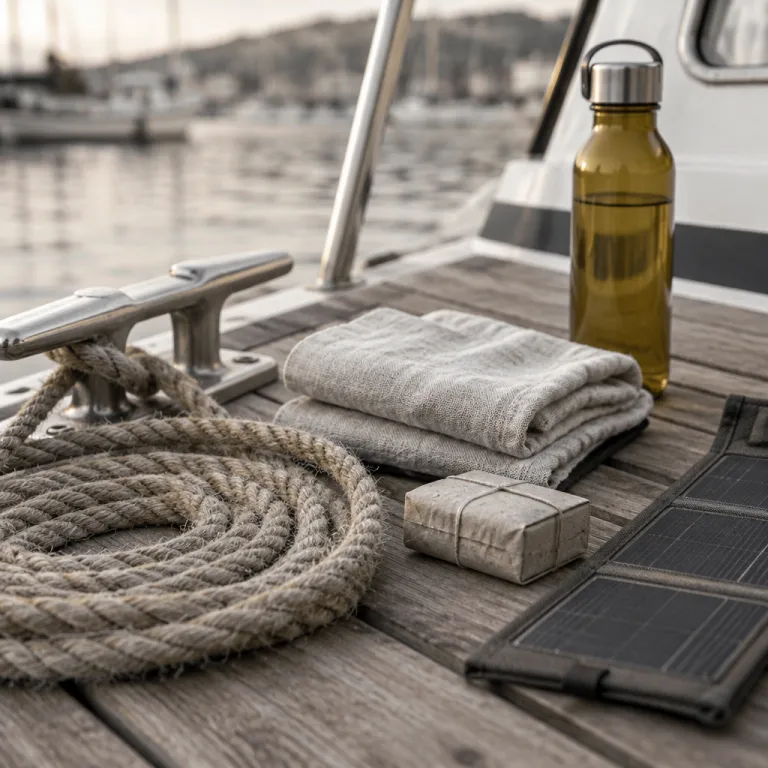
Some of the most interesting floating hotels are now built as hybrid or fully electric vessels, designed from the keel up for eco tourism and long term sustainability. These based floating projects often combine solar panels, efficient hull forms, and advanced insulation to reduce energy use, which aligns with the broader shift toward eco friendly hotels resorts that treat energy as a key resource rather than an invisible cost. If you want to understand what makes a boat stay truly green, guides such as solar panels, water recycling and local sourcing on boat stays offer a practical framework for reading between the marketing lines.
On the guest side, the water setting naturally encourages experiential travel instead of checklist tourism. You wake with the tide, watch working boats move through the harbour, and often meet local skippers or guides who are not part of a global hotel chain but of a small, place based business. When a floating hotel is run by an owner operator who lives nearby, the tourism development benefits tend to stay in the community, and the growth of this niche can support a more diverse tourism market that is not dominated by cruise ship arrivals.
Section 3 – The honest counterpoints ; impact, access, and greenwashing risks
Not every floating hotel is a win for sustainability, and World Tourism Day is the right moment to say that plainly. Moorings can damage riverbeds, grey water and sewage can stress fragile waterways, and the carbon footprint of flying to a remote yacht hotel can outweigh any eco friendly gestures on board. A sustainable tourism floating hotel only earns that description when its environmental impact across energy, water, and access is lower than a realistic land based alternative in the same tourism market.
London offers a useful case study, with properties such as the well known Sunborn London yacht hotel moored in the Royal Docks. This London yacht style property, like other floating hotels in major cities, benefits from existing public transport, dense urban services, and short transfer distances, which can reduce transport emissions for tourists compared with remote hotels resorts. Yet even in london, a credible sustainability strategy must address maintenance costs, hull coatings, shore power connections, and the way the hotel manages waste, recycling, and water treatment over the full durée of its business life.
Across international destinations, there is a rising demand for eco tourism language in marketing, and some cruise ship operators and floating hotels have responded with glossy sustainability pages that lack detail. To separate substance from spin, look for operators who publish a clear report on energy sources, waste systems, and local sourcing, and who link their sustainable tourism commitments to measurable growth in local employment rather than vague promises. For a deeper view on how water based stays can support regeneration rather than simple extraction, resources such as why floating hotels are betting on regenerative tourism explain how the tourism industry is rethinking its relationship with ports, rivers, and coastal communities.
Section 4 – How to choose a genuinely lighter-footprint floating stay
As World Tourism Day approaches, use your booking power as a quiet vote for better practice. When you compare a floating hotel with other hotels, start by asking about shore power, fuel type, and whether the property has any third party environmental certification or a publicly available sustainability report. A serious operator will treat these questions as a sign of an informed guest, not an inconvenience, and will be able to explain how their sustainable tourism floating hotel fits into local tourism development plans.
Next, look at how the hotel uses water and manages waste, because these are key pressure points for any floating hotels on rivers, lakes, or sheltered bays. Ask whether grey water is treated on board or on shore, how black water is handled, and whether cleaning products are genuinely eco friendly or just labelled as such for marketing. If the property claims to support eco tourism, check whether it partners with local guides, sources food from nearby producers, and offers slower, low impact activities instead of defaulting to fuel hungry excursions by speedboat or large cruise ship.
Your own behaviour matters as much as the hardware. Choose itineraries that minimise flights, stay longer in one place, and use public transport or bicycles when you move between the marina, the city, and nearby attractions, because this reduces both emissions and stress on local infrastructure. For practical planning, especially if you need to work while you travel, resources such as connectivity guides for floating hotel guests help you balance the romance of water based stays with the realities of bandwidth, which in turn can make a longer, slower trip feel viable.
FAQ
Are floating hotels more sustainable than traditional hotels on land ?
A floating hotel can be more sustainable than a land based hotel when it uses efficient hull design, renewable energy where possible, and robust water treatment systems. Its advantage is strongest in dense urban areas or ports where land is scarce and public transport is excellent, because this reduces both land use and transport emissions. However, if access requires long haul flights or if waste and fuel are poorly managed, the environmental benefits of floating hotels quickly erode.
What should I ask before booking a sustainable tourism floating hotel ?
Before you book, ask the hotel for a clear sustainability report that covers energy sources, water treatment, and waste management. Request details on whether the floating hotel uses shore power, how often hull maintenance occurs, and whether local suppliers are prioritised for food and excursions. You can also ask how the business contributes to tourism development in the community, such as employing local staff or supporting harbour conservation projects.
How do floating hotels handle water use and sewage safely ?
Responsible floating hotels install dedicated tanks for fresh water, grey water, and black water, and they either treat these on board or pump them to certified shore facilities. Many hotels on rivers and in ports must comply with strict environmental regulations that govern discharge, which helps protect local ecosystems. When in doubt, ask the hotel to explain its system in simple terms ; a transparent answer is a strong sign of good practice.
Is staying on a yacht hotel in a city like London a good eco choice ?
A yacht hotel in a major city such as london can be a relatively eco friendly option when it is connected to shore power, close to public transport, and integrated into existing urban infrastructure. Properties similar to Sunborn London benefit from short transfer distances and easy access to city services, which can reduce the need for taxis or private cars. The key is to combine that location advantage with your own low impact choices, such as walking, using the metro, and staying several nights instead of hopping between multiple hotels.
How is the tourism industry changing around sustainable water based stays ?
The tourism industry is seeing an increasing trend toward smaller, design led floating hotels and eco focused river vessels rather than only large cruise ship formats. This shift reflects rising demand from tourists for experiential travel, closer contact with local communities, and more transparent environmental practices. As this niche grows, regulators, harbour authorities, and hotel operators are collaborating more closely to align maintenance costs, safety standards, and sustainability goals so that rights reserved for waterways are respected while still allowing thoughtful tourism growth.