The new wave of accessible floating hotels for reduced mobility
Floating accommodation has long been seen as off limits for an accessible floating hotel for reduced mobility. Luxury operators now treat accessibility as core design rather than an afterthought, which changes what an accessible hotel on the water can be for a family trip. This shift lets guests with disabilities enjoy the same sea breeze, the same sunrise and the same calm roll of the hull as any other guest.
At the most accessible end of the spectrum sit stationary floating hotels moored permanently, where the property behaves almost like a land based hotel but with water views. These hotels can align closely with ADA accessibility standards in the United States, offering wide corridors, elevators and accessible rooms with level access from the quay to the ground floor deck. For many wheelchair users or people with limited mobility, these stable platforms are the most reassuring starting point for accessible travel on the water.
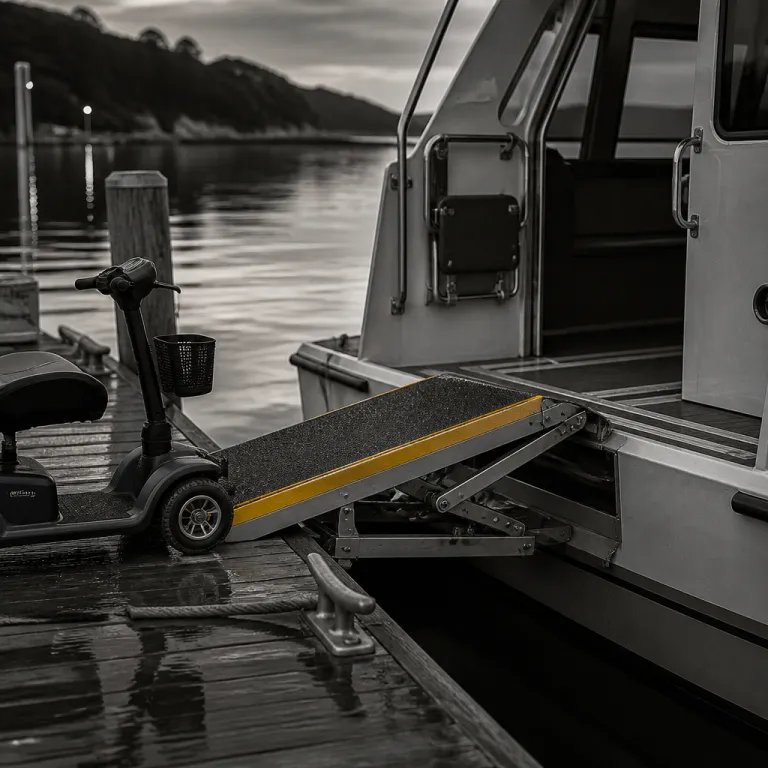
Mobile houseboats and yacht hotels introduce more motion, narrower passageways and steeper gangways, so accessibility features must be engineered more carefully. Some operators now include hydraulic gangways, roll in thresholds and guest rooms with adapted bathrooms that rival land based accessible rooms. When a hotel will commit to full transparency about deck gradients, door widths and emergency procedures, impaired guests can judge whether the stay will genuinely stay accessible from dock to cabin.
Stationary floating hotels by the beach: stability, space and smart design
For families planning an accessible floating hotel for reduced mobility near a beach, stationary properties offer the most predictable experience. These hotels are fixed to the quay, so traveling from car park to lobby to room feels familiar, and the gentle roll of the structure is usually minimal. That stability matters when guests use a wheelchair or walking aids and need consistent floor levels between public areas and guest rooms.
Look for an accessible hotel that publishes detailed accessibility features online, including ramp gradients, lift access and the exact number of accessible rooms on the ground floor and upper decks. The best hotels describe whether each accessible room has roll showers, showers with grab bars, lowered wardrobe rails and space to turn a wheelchair beside the bed. This level of clarity transforms trip planning from guesswork into a confident, enjoyable part of your travel routine.
Beachfront floating hotels can also excel at accessible travel beyond the building itself, especially when the property partners with local operators for wheelchair friendly beach mats or amphibious chairs. When a hotel will arrange these services in advance, guests with disabilities can move from accessible room to pool deck to beach with fewer barriers. For families eyeing a long weekend on the water, guides such as this end of summer boat stay planner help align seasonal conditions, tides and accessibility needs.
Mobile houseboats and yacht hotels: when motion meets accessibility
Once you move from fixed platforms to mobile houseboats and yacht hotels, the accessible floating hotel for reduced mobility becomes a more technical proposition. Gangways rise and fall with the tide, decks can be narrower and the roll of the vessel is more pronounced in open water. For some wheelchair users and impaired guests, that motion is part of the magic, while for others it complicates every transfer between dock and cabin.
On these vessels, the most important accessibility features often sit at the threshold between shore and ship, where a hotel will either excel or fail. Ask whether the property uses adjustable gangways with handrails on both sides, non slip surfaces and gradients suitable for a wheelchair friendly approach. Inside, accessible rooms should offer enough turning space, roll showers with fold down seats and showers with grab bars placed both vertically and horizontally for secure transfers.
Premium yacht hotels sometimes add thoughtful touches such as contrasting floor strips for visually impaired guests or smart lighting that guides a guest safely from room to corridor at night. Families booking a refined yacht style stay can review how a dedicated jet ski dock or water toy platform is integrated into the accessibility plan. When these details are aligned, traveling by water becomes a realistic option for people with disabilities who previously ruled out such a trip.
Inside the accessible guest room: bathrooms, layouts and subtle details
The heart of any accessible floating hotel for reduced mobility is the guest room, where privacy and safety intersect. On water, space is at a premium, so every centimetre of layout matters more than in many land based hotels. A well designed accessible room will feel intuitive, not clinical, and allow a guest to move from bed to bathroom to balcony without awkward manoeuvres.
Start by asking for floor plans of accessible rooms and, if possible, photos taken from wheelchair height rather than marketing angles. You want to see clear floor rooms with at least a one hundred and fifty centimetre turning circle beside the bed and in the bathroom. Bathrooms should feature roll showers with level entry, fold down seats, showers with grab bars on both sides and controls reachable from a seated position.
Thoughtful properties also include lowered peepholes, wardrobe rails and light switches, plus emergency pull cords that reach the floor in both the room and bathroom. On some cruise style floating hotels, accessible guest rooms cluster near elevators on the ground floor or lowest passenger deck to reduce reliance on stairs in an emergency. These details help a stay remain accessible even when traveling with children, luggage and mobility equipment for a longer trip.
What leading operators are doing for accessible boat stays
Large cruise brands have quietly become laboratories for the accessible floating hotel for reduced mobility, and their innovations are now influencing smaller water based hotels. Royal Caribbean, Celebrity Cruises, Princess Cruises, Holland America Line and Carnival Cruise Line all operate ships with accessible staterooms that include wider doors, roll in showers and adapted layouts. Their experience shows how a hotel will benefit when accessibility is integrated from the keel up rather than retrofitted.
Industry data indicates that a high percentage of modern cruise ships now offer accessible staterooms, reflecting rising demand for accessible travel among people with disabilities. These ships typically provide elevators with Braille signage, accessible public restrooms and visual and auditory alert systems that support impaired guests with different needs. On board, staff are trained to assist wheelchair users safely, from embarkation ramps to pool hoists, which sets a benchmark for smaller floating hotels to emulate.
For families considering a hybrid itinerary that mixes a stationary floating hotel with a short cruise, this cruise sector expertise can be reassuring. Official guidance often reminds passengers that "Features include wider doors, roll-in showers, grab bars, and lower sinks." When you see the same level of detail in a marina based property listing, you know the stay is more likely to stay accessible from check in to final disembarkation.
How to assess accessibility before you book a floating hotel
Choosing an accessible floating hotel for reduced mobility starts long before you arrive at the marina. Effective trip planning means treating accessibility as a series of links in a chain, from parking to gangway to room to beach or pool. If one link fails, the whole stay can become stressful for the guest and their family.
Begin by emailing the property with a precise checklist that covers gangway gradients, handrails, door widths, lift access and the exact number of accessible rooms. Ask whether accessible rooms are on the ground floor deck or higher floor rooms, and how evacuation works for wheelchair users or guests with limited mobility. Clarify whether bathrooms have roll showers, showers with grab bars and non slip flooring, and whether portable ramps or shower chairs are available on request.
Next, widen your view beyond the property to the wider accessible travel ecosystem around the marina or harbour. Can taxis accommodate a wheelchair, will the nearest beach offer accessible mats, and are restaurants along the promenade genuinely wheelchair friendly. For longer itineraries that combine several coastal stays, resources such as this guide to a refined floating hotel stay in the South Pacific can help you compare how different regions handle people with disabilities on the water.
Key figures shaping accessible boat stays
- Around eighty five percent of modern cruise ships worldwide now include accessible staterooms, according to the Cruise Lines International Association, which signals that large scale operators see accessibility as a core requirement rather than a niche request.
- An estimated seven hundred and fifty thousand passengers with disabilities take cruises each year, based on Cruise Lines International Association data, demonstrating substantial demand for accessible travel experiences at sea.
- Continuous investment in wider doors, roll in showers and assistive technologies on cruise ships is encouraging smaller floating hotels to adopt similar accessibility features, narrowing the gap between large vessels and intimate marina properties.
- Regulatory frameworks such as ADA requirements for public accommodations in the United States are increasingly interpreted to cover stationary floating hotels, pushing waterfront developers to integrate accessibility from the earliest design stages.
FAQ: accessible floating hotels and reduced mobility
What features should I expect in an accessible floating hotel room ?
An accessible floating hotel room should offer step free access, wider doors, clear turning space and a bathroom with a roll in shower. Look for showers with grab bars, fold down seats, handheld showerheads and controls reachable from a seated position. Lowered switches, emergency pull cords and space beside the bed for a wheelchair are also essential.
Are all floating hotels suitable for wheelchair users ?
Not all floating hotels are fully suitable for wheelchair users, especially older houseboats or small yacht conversions. Stationary floating hotels with modern construction are more likely to meet accessibility standards, while mobile vessels vary widely. Always request detailed measurements and photos, and confirm how you will board the property safely.
How far in advance should I request an accessible room on the water ?
Accessible rooms on floating hotels are limited, so request one as early as possible, ideally when you begin trip planning. Contact the hotel directly or work with a travel advisor who can confirm the booking in writing. Reconfirm your accessible room and any equipment needs a few days before traveling.
Can I enjoy beach access during an accessible boat stay ?
Beach access during an accessible boat stay depends on local infrastructure and hotel partnerships. Some marinas and seaside towns provide beach mats, amphibious chairs and accessible restrooms close to the sand. Ask whether the hotel will arrange these services and how you will move from the floating property to the beach safely.
What questions should I ask about safety and emergencies ?
Ask how evacuation works for guests with reduced mobility, including whether crew are trained to assist wheelchair users and impaired guests. Clarify where accessible rooms are located relative to muster stations and exits, and whether alarms include visual as well as auditory signals. Understanding these procedures helps ensure your stay remains both accessible and secure.