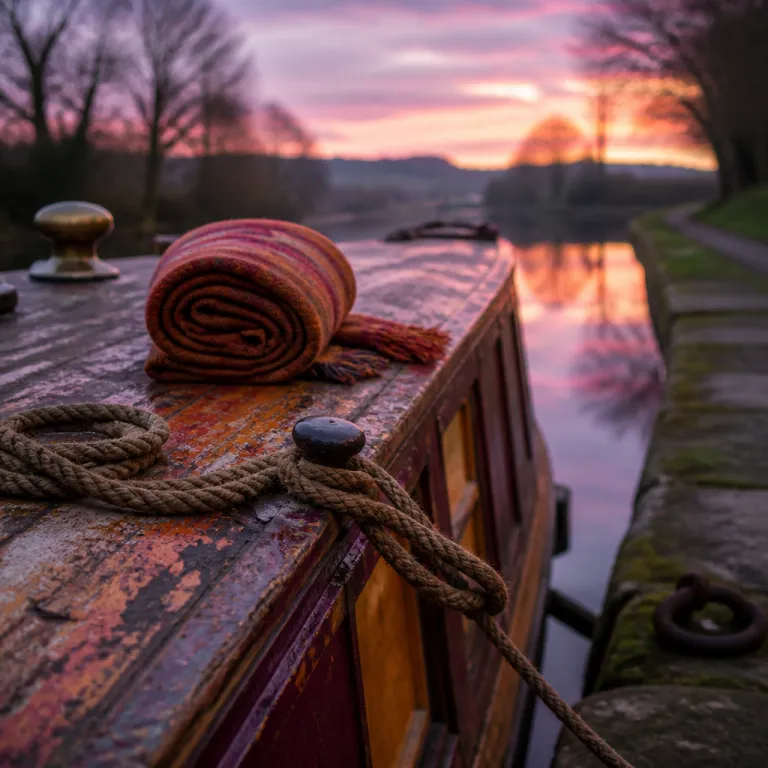
Why a Monmouthshire Brecon Canal heritage boat stay feels different
The Monmouthshire and Brecon Canal was engineered as an industrial artery, not a leisure playground. When Thomas Dadford Jr. laid out the original canal line for iron and coal, he could not have imagined couples sipping wine on quiet narrowboats in rural Wales. Yet a modern Monmouthshire Brecon Canal heritage boat stay still carries the weight of that working past along every lock gate and stone bridge.
Today this canal runs for about 35 miles through the Usk Valley, threading between Brecon and the rolling farmland of Monmouthshire with a measured, almost meditative pace. The waterway now sits within the Brecon Beacons National Park, officially renamed Bannau Brycheiniog National Park, which means your floating house is framed by protected hillsides and dark sky reserves rather than warehouses. A Monmouthshire Brecon Canal heritage boat stay therefore offers immersion in both national landscape and local memory, something newer marinas rarely match.
Couples who usually book design led city hotels often arrive from Cardiff or Abergavenny and are surprised by how quickly the rhythm shifts once the canal boat leaves the wharf. On this heritage brec canal, the speed limit is walking pace, and the soundtrack is more red kite than road house traffic. That slower movement is the quiet luxury here, turning a simple narrowboat holiday into a layered experience of history, landscape and waterborne calm.
From coal to couples: tracing the canal’s working heritage
This waterway began as a serious industrial project, built to move heavy loads rather than host romantic boat holidays. Tramroads once fed iron and coal down to the brecon canal, and the first coal cargoes pushed steadily towards Brecon Basin in Powys, where the town still meets the water at a compact marina style basin. That working story is now interpreted through heritage panels and community events that quietly enrich any Monmouthshire Brecon Canal heritage boat stay.
The Canal & River Trust describes the route succinctly in its own material : “A historic canal in Wales, completed in 1800, used for transporting industrial goods.” That same organization now maintains more than 2,000 miles of canals and rivers across England and Wales, including this monmouthshire brecon stretch. Their stewardship means couples can glide past limekilns, old wharf buildings and the elegant Brynich Aqueduct with confidence that the infrastructure beneath their narrowboat remains sound.
As you cruise near Goytre, the former goytre wharf complex shows how a working canal yard has evolved into a gentle leisure hub with café tables and boat hire pontoons. Farther along, the Five Locks at Pontypool and scattered road house style inns remind you that this was once a busy transport corridor. Reading about luxury barge journeys in Burgundy, such as those featured in specialist coverage of Belmond’s Marguerite, helps frame this Welsh route as part of a wider European heritage network, but the Monmouthshire and Brecon Canal keeps its own understated, upland character.
What a heritage narrowboat stay actually feels like
Step aboard a well kept narrowboat here and the first impression is intimacy rather than opulence. Your floating house narrowboat might measure under 20 metres, yet thoughtful joinery, good linens and a compact galley can feel as indulgent as a large suite when the beacons rise outside the window. On a Monmouthshire Brecon Canal heritage boat stay, luxury comes from proximity to the waterline and the ability to moor almost within touching distance of hedgerows and stone walls.
Most couples arrange boat hire in advance, choosing between classic canal boat layouts and more contemporary park boats with upgraded bathrooms and efficient heating. Operators based around Brecon, Goytre and other wharf locations offer both short day boats and longer narrowboat holiday itineraries, so you can match the duration to your own travel rhythm. Many fleets now include dog friendly boats, which allows guests to bring a four legged companion on towpath walks under the Bannau Brycheiniog skyline.
Compared with urban houseboats such as the high design units moored off Manhattan, profiled in coverage of Flohom’s luxury houseboats on the New York skyline, this Welsh experience feels quieter and more elemental. Evenings are usually spent moored near a village house or small road house pub, with the silhouette of the brecon beacons or the softer hills of mon brec reflected in the still canal water. The result is a kind of low key, high comfort experience that suits couples who value privacy, landscape and a strong sense of place.
Route planning: from Brecon Basin to Goytre Wharf and beyond
Planning a Monmouthshire Brecon Canal heritage boat stay starts with choosing your base, and for many couples that means either Brecon Basin or goytre wharf. Brecon itself sits at the northern end of the navigable brec canal, with the compact brycheiniog brecon theatre and arts centre close to the water, giving a cultural edge to your first night afloat. From here the canal threads south through the Usk Valley, offering a sequence of quiet moorings, stone bridges and occasional park boats tied up beside cottage gardens.
Goytre, by contrast, feels more like a self contained marina village, with historic limekilns, woodland trails and a cluster of boat hire pontoons around the central wharf. Couples starting here can head north towards Brecon, passing under the beacons national skyline of the brecon beacons and Bannau Brycheiniog, or explore shorter sections ideal for long weekend boat holidays. The national park setting means that even modest day boats enjoy views that many alpine resorts would envy, especially in the softer light of early morning or late evening.
Whichever direction you choose, aim for a daily cruising distance of 6 to 8 miles, which keeps the pace relaxed and leaves time for towpath walks or pub lunches. Some guests like to combine a Monmouthshire Brecon Canal heritage boat stay with other water based experiences, such as watching fireworks from a houseboat in major cities, using guides to the best places to watch fireworks from the water as inspiration for future trips. Here in rural Wales, though, the night time spectacle is more likely to be a clear dark sky over the canal and the quiet outline of a narrowboat reflected in the water.
Hidden heritage moorings and practical tips for couples
One of the quiet pleasures of a Monmouthshire Brecon Canal heritage boat stay lies in the semi secret mooring spots that regulars guard carefully. Between Brecon and Abergavenny you will find stretches where the canal curves away from the road house network, leaving only birdsong, distant farm noise and the occasional passing narrowboat. These informal laybys often sit near footpaths into the hills, giving direct access to the wider national park and its Bannau Brycheiniog ridgelines.
For couples seeking a refined yet relaxed narrowboat holiday, it pays to think like a seasoned skipper rather than a hotel guest. Check where water points, refuse stations and recognised park boats moorings sit along your chosen brecon canal section, then plan overnight stops that balance practicality with atmosphere. Some of the most rewarding nights are spent just short of a village, where you can walk in for supper and return to a quiet canal boat under the stars instead of sleeping beside a busy marina.
Practicalities matter on this heritage route, especially for guests new to boats. Pack layers for cool evenings on deck, bring non slip shoes for working locks, and confirm in advance whether your chosen hire fleet offers dog friendly options if you are travelling with a pet. With thoughtful preparation, a Monmouthshire Brecon Canal heritage boat stay becomes less about ticking off sights and more about inhabiting a moving house on water, framed by the beacons, the fields of Monmouthshire and the enduring industrial lines first set out by Thomas Dadford Jr.
FAQ
What is the Monmouthshire and Brecon Canal ?
The Monmouthshire and Brecon Canal is a historic waterway in Wales that was originally built to transport iron and coal between upland industries and lowland markets. It now operates as a leisure canal, running for about 35 miles through the Usk Valley and the Bannau Brycheiniog National Park. For modern travellers, it offers a calm setting for narrowboat holidays, walking, cycling and heritage focused boat tours.
How long should a Monmouthshire Brecon Canal heritage boat stay last ?
Couples typically find that three to seven nights works well for a Monmouthshire Brecon Canal heritage boat stay. A long weekend allows you to explore one section thoroughly, perhaps between Brecon Basin and goytre wharf, while a full week gives time to settle into the slower canal rhythm. The key is to plan modest daily cruising distances so that locks, moorings and towpath walks never feel rushed.
What activities are available besides boating ?
Beyond boating, the canal corridor supports an easy mix of walking, cycling and heritage visits. Waymarked paths link the towpath to viewpoints in the brecon beacons and Bannau Brycheiniog, while historic features such as limekilns, aqueducts and old wharf buildings add interest at water level. Many guests also combine their narrowboat holiday with visits to local markets, farm shops and cultural venues in Brecon or Abergavenny.
Is the canal suitable for first time boaters ?
The Monmouthshire and Brecon Canal is generally considered a gentle introduction for first time boaters, thanks to its rural setting and relatively low traffic. Reputable hire operators provide thorough handovers, explaining how to handle the narrowboat, work locks and moor safely along the brec canal. As long as you travel slowly, respect other boats and follow Canal & River Trust guidance, a first voyage here can feel both manageable and rewarding.
When is the best season for a romantic canal boat break ?
Milder months offer the most comfortable conditions for a romantic Monmouthshire Brecon Canal heritage boat stay, with longer daylight hours and more stable weather. Spring brings fresh greenery along the towpath, while late summer and early autumn often deliver softer light over the beacons and quieter moorings. Whenever you travel, packing layers and planning flexible daily routes will help you adapt gracefully to the changeable Welsh climate.