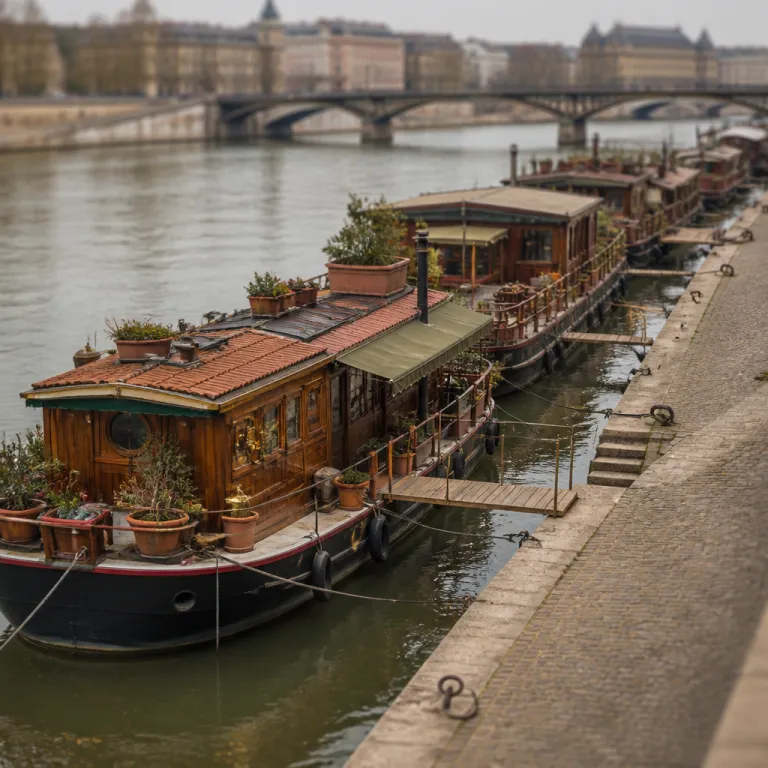
Danube houseboat Vienna Budapest guide for independent couples
The Danube houseboat Vienna Budapest guide starts with geography and mood. This river runs for about 2,850 km through ten countries, and every bend changes the light, the language and the pace of your trip. When you choose a houseboat instead of a standard river cruise, you trade fixed schedules for time that moves with the current.
Between Vienna and Budapest the Danube river feels both urban and pastoral. One day you are moored on the Donaukanal with tram bells and café chatter, and the next days you are anchored near a Wachau Valley vineyard with only church bells and bike tours passing along the towpath. This stretch is ideal for a slow travel itinerary where each city becomes a chapter, not just a stop on a long cruise.
Most travelers know this corridor through large river cruises that glide from Passau to the Black Sea. Those ships offer efficient sightseeing, but they rarely let you linger in a single city or stay out late on a Budapest boat terrace. A curated itinerary for small Danube houseboats between Vienna and Budapest focuses instead on compact vessels, flexible days on the water and the kind of river time that lets couples design their own tour.
Houseboat owners along the Danube are increasingly positioning their boats as floating hotels. Their goal is simple: provide alternative lodging that keeps you close to the water while you explore each city on foot, by tram or by bike. This rise in houseboat tourism aligns with a broader interest in sustainable travel, where the river itself becomes both your address and your main sightseeing axis.
From an operational perspective, planning a houseboat trip between Vienna and Budapest follows a clear timeline. You book online or via direct contact with owners, you check in at the marina, you cruise or stay moored depending on your license, and you check out after your chosen duration days. The key is to verify boat amenities in advance, because comfort on the river Danube means different things in Vienna, Budapest or smaller Austria Hungary ports.
Vienna from the water: Donaukanal moorings and riverfront stays
Vienna meets the Danube in layers, and each layer offers a different kind of stay. The inner Donaukanal cuts close to the historic city, while the main Danube river flows wider and more industrial a few kilometres away. For couples using this Vienna to Budapest houseboat guide, the Donaukanal usually offers the most atmospheric base.
Several floating hotels and private boats line the Donaukanal between Schwedenplatz and Spittelau. From a mooring here you can walk into the city centre in under fifteen minutes, or take a short bike tour along the canal to reach contemporary galleries and riverside bars. At night, the water reflects neon from the quay, and your boat feels like a quiet balcony above the city’s low murmur.
On the main Danube Vienna stretch, marinas near the Reichsbrücke and the Danube Island offer more space and calmer water. These berths suit larger houseboats with generous decks, ideal for longer duration days when you want to combine remote work, slow travel and occasional sightseeing. You are slightly farther from the historic core, but metro lines and bike paths make the trip into Vienna efficient.
Luxury minded travelers should look for boats with high quality insulation, proper heating and strong Wi Fi. Vienna’s seasons can be sharp, and any premium river Danube itinerary for couples always stresses comfort over novelty. Before booking, read reviews that mention noise levels from nearby bridges, because the wrong berth can turn a romantic night into a restless one.
Language rarely becomes a barrier in Vienna marinas. Most owners and tour operators speak English, and many also handle English German bilingual communication with ease. If you are used to urban floating stays like the luxury houseboats showcased in New York style houseboat concepts, Vienna will feel familiar in its mix of design, culture and efficient infrastructure.
Budapest afloat: thermal lights, ruin boats and Danube views
Budapest lives closer to its river than almost any Central European city. The Danube cuts between Buda’s hills and Pest’s grand boulevards, and from a well placed houseboat you read the skyline like a history book. For couples following a Danube houseboat itinerary between Vienna and Budapest, this is where the river becomes theatre.
Most floating accommodation in Budapest clusters near the Margaret Bridge and the Petőfi Bridge. From these moorings you can walk into the city within minutes, or join short boat tours that circle the Parliament building and the Chain Bridge at night. The reflections from the Buda Castle and the thermal baths turn a simple cruise into a moving light show.
Beyond classic sightseeing, Budapest has developed a playful floating scene. Some former working boats now host ruin bar style decks, echoing the city’s famous ruin pubs but with Danube breezes instead of courtyard air. A few premium Budapest boat properties blend this energy with quieter cabins below deck, giving couples a choice between late night music and early morning river calm.
When you compare Budapest Vienna itineraries, Budapest often feels more bohemian and less formal. Prices for moorings and services can be lower than in Vienna, which allows you to extend your duration days without stretching the budget. That extra time means more chances to try Hungarian cuisine, from paprika rich stews to refined tasting menus along the Budapest Danube embankment.
For those considering a longer Austria Hungary loop, Budapest also works as a base for excursions to the Danube Bend and towards the Hungary Slovakia border. Day tours by boat or train reach Szentendre, Visegrád and Esztergom, where the river narrows and the hills close in. If you enjoy the mix of city glamour and waterline living, you may also appreciate the urban yacht energy described in guides to Monaco street yacht experiences.
Between capitals: Wachau Valley, Danube Bend and cross border routes
The stretch between Vienna and Budapest is not just a transfer; it is the heart of any serious slow travel route on the middle Danube. Here the river slows, vineyards climb the slopes and small towns offer moorings that feel a world away from big city lights. Couples who treat this corridor as a destination, not a gap, are rewarded with some of Europe’s most gentle river days.
Upstream from Vienna, the Wachau Valley between Krems and Melk is a UNESCO listed landscape of terraced vines and apricot orchards. Many river cruises glide through in a single day, but a private boat tour or houseboat stay lets you linger in villages like Dürnstein or Spitz. You can step off your boat, join local wine tastings, then return to a deck that smells faintly of stone and river.
Downstream from Budapest, the Danube Bend near Visegrád and Esztergom offers a different drama. The river curves sharply, framed by forested hills and castle ruins, and small marinas provide moorings for visiting boats. This is an ideal area to combine a short bike tour along the riverbank with a relaxed afternoon on deck, watching kayaks and small tour boats pass.
Cross border routes add another layer of interest. A longer itinerary might link Austria Hungary and Hungary Slovakia segments, with stops in Bratislava or Komárno before or after your Vienna Budapest core. Some travelers even extend towards Passau in Germany or the Czech Republic borderlands, using the Danube as a spine for a wider Central European trip.
Because the Danube flows through or borders ten countries, regulations and facilities vary. Tour operators and houseboat owners often partner with local tourism boards to coordinate safe routes and reliable moorings. When planning, check local regulations, plan routes in advance and verify boat amenities, especially if you intend to cruise rather than remain in a fixed city berth.
Licenses, logistics and language: how to operate or charter on the Danube
Practicalities can make or break a Danube houseboat Vienna Budapest guide, especially for couples considering self skippered options. The first question is always the same: can you actually pilot your own boat on this river. The official answer is clear and worth quoting in full.
“Do I need a license to operate a houseboat on the Danube? Requirements vary by country; check local regulations.” That single sentence shapes how you plan your duration days between Vienna, Budapest and beyond. In Austria, for example, sections of the Danube river require a recognised inland waterways license, while in parts of Hungary and Slovakia smaller boats may operate under more flexible rules.
If you prefer not to handle navigation, many tour operators offer skippered boat tours or stationary houseboat stays. In Vienna and Budapest you can book a river cruise style experience for a single day, then return to a moored houseboat that functions as your hotel. This hybrid model suits couples who want the romance of movement without the responsibility of reading navigation maps or managing locks.
Language along the Danube is rarely a barrier for American travelers. Most marinas, rental agencies and tour companies operate comfortably in English, and many crews switch between English German and local languages with ease. Written safety information on larger river cruises usually appears in multiple languages, while smaller houseboat owners often provide personalised briefings.
Booking tools have become straightforward. You can reserve through specialised platforms, contact houseboat owners directly or work with agencies that curate premium river Danube stays. When comparing options, look beyond glossy photos and read reviews that mention maintenance, heating, air conditioning and noise, because these details define whether your trip feels luxurious or merely scenic.
Food, wine and movement: pairing houseboat stays with active city days
Life on a Danube houseboat Vienna Budapest guide is not only about the cabin. It is about how you step off the gangplank into a city, then return to the river with stories and flavours. The best itineraries balance quiet mornings on deck with active afternoons and long dinners ashore.
In Vienna, a classic day might start with coffee on the bow, followed by a tram ride to Schönbrunn Palace for imperial architecture and manicured gardens. Later you could join one of the many bike tours that trace the riverbank, crossing bridges and weaving through parks before returning to your boat at sunset. Evenings lend themselves to refined dining, from heuriger wine taverns in Grinzing to contemporary restaurants near the Donaukanal.
Budapest invites a different rhythm. You might begin with a soak in a thermal bath, then take a short city sightseeing tour that covers Buda Castle, the Great Market Hall and the Parliament. After lunch, a relaxed boat tour on the Budapest Danube section offers a fresh perspective on landmarks you saw from land, and by night the riverfront becomes a string of illuminated terraces.
Active travelers can easily integrate longer bike tours into their trip. The EuroVelo 6 route follows the Danube from Passau through Vienna, Bratislava and Budapest, making it simple to combine cycling and houseboat stays. Some couples choose to ride a bike tour between cities while their luggage remains on a boat that relocates by river cruises or local transport.
For those who love festive atmospheres, timing your travel with riverfront events can be rewarding. Fireworks, regattas and cultural festivals often centre on the water, and watching them from a private deck feels both exclusive and relaxed. If you enjoy this kind of celebration from the water, you may appreciate broader guides to watching fireworks from a houseboat, which translate surprisingly well to Danube evenings.
Key figures for Danube houseboat stays between Vienna and Budapest
- The Danube river runs for about 2,850 km, and the Vienna to Budapest segment represents a compact yet diverse corridor of roughly 300 km that is manageable within several duration days for slow travel couples (International Commission for the Protection of the Danube River).
- The river flows through or borders ten countries, which means a single extended trip can link Austria, Hungary, Slovakia and even the Czech Republic borderlands, creating a multi country itinerary without long overland transfers (International Commission for the Protection of the Danube River).
- Floating accommodation on the Danube benefits from Europe’s strong position in the floating hotels market, where heritage waterways and urban tourism drive demand for premium river stays between Passau, Vienna and Budapest (Floating Hotels Market report by Coherent Market Insights).
- Houseboat rentals on the Danube operate year round, but the most comfortable seasons for Vienna Budapest routes usually span late spring to early autumn, when water levels, temperatures and daylight hours favour both cruising and bike tours along the banks.
- Typical city based boat tours in Vienna or Budapest last from one to three hours, while multi day river cruises between Passau, Vienna and Budapest often run for seven to ten days, giving houseboat travelers a clear benchmark when planning their own duration days on the river.
FAQ about houseboats on the Danube between Vienna and Budapest
Do I need a boating license to rent a houseboat on the Danube?
License requirements depend on the country and the size of the boat. On some stretches of the Danube in Austria and Hungary you need an inland waterways license, while in other areas smaller boats can be operated after a safety briefing. Always confirm local rules with your rental agency or tour operator before finalising your booking.
Are Danube houseboats between Vienna and Budapest equipped with modern amenities?
Most houseboats on this corridor offer hotel style comforts such as private bathrooms, heating, air conditioning and Wi Fi. Luxury units may add larger decks, high end bedding and better sound insulation, which matter in busy city marinas. Ask owners detailed questions and read recent reviews to ensure the amenities match your expectations.
How many days should couples plan for a Vienna to Budapest houseboat trip?
A focused city to city itinerary can work in five to seven days, with at least two nights each in Vienna and Budapest plus one or two nights in smaller ports. Travelers who want to include Wachau Valley wine tastings, Danube Bend hikes and bike tours often extend to ten duration days. The more time you allow, the less your trip will feel like a rushed river cruise.
Can I combine cycling with a Danube houseboat stay?
Yes, the Danube cycle paths make it easy to pair bike tours with river accommodation. Many marinas near Vienna, Bratislava and Budapest offer secure bike storage, and some rental agencies provide bicycles with the boat. You can plan day rides from a fixed mooring or design a longer bike tour that follows the river while your luggage remains on the houseboat.
Is a Danube houseboat stay suitable for first time visitors to Central Europe?
For many couples, a houseboat between Vienna and Budapest offers an ideal first look at Central Europe. You stay close to major sightseeing areas while enjoying a calm base on the water, and English is widely spoken in both cities and along main tourist routes. As long as you choose skippered options or respect license rules, the experience feels both accessible and distinctive.