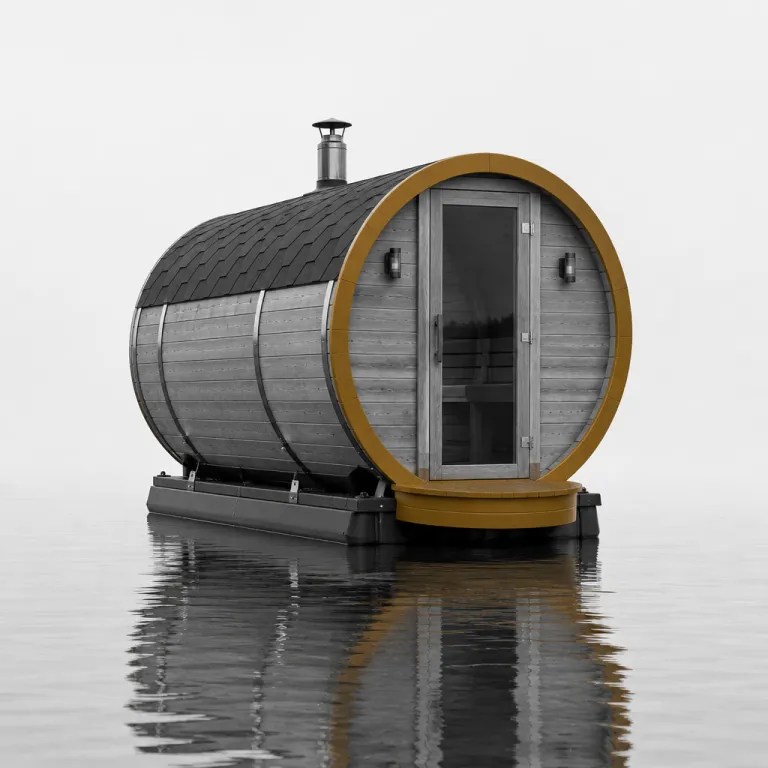
The new appeal of a floating sauna wellness boat stay
A modern floating sauna stay shifts the focus from sleep to ritual. Couples step aboard not just for a hotel night, but for an immersive sauna experience where heat, water and silence work together in rhythm. This kind of wellness boat stay turns the harbor itself into the spa, letting each person feel the city or the bay from the calm of the steam room.
Across northern Europe, the roots lie in Nordic sauna traditions that treat heat as medicine and the river or sea as the natural cold plunge. In Finland, for example, Visit Finland estimates there are more than three million saunas for a population of 5.6 million, and many sit directly on lakes or sheltered bays. That same sauna culture now shapes premium floating hotels in urban harbors, quiet lakes and protected inlets, where guests move from wood fired cabins to open decks in a slow, deliberate day experience. The result is a series of floating saunas that feel both communal and deeply private, especially suited to couples who want health wellness without a crowded resort.
On a well run floating sauna, the main content of your stay is simple: you alternate heat and water. You sit in the kiln like warmth of the cabin, then step outside to plunge into the river or the bay, letting the cold bite before returning to the rhythm heat of the stove. Over time, these repeated sauna experiences calm the nervous system and encourage a slower style of travel that aligns with the wider slow tourism movement and current wellness research on contrast therapy.
Harbor cities from the Baltic to the Pacific Northwest now host floating saunas that operate more like intimate clubs than day spas. In Oslo, Helsinki and Tallinn, for instance, harbor saunas limit numbers so that guests share the space with only a handful of people at a time. Some are moored beside design forward hotel properties, while others function as independent wellness boats that guests book for private sessions. Either way, the experience book process increasingly mirrors a premium hotel reservation, with clear privacy policy pages, detailed descriptions of the sauna experience and transparent information about water quality for safe plunging.
For couples used to land based wellness resorts, the first night on a floating sauna can feel surprisingly elemental. You hear the slap of water against the hull, smell the resin of wood fired stoves and watch harbor lights blur through steam. That sensory mix is what sets these experiences apart from standard hotel spas, and it is why more guests book them as the centerpiece of a trip rather than an add on.
Nordic roots, global waters: from river barges to harbor sanctuaries
The modern floating sauna traces its lineage to the Nordic sauna, where heat and cold water have long been part of everyday life. In Finland and Sweden, families share saunas on lakeside piers, then walk straight into the water or roll in snow for a bracing cold plunge. That culture has migrated onto boats, creating floating saunas that carry the same rituals into city harbors and working rivers.
In the Baltic region, you now find sauna barges moored in sheltered bays, their wood fired stoves glowing while guests sit wrapped in towels, watching ferries slide past. Similar concepts have reached the Pacific Northwest, where floating saunas sit in marinas framed by forested hills and long tidal rivers. In Seattle’s Salmon Bay and Portland’s Willamette River, for example, small operators run evening sessions that pair the sauna experience with simple food drink boards and herbal teas, turning a two hour session into a full evening for couples who value unhurried time together.
North America has embraced the idea in its own way, from Great Lakes harbors to inland rivers in states such as Wisconsin. In Door County, Wisconsin, and along the St. Croix River, a floating sauna wellness boat stay might mean a converted barge with a compact cabin, a ladder into clear water and a deck just big enough for two loungers. The focus remains the same: heat water cycles, quiet conversation and a sense that your travel experiences are anchored in one place rather than scattered across a busy itinerary.
Slow travel advocates often point to long stays on a single vessel as a way to reset habits, and extended time on a floating hotel reinforces that message. One detailed reflection on what three weeks on a floating hotel taught a traveler about slow travel shows how staying put on the water can change your sense of pace and presence. A floating sauna wellness boat stay builds on that idea, adding structured rituals of heat and cold that give each day a clear, calming rhythm.
Because these concepts are spreading quickly, couples should read the main content of each listing carefully and not simply skip main details about safety or etiquette. Look for operators who explain their sauna culture, outline how many guests share the space and specify whether sessions are communal or private. That level of transparency signals a mature approach to wellness afloat rather than a trend driven add on.
Why water amplifies wellness: rhythm, isolation and the cold plunge
Water changes the way a sauna feels, and that is the quiet secret of a floating sauna wellness boat stay. On land, you step from heat to a shower; afloat, you move from the kiln like warmth of the cabin straight into open water. That immediate cold plunge intensifies the sauna experience and anchors you firmly in the present moment.
The gentle motion of a harbor or river also works on the nervous system, especially when combined with the steady rhythm heat of a wood fired stove. Couples often report that ten minutes in a floating sauna feels more restorative than a longer session in a land based spa, simply because the sound of water and the sway of the hull encourage deeper relaxation. Over time, repeating these cycles during a day experience can help reset sleep patterns and reduce the mental noise that often follows busy travel.
Isolation plays a role too, particularly when the boat sits slightly apart from the main marina or hotel pier. You cross a short gangway, close the door and suddenly the city becomes a distant hum, leaving only the hiss of heat water on the stones and the occasional call of seabirds. That separation makes it easier for each person to unplug from devices and lean into the health wellness benefits of being offline together.
For couples, the communal aspect is carefully controlled; you can choose private sessions where only two guests share the cabin, or small group slots that introduce you to like minded travelers. Either way, the best operators manage numbers so that floating saunas never feel crowded, preserving the sense of sanctuary that defines a premium experience. When guests book, they should check how many people the sauna holds, whether lifebuoys and ladders are visible in photos and whether time slots are staggered to avoid overlap.
These same principles extend to longer wellness journeys afloat, such as multi day catamaran charters that weave sauna stops into sailing routes. A curated catamaran charter in the Bahamas to learn to sail in style, for example, can be paired with simple heat and water rituals on deck, even without a formal sauna. The key is the same: use the water as both playground and therapy, and let the boat set the pace of your travel experiences.
Formats on the rise: spa barges, wellness houseboats and digital detox stays
Not every floating sauna wellness boat stay looks alike, and that variety is part of the appeal for repeat travelers. Some couples prefer compact spa barges that focus purely on the sauna experience, with a single cabin, a plunge ladder and a small deck for cooling off. Others gravitate toward larger wellness houseboats where the sauna sits alongside a bedroom, a lounge and a modest food and drink offering.
In many harbors, operators now run fleets of floating saunas, each tailored to a slightly different style of stay. One boat might feature a traditional Nordic sauna with a wood fired stove and simple benches, while another offers a more contemporary design with large windows over the bay and integrated sound systems. These floating saunas can be booked for short day experiences or as part of overnight hotel packages, giving couples flexibility in how deeply they weave wellness into their travel.
Digital detox packages are also emerging, using the natural disconnection of a mooring to encourage guests to log off. A typical format might include a clear privacy policy that explains how devices are stored, scheduled sauna sessions that structure your time and optional guided rituals that help you experience and discover the benefits of being unreachable for a few hours. When guests book such stays, they should check whether emergency contact options exist so that the retreat feels safe as well as secluded.
Some of the most atmospheric concepts use kiln floating designs, where the sauna cabin resembles a traditional kiln with thick walls and a deep, even heat. Inside, the rhythm heat is softer and more enveloping than in metal stoves, which many couples find ideal for longer conversations and unhurried reflection. These boats often sit on quieter stretches of river or in tucked away corners of a harbor, where the only sounds are lapping water and the occasional passing kayak.
Whatever the format, the best operators treat the sauna as the heart of the stay rather than a token amenity. They train staff to explain sauna culture, guide first time users through heat water cycles and manage communal etiquette so that every person feels comfortable. That attention to detail separates a true wellness afloat experience from a simple novelty boat rental.
How to choose and book a floating sauna wellness boat stay
Selecting the right floating sauna wellness boat stay starts with clarity about what you want from the experience. Couples should decide whether they prefer a pure day experience focused on sauna rituals or an overnight stay where the boat functions as a full hotel suite. From there, the practical questions of water quality, heating systems and privacy become easier to navigate.
Always check how the operator tests the water around the boat, especially if you plan to use the river or bay for repeated cold plunges. Reputable providers publish basic data or at least explain their process in the main content of their listing, rather than asking you to skip main safety details. In many harbor cities, water is tested weekly in summer and less often in winter; if information is vague, ask directly how often the water is monitored and whether there are any seasonal advisories.
Heating is another key factor, particularly in cooler climates such as the Pacific Northwest or northern Wisconsin. Wood fired stoves create a distinctive aroma and a softer rhythm heat, but they require more skill to manage and can vary in intensity over time. Electric or hybrid systems offer more precise control, which some guests prefer for longer sauna experiences where temperature consistency matters.
Privacy and capacity shape the mood of your stay, so read how many guests share the sauna at any given time. If you want a romantic retreat, look for sessions capped at two to four people, or options where guests book the entire boat for a fixed time slot. Clear schedules, transparent pricing and a straightforward experience book process are all signs of a well run operation.
Finally, review the privacy policy and house rules with the same care you would apply to any premium hotel reservation. Responsible operators explain how they handle personal data, outline expectations for communal behavior and specify what food and drink you may bring or order on board. Taking a few extra minutes at the planning stage ensures that, once you step onto the deck, all that remains is the simple pleasure of heat, water and shared time afloat.
FAQ
What should couples expect from their first floating sauna session ?
Expect a sequence of short heat and cold cycles, usually eight to fifteen minutes in the sauna followed by a brief cold plunge or cool down on deck. Staff typically explain basic sauna culture, including how to pour water on the stones and when to step outside. Most boats provide towels and drinking water, but you should bring swimwear unless the operator clearly states a different policy.
How safe is it to use open water for a cold plunge ?
Safety depends on water quality, temperature and access points, so reputable operators monitor local conditions closely. Look for clear information on testing, safe entry ladders and any seasonal restrictions on swimming. If you have cardiovascular issues or are pregnant, consult a medical professional before combining intense heat with very cold water.
Can non swimmers enjoy a floating sauna wellness boat stay ?
Non swimmers can still enjoy the heat and views, as plunging into deep water is optional. Many boats offer cold showers or shallow dipping areas on deck as alternatives to full immersion. If you are nervous around water, choose a larger, more stable vessel and let the crew know your concerns in advance.
How long should a typical sauna session last during a stay ?
Most couples find that two to three rounds of heat and cooling, spread over ninety minutes, provide a satisfying experience without overtaxing the body. On overnight stays, you can repeat shorter sessions throughout the day, always listening to how you feel. Hydration and rest between rounds are as important as the time spent in the heat itself.
What should guests look for when booking a wellness focused boat hotel ?
Prioritize clear descriptions of the sauna facilities, water access and maximum guest numbers during each time slot. Check photos for safe entry points into the water and read reviews that mention cleanliness, staff guidance and overall atmosphere. A transparent booking process, visible privacy policy and responsive communication are strong indicators of a trustworthy wellness operator afloat.