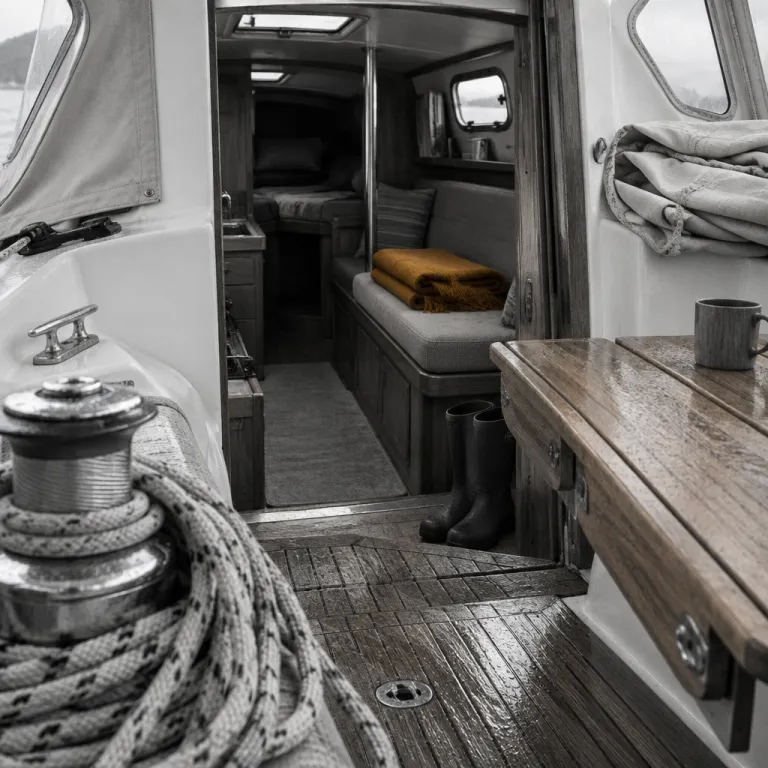
What a season aboard really offers compared with a rental
Living aboard for a seasonal long stay changes how you relate to place. A well chosen boat at a calm marina gives you a slower base, a smaller footprint and the quiet drama of changing light on the water. Life onboard feels less like a themed escape and more like a deliberate way of living when you commit to a full time month or more.
On a liveaboard boat, the view is not fixed ; the boat will pivot with wind and tide, so your daily living experience includes subtle shifts that a static apartment cannot match. You wake to gulls, check shore power at the pedestal, glance at the heating cooling panel and only then open your laptop for work. That rhythm of daily life, with systems checks woven into emails and calls, defines the liveaboard experience for many remote professionals.
Compared with a coastal rental, living spaces aboard are compact yet surprisingly refined in premium yachts and high end boats. A well designed suite on a live boat might offer 20 to 30 square metres, but every centimetre of space is planned for storage, maintenance access and comfort. If you value proximity to fresh water, the marina quay and the low thrum of harbour life more than a large lounge, living aboard for a season can feel like an upgrade rather than a compromise.
Economics of a seasonal liveaboard stay
For many snowbirds, the appeal of living aboard seasonal long stay options begins with the numbers. A marina based liveaboard boat booked on a monthly plan often bundles mooring, shore power allowance and basic fresh water into a single rate. Compared with a seaside rental, you trade square metres of space for a more layered living experience that includes harbour services and access to the water itself.
Luxury and premium operators usually structure seasonal rates around boat size, marina location and the level of onboard systems. A larger suite on a 20 metre yacht with advanced heating cooling and high capacity storage solutions will sit at the top of the range, while smaller liveaboard boats with simpler systems come in lower. Utilities matter ; shore power overages, extra fresh water, pump out services and Wi Fi for work can all be itemised, so you should read what is bundled into the live aboard contract with the same care you would apply to a long term lease.
Timing also shapes value. Shoulder season on the water often brings quieter marinas and more flexible long stay negotiations, which is why many seasoned guests look at shoulder season liveaboard opportunities before committing to peak dates. When you compare a year round coastal rental with a three month liveaboard experience, remember to factor in maintenance handled by the operator, cleaning, linen changes and the intangible worth of stepping straight from your living spaces onto the pontoon each morning.
Who thrives with a season on the water
Not every traveller is suited to living aboard for a seasonal long stay, and that is precisely the point. The guests who thrive tend to be remote capable professionals, semi retired snowbirds and writers or creatives who can fold work into a slower daily life. They value the intimacy of life onboard, the gentle constraint of limited storage and the way a marina community quietly shapes their days.
For executives extending business trips into leisure, a liveaboard boat can function as both suite and studio. You work at the saloon table with shore power humming, then step out to the deck for calls as the water shifts around the hull. Retirees often choose boats and yachts with generous living spaces, easy access from the pontoon and reliable heating cooling, then settle into a pattern of walking the quay, chatting with neighbours and planning maintenance free excursions ashore.
Accessibility matters too, especially for longer stays. Some premium operators now offer accessible boat stays for guests with reduced mobility, where choosing boat layouts with wide side decks, minimal steps and thoughtful storage solutions makes life onboard more practical. If you are curious but unsure about the liveaboard experience, consider your tolerance for compact space, your need for routine and how much you enjoy the sensory presence of water before you book a full time season.
Practical realities of life onboard for a season
The romance of living aboard seasonal long stay arrangements only holds if the practicalities work. Laundry, provisioning, receiving parcels and staying connected for work all need a clear plan before you commit to a liveaboard boat. Start by asking the marina what services are on site and which ones require a short walk or taxi ride into town.
For daily life, most premium marinas now offer shore power, high pressure fresh water on the pontoon and Wi Fi strong enough for video calls, but signal quality can vary with boat size and position. Many long stay guests add a mobile hotspot as a backup system, treating connectivity like any other critical onboard systems. Mail and deliveries usually route through the marina office ; your suite number becomes the boat name, and the équipe at reception will hold packages until you step ashore.
Provisioning shapes the rhythm of experience living on the water. Some snowbirds plan a weekly market run, using the boat galley for most meals and treating restaurants as a deliberate outing rather than a default. Healthcare access also deserves attention for a year round style stay ; check how far the nearest clinic is, whether taxis can reach your pontoon easily and how the marina will support you in an emergency, because those details matter more when your living spaces float.
Comfort, psychology and how to trial a liveaboard season
Comfort during a living aboard seasonal long stay is about more than thread count. Heating cooling systems, ventilation, insulation and the way storage is handled all influence how a live boat feels on a damp November morning or a bright April afternoon. Before you book, ask how the operator is preparing the boat for the season, from maintenance on the diesel heater to checks on window seals and hatches.
Psychologically, life onboard compresses your world into a carefully edited set of living spaces. Storage discipline becomes part of daily life ; you learn which items earn a place aboard and which stay ashore in storage. Many guests report that this constraint feels liberating rather than limiting, because it forces a clear plan for what you truly need for a full time stay and what can wait until you are back on land.
The best way to understand the liveaboard experience is to trial it. Book a fortnight first at a well serviced marina, ideally somewhere with a gentle climate and good shore facilities, then extend if the living experience suits you. Routes such as the Danube, with curated houseboats between Vienna and Budapest, lend themselves to this staged approach, and guides like this Danube houseboat overview can help you in choosing boat styles and sizes that match your appetite for space, systems complexity and life on the water.
How to choose the right boat and marina for a season
Choosing boat and marina combinations for a living aboard seasonal long stay is where the snowbird alternative becomes real. Start with size and layout ; a solo guest might be content with a compact liveaboard boat, while a couple or remote working pair will appreciate separate living spaces for work and rest. Look for suites with good natural light, cross ventilation and enough storage solutions to keep decks and cabins clear.
Systems matter just as much as aesthetics. Ask how shore power is managed, what happens if there is an outage and how the heating cooling is zoned across cabins and saloon. Clarify fresh water capacity, grey and black water systems, and how often the boat will need pump out or other maintenance during your stay, because those cycles shape the cadence of daily life onboard.
Finally, consider whether you want a marina that hums with year round activity or a quieter seaside retreat. A busier harbour offers cafés, chandlers and a social liveaboard community, while a smaller marina trades that buzz for more privacy and dark, starry nights over the water. Either way, a clear plan for preparing the boat, understanding how the boat will handle weather and knowing what support the marina équipe provides will turn a seasonal live aboard experiment into a confident, repeatable way of life.
FAQ
Is living aboard for a season cheaper than renting an apartment ?
Costs vary by marina, boat size and destination, but a living aboard seasonal long stay can be competitive with a coastal rental when utilities, maintenance and services are included. You typically pay a bundled monthly rate that covers mooring, shore power allowance and fresh water, with extras such as Wi Fi or laundry charged separately. The value lies in how much you use the water based lifestyle compared with what you would pay for similar comfort and location on land.
How much space do I really need for a seasonal liveaboard stay ?
Most solo travellers are comfortable on liveaboard boats from 10 to 13 metres, while couples often prefer 13 to 16 metres for more distinct living spaces. The key is not only length but layout ; a well designed suite with smart storage solutions can feel more generous than a larger but poorly planned boat. When in doubt, book a shorter trial stay on the smaller size you are considering, then adjust before committing to a full time season.
Can I work remotely from a liveaboard boat without issues ?
Remote work from a live boat is entirely feasible if you plan for connectivity and power. Choose a marina with reliable shore power and strong Wi Fi, then add a mobile hotspot as backup for video calls and large file transfers. Many long stay guests set up a dedicated work zone within their living spaces to keep daily life and professional routines distinct, even in compact quarters.
What should I pack for a season living onboard ?
Packing for a living aboard seasonal long stay is about editing rather than volume. Focus on layered clothing for changing temperatures, non slip shoes, compact tech for work and a small set of personal items that make the suite feel like home. Leave bulky luggage ashore in storage if possible, because clear decks and uncluttered cabins make life onboard more comfortable and safer.
How do heating, cooling and damp control work on long stays ?
Comfort over a season depends on robust heating cooling systems, good ventilation and disciplined maintenance. Many premium liveaboard boats use diesel heaters, reverse cycle air conditioning or a combination, supported by dehumidifiers and regular airing to manage damp. Before booking, ask the operator exactly how they are preparing the boat for the season and what support the marina will offer if you have issues with temperature or condensation during your stay.