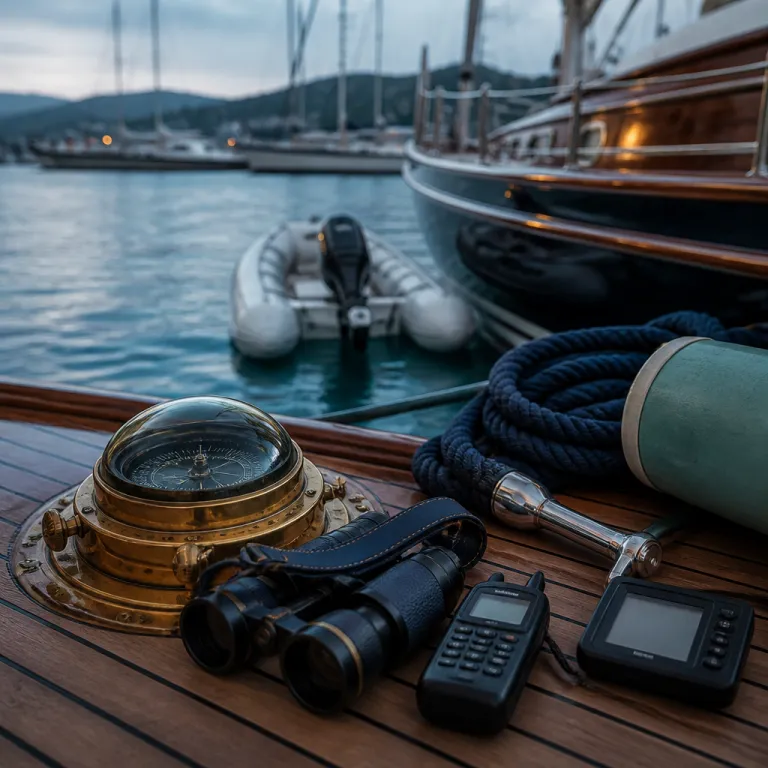
Understanding the real difference between a boat and a yacht
When you plan a stay on the water, the difference between a boat and a yacht shapes everything from cabin size to service expectations. A boat is generally smaller and used for many practical purposes, while a yacht is larger and designed around leisure and luxury. That broad distinction, echoed in guidance from bodies such as the U.S. Coast Guard and the Royal Yachting Association (which both distinguish recreational vessels by size and purpose rather than a single legal cut-off), captures the core idea guests should understand before choosing their floating hotel.
In hospitality terms, a boat is a versatile vessel designed for practical use, such as coastal cruising, fishing, or short transfers between marinas. A yacht, by contrast, is a larger vessel designed specifically for pleasure, with a stronger focus on comfort, privacy, and tailored service between ports. This difference in purpose between the two vessel types becomes crucial when you compare living quarters, amenities, and the overall onboard atmosphere, especially when deciding between boats and yachts for multi-night accommodation.
Size is often the first visible difference between boats and yachts, yet it is not the only one that matters for overnight stays. Industry training material and brokerage guides commonly describe recreational boats up to around 12 metres (about 40 feet), while many yachts start from a similar length but extend far beyond, with vessels designed to maximise interior volume and exterior deck space. These larger yachts designed for extended leisure stays usually offer more generous cabins, better sound insulation, and a smoother ride than smaller boats in the same weather conditions, and brokers often treat vessels above roughly 24 metres (around 79 feet) as large yachts with separate crew areas.
Size, design, and purpose when booking a floating hotel
For travellers comparing a boat hotel to a yacht hotel, size and purpose should guide the booking decision more than the marketing term. A compact boat may offer a charming cabin experience in a small marina, but a larger yacht boat will typically provide more generous living quarters and clearer separation between guest and crew areas. This difference between boat and yacht layouts directly affects privacy, noise levels, and how relaxed you feel during longer stays, particularly when several guests share the same vessel.
Boats typically range from modest sailing craft to agile sports motorboats, often designed for day trips, fishing excursions, or water sports sessions rather than multi-night accommodation. Yachts designed for hospitality are vessels designed with hotel-style comfort in mind, including ensuite bathrooms, climate control, and refined dining spaces. When you compare boats and yachts side by side, you will notice that the yacht style prioritises circulation, storage, and social zones, while many boats focus on practicality and ease of handling, with simpler finishes and fewer dedicated relaxation areas.
Purpose also separates a sports yacht from a simple fishing boat, even when their size appears similar at first glance. A luxury yacht used as a premium hotel platform will often feature hot tubs on deck, shaded lounges, and dedicated areas for water sports equipment, while a pure fishing vessel keeps its deck clear for gear and catch management. One charter guest described the contrast simply: “On the fishing boat we packed up early; on the yacht we lingered in the hot tub and forgot what time it was,” a comment that mirrors feedback in charter surveys where guests consistently rate wellness features as key to the perceived level of luxury.
Levels of luxury, comfort, and onboard amenities
From a guest perspective, the most tangible difference between boat and yacht accommodation lies in the level of luxury in the onboard environment. On many boats, living quarters are compact, with multifunctional spaces that convert from seating to sleeping, which suits short stays but can feel tight over several nights. A yacht, especially a luxury yacht configured for hotel-style stays, usually offers separate cabins, defined lounges, and more generous bathrooms, with layouts that resemble boutique hotel suites more than traditional boat cabins.
These yachts designed for hospitality often include amenities that rival upscale land-based hotels, such as hot tubs on the upper deck, spa treatment rooms, and professional galleys for fine dining. The interior style yacht designers favour often follows trends in residential design, with natural woods, soft textiles, and large windows that frame the sea, while boats typically prioritise durable materials and easy cleaning. When you compare yachts and boats used as floating hotels, you will notice that the differences between them extend to soundproofing, lighting design, and even the quality of mattresses, with higher-end vessels often advertising specific brands and noise-reduction figures in their specifications.
Sports yacht models used for premium stays blend performance with comfort, offering fast motor cruising alongside refined social spaces. A sailing yacht configured for overnight guests may sacrifice some interior volume to mast and rigging, yet it compensates with a unique sense of connection to the sea and the romance of silent sailing. For travellers seeking a refined charter-style stay, looking at real-world yacht specifications and deck plans can clarify how a large vessel designed for charter can deliver a hotel-grade experience with multiple lounges, wellness areas, and attentive crew service, often detailed in broker brochures and charter catalogues.
Sailing versus motor yachts and what it means for your stay
When choosing between a sailing yacht and a motor yacht for your hotel-style booking, you are really choosing between two different rhythms of travel. A sailing vessel relies primarily on wind power, offering a quieter, more contemplative experience between boat and shore, with the gentle sound of water against the hull. Motor yachts, by contrast, use powerful engines to cover longer distances quickly, which allows more flexible itineraries between marinas and anchorages and can make one-week itineraries feel more expansive.
For guests, the difference between propulsion systems translates into distinct onboard sensations and daily routines. Sailing encourages slower travel, with more time spent adjusting sails and reading the wind, which can be deeply engaging for active travellers who enjoy participating in the journey. Motor cruising on a yacht boat often feels more like staying in a mobile waterfront hotel, where you wake up in one bay and enjoy lunch in another without noticing the miles covered, a pattern reflected in charter reports that compare typical daily ranges for sailing and motor vessels.
Water sports access also varies between boats and yachts, especially when you compare smaller sports boats to larger sports yacht platforms. Boats typically carry minimal equipment due to limited storage, while yachts designed for guest stays often include dedicated garages for tenders, paddleboards, and diving gear. If your priority is a high level of comfort with seamless access to water sports, a larger yacht with a beach-club-style platform will usually outperform smaller boats and yachts with simpler layouts in both convenience and ease of use, particularly for groups who plan to spend hours in the water each day.
Marinas, service standards, and the guest experience between boats
Where your vessel docks plays a major role in how you experience the difference between boat and yacht stays. Smaller boats can access compact marinas and shallow coves, which may place you closer to historic town centres but with fewer high-end services on the quay. Larger yachts usually berth in premium marinas that offer concierge desks, security, provisioning services, and direct access to upscale restaurants, and marina operator reports from regions such as the Mediterranean often note that berths for yachts over 24 metres are fewer and book out earlier in peak season.
Service standards onboard also diverge between boats and yachts, especially when you compare owner-operated vessels to professionally crewed luxury yacht operations. On a modest boat, the skipper may handle navigation, maintenance, and guest support, which keeps costs down but limits the level of personalised attention. A larger vessel designed for hospitality typically carries a trained crew, including a captain, deck team, and stewards, so that guests enjoy hotel-style service while the technical work remains invisible, a structure commonly described in crewed charter guidelines and safety codes.
From a design perspective, the marina environment has inspired many innovations in compact hospitality, as shown in professional discussions of how boat architecture teaches land-based hotels to optimise space. These studies highlight how vessels designed for overnight stays must balance safety regulations, storage, and guest comfort within strict size limits, a challenge that pushes designers to refine every centimetre. When you compare the style yacht interiors to efficient boat cabins, you can see how the differences between them reflect not only budget but also the intended purpose and expected duration of guest stays, with longer itineraries typically justifying more generous communal areas.
Choosing between boat and yacht concepts for your luxury stay
For travellers browsing a luxury and premium booking website for boat hotels, the key is to align the vessel type with the purpose of the trip. If you want an intimate, harbour-focused escape with simple comforts, a well-maintained boat with a cosy cabin may suit you perfectly. When your priority is a higher level of luxury with generous living quarters, curated dining, and spa-style amenities, a larger yacht is usually the better match, especially if you plan to spend more time onboard than ashore.
Think carefully about how you plan to use the vessel during your stay, because the difference between boat and yacht concepts becomes clear once you step onboard. Guests who expect to spend most of their time ashore exploring cities may value location over onboard facilities, which makes smaller boats typically more cost effective. Those who see the vessel itself as the destination will appreciate yachts designed with multiple lounges, hot tubs, and flexible spaces for water sports, dining, and relaxation, and may find that the higher nightly rate delivers better overall value for a special-occasion trip.
Terminology can be confusing, since some listings use the term boat yacht or yacht-style loosely, so always read the specifications. Check the length, beam, and layout diagrams to understand the real size and how the spaces connect, then compare several boats and yachts within the same budget. By focusing on vessel purpose, onboard comfort, and the differences between sailing and motor options, you can choose confidently between boats and yachts for a stay that matches your expectations, using broker-style comparison tables or booking checklists to keep key figures and amenities clear.
Key figures and statistics about boats, yachts, and guest comfort
- Industry training platforms and brokerage guides often describe a typical recreational boat length of around 12 metres, which limits interior volume and makes compact design essential for overnight stays, especially when more than two guests share the same cabin space.
- Guides aimed at new owners indicate that many yachts start from a similar range but frequently extend beyond 24 metres, allowing more spacious living quarters and separate crew areas for higher privacy, a threshold also used in several large-yacht registration and safety codes.
- Marina operators in popular Mediterranean destinations report that berths for yachts over 24 metres are significantly fewer than those for smaller boats, which can affect availability and pricing during peak travel seasons and may require booking many months in advance.
- Surveys of charter guests consistently show that vessels with dedicated hot tubs and wellness areas receive higher satisfaction scores, confirming the strong link between onboard amenities and perceived level of luxury, particularly on itineraries of a week or longer.
- Comparative studies of sailing yacht and motor yacht operations note that motor vessels can often cover substantially more daily distance at similar comfort levels, which influences itinerary planning for hotel-style stays and helps explain why motor yachts dominate some high-demand charter regions.
FAQ about the difference between a boat and a yacht for hotel style stays
What defines a yacht compared with a boat in hospitality terms ?
A yacht is generally a larger, more luxurious vessel designed for leisure, with higher comfort standards and more extensive amenities than a typical boat. In the context of hotel-style stays, yachts usually offer multiple cabins, ensuite bathrooms, and professional crew service. Boats, by contrast, are often smaller and more versatile, with simpler layouts suited to shorter stays or day use, and many owner-operated vessels prioritise practicality over a high level of luxury.
How does vessel size affect comfort during an overnight stay ?
Greater size usually means more interior volume, which allows for separate living quarters, better sound insulation, and more storage. On a small boat, spaces often serve multiple functions, so dining, relaxing, and sleeping may happen in the same area. A larger yacht can separate these functions, creating a more comfortable experience for guests staying several nights, and many broker guides highlight this difference between compact boats and yachts when explaining layout plans.
Is a sailing yacht or a motor yacht better for a hotel style experience ?
A sailing yacht offers a quieter, more immersive connection with the sea, which many guests find deeply relaxing. Motor yachts provide faster travel between destinations and often have more interior space for the same length, which benefits amenities and layout. The best choice depends on whether you value the romance of sailing or the convenience and volume of a motor vessel, and charter statistics show that both vessel types attract repeat guests for different reasons.
Why do some listings use the term boat and others use yacht ?
Listings often reflect marketing choices as much as technical classifications, which can confuse travellers. Some operators label any comfortable vessel as a yacht, even when its size and layout are closer to a traditional boat. Reading the detailed specifications, including length, cabin count, and amenities, is the most reliable way to understand what you are booking, and many booking platforms now include glossary notes explaining common terms used for boats and yachts.
Are yachts always more luxurious than boats for overnight stays ?
Many yachts are built with luxury as a primary goal, so they typically offer higher comfort levels than comparable boats. However, a well-maintained, thoughtfully fitted boat can still provide a charming and comfortable stay, especially for shorter trips. The real measure is not the label but the combination of layout, amenities, and service level offered on each individual vessel, and guests comparing boats yachts side by side should focus on these concrete details rather than the marketing term alone.