Houseboat galleys versus home kitchens: setting realistic expectations
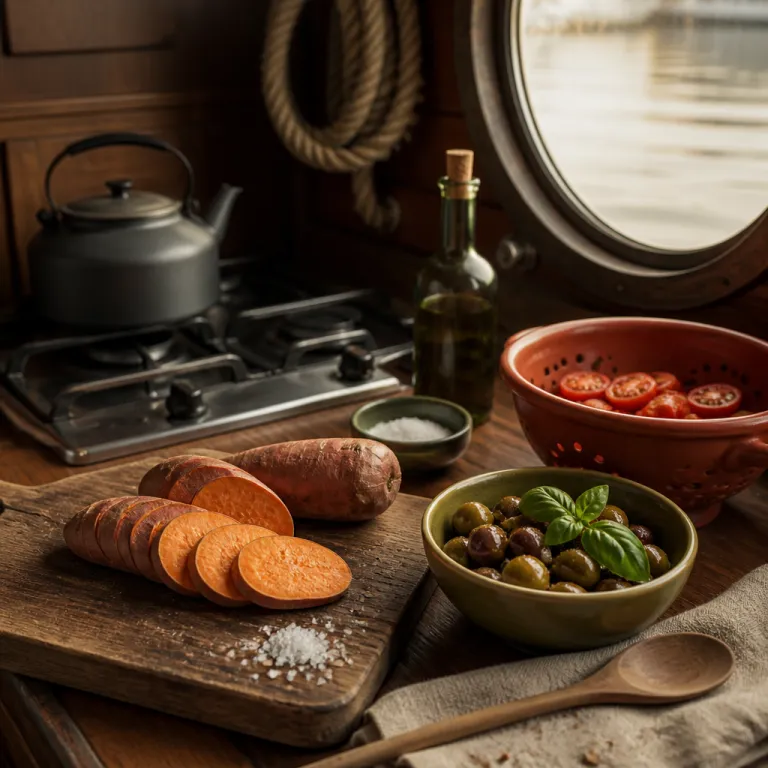
A luxury houseboat kitchen looks charming, but it is still a working galley. On most premium boat rentals and yacht charters you will typically find a two-burner stove (hob), a compact fridge, a small sink and perhaps a microwave tucked into roughly 3–6 square metres of space (about 30–65 square feet). Treat these figures as typical rather than universal; layouts vary by region and boat age. Accept that this boat galley will never behave like your home kitchen, and your houseboat galley cooking tips immediately become about smart choices rather than compromise.
Before you book any boat, read the inventory list carefully and note which cooking items are actually included. High quality pots and pans, a sturdy cutting board and at least one cast iron skillet turn a basic galley into a serious cooking boat, while flimsy gear wastes time and energy. If the listing is vague, ask the Boat Captain or charter company directly which kitchen tools, food storage containers and safety equipment the galley will provide, because equipment standards vary widely between regions and operators.
Think in zones rather than in square metres when you step into the galley for the first time. You need a clear area for prep, a safe corner for hot cooking, and a dry section for food storage that will keep ingredients away from splashes of water. On a small boat this might mean using a removable cutting board over the sink, then sliding it aside when you cook a meal on the stove.
Average rental houseboats in North America and Europe often measure around 12–18 metres (40–60 feet), yet the galley usually occupies only a fraction of that space. That limited footprint is not a flaw; it is a design prompt that will help you edit your meals and your gear. Luxury operators know this, so the best houseboat galley cooking tips focus on compact layouts, efficient storage space and easy cleaning rather than on adding more gadgets.
Expect the basics as standard on many premium houseboats worldwide. A small fridge, a two-burner hob and a modest set of pots and pans are common, while extras like a pressure cooker or cast iron Dutch oven are rare unless you bring them or book a chef-focused vessel. When you compare properties on a booking website for boat hotels, treat the galley description with the same scrutiny you would give to the cabin layout or the deck space, and look closely at any galley photos with descriptive alt text such as “compact houseboat galley with two-burner stove and under-counter fridge”.
Provisioning strategy: shopping, storage and planning ahead
On a houseboat vacation, provisioning is not a casual supermarket stop; it is a core part of the journey. Lake-based houseboats often require a full shop ahead of time, while canal boats and cooking sailboat charters can resupply at waterside villages and markets. The smartest houseboat galley cooking tips start long before you step on board, with a realistic shopping list and a clear sense of your storage space.
Think in meals, not in ingredients, when you plan what food to bring. Write out every breakfast, lunch and dinner for the cruise duration, then add two emergency meals that are shelf stable and easy to cook in a small galley. This style of meal planning will help you avoid overbuying bulky items that will crowd your limited space and strain the fridge and dry lockers.
Use simple provisioning tips that professional crews rely on for long term trips. Pack dry goods like pasta, rice, lentils and spices into airtight food storage containers that keep moisture and water out, then layer fresh produce on top in shallow crates. Remember the expert guidance often shared on board; “Plan meals ahead. Use one-pot recipes. Pre-chop ingredients. Store food securely. Conserve water.”
Luxury houseboat operators often provide a starter kit of galley items such as oil, salt, pepper and basic condiments. Do not assume this though, because every boat will differ, so confirm in writing which cooking essentials are included and which you must bring. If you are sailing with a Galley Cook or hiring crew members, ask them for their own provisioning tips, since they know from experience exactly how much food a small boat can handle.
Once on board, assign specific lockers and shelves for different categories of food. Keep breakfast items together, group snacks in one basket and reserve the coldest part of the fridge for meat and dairy to maximise safety. This simple organisation system makes it easy for everyone to cook, reduces waste and turns a cramped boat galley into a surprisingly efficient kitchen.
Quick provisioning checklist for a 3–4 day houseboat trip
- Dry staples: pasta, rice, oats, lentils, flour, sugar, coffee or tea, long-life milk
- Proteins: eggs (about 2 per person per day), tinned fish, cured meats, firm cheese, tofu or beans
- Fresh produce: salad greens, tomatoes, onions, garlic, carrots, apples, citrus, sturdy vegetables
- Cooking basics: oil, salt, pepper, a small spice kit, stock cubes, vinegar, mustard
- Snacks: nuts, crackers, chocolate, dried fruit, granola bars
- Emergency meals: two shelf-stable options such as canned soup with rice or pasta with jarred sauce
- Non-food items: drinking water if required, bin bags, paper towels, biodegradable dish soap
Sample 3-day houseboat meal plan (2 adults)
- Day 1: Breakfast – oatmeal with fruit (about 1/2 cup / 45–50 g oats per person); Lunch – sandwiches with cheese and salad; Dinner – one-pot pasta with tomato sauce and vegetables, simmered for 10–12 minutes until the pasta is just tender.
- Day 2: Breakfast – eggs and toast; Lunch – mixed bean salad with bread; Dinner – vegetable curry with rice (about 1/2 cup / 90–100 g dry rice per person), cooked for 15–18 minutes until the grains are soft and the sauce thickens.
- Day 3: Breakfast – yogurt with granola; Lunch – leftover curry or pasta; Dinner – grilled fish or halloumi with pan-roasted vegetables and couscous, resting the fish or cheese for 3–5 minutes before serving.
Smart cooking techniques for limited galley space
Cooking on the water rewards restraint and creativity rather than elaborate plating. In a galley where every centimetre (or inch) of space matters, one-pot meals and sheet-pan-style dishes become your best friends. The most reliable houseboat galley cooking tips focus on techniques that keep heat, mess and washing up to a minimum while still delivering satisfying meals.
Start with equipment that earns its place in a small kitchen. A compact pressure cooker can turn dried beans into dinner in under an hour, while a medium cast iron pan moves seamlessly from stovetop to grill and even to the table. Choose high quality stainless steel pots and pans with folding or removable handles, because they stack neatly and free up storage space in any small boat galley.
Think about how you move when you cook a meal on board. Clear the counter completely before you start, lay out only the items you need and keep a damp cloth nearby to catch spills quickly. Many experienced crews on cooking sailboat itineraries pre-chop vegetables on deck using a large cutting board, then carry everything inside in one trip to save time and keep the galley cool.
Water and fuel are finite, so efficient cooking is also about conservation and safety. Use lids on pots to reduce cooking time, reuse pasta water for washing up when appropriate and avoid running the stove while the boat is under heavy way. On some yacht charters the Boat Captain may restrict gas use while sailing, so check these rules early and adapt your meals accordingly.
Remember that a houseboat vacation is about relaxation, not about replicating a restaurant service. Rotate a few reliable dishes such as vegetable curries, grilled fish with rice or hearty stews that you can adapt with local ingredients. When you apply these galley cooking principles, even a very small galley will help you eat better than many shore-based travellers who rely on constant restaurant meals.
Compact galley equipment checklist
- 1 medium lidded saucepan and 1 larger pot for soups or pasta
- 1 versatile frying pan or cast iron skillet, ideally oven-safe
- 1 chopping board, 1 sharp chef’s knife and a small paring knife
- Heatproof utensils: spatula, wooden spoon, tongs, ladle
- Collapsible colander, measuring cup and a small set of spoons
- 2–3 airtight containers for leftovers and prepped ingredients
Local flavours, safety and sustainability on the water
One of the quiet luxuries of a houseboat stay is the ability to cook with ingredients sourced metres (or feet) from your mooring. Canal routes in France, the Netherlands or Ontario’s Rideau Canal often pass towpath farms, waterside markets and small fishing harbours that turn provisioning into a daily ritual. Instead of loading the boat with all your food at once, use flexible houseboat galley cooking tips that leave space for these local finds.
When you buy fresh fish from a quayside stall or catch it with a local guide, treat safety as seriously as flavour. Keep raw seafood on ice in sealed food storage boxes, clean your cutting board thoroughly and cook the fish the same day whenever possible. Many premium operators partner with Local Markets and Fishing Guides, so ask the crew members or the Boat Captain where they source their own meals when off duty.
Eco-friendly cooking on the water is less about special products and more about habits. Use reusable containers instead of single-use plastic, minimise packaging before you board and separate trash so that disposal at locks and marinas stays simple. Follow local greywater rules by wiping pans with paper before washing, using minimal soap and never tipping food scraps directly into the water; national boating authorities and waterway agencies publish region-specific guidance that your charter company can point you to.
Fire and gas safety in a galley deserve constant attention, even on a calm day. Always turn pot handles inward, secure hot items before the boat moves and never leave the stove unattended while sailing or manoeuvring. Luxury charter companies brief guests on these points at departure, and your own awareness will help keep the kitchen a pleasant rather than risky place.
Waste management is part of responsible cruising, especially on long term itineraries. Store rubbish in sealed bags in a ventilated locker, and use marina bins whenever available instead of overloading small quayside containers. When you choose a premium boat hotel through a trusted platform, look for operators that explain their environmental policies clearly, because that transparency often reflects broader care in galley design and guest support.
Luxury houseboat booking choices that elevate your galley experience
The difference between a merely functional galley and a genuinely enjoyable one often begins at the booking stage. On a curated platform for luxury boat hotels, study the photos of the galley as closely as you inspect the cabins or the deck loungers. You are looking for clear counter space, logical storage, high quality appliances and evidence that real cooking, not just reheating, is possible on that particular boat.
Some premium yacht charters and houseboat fleets, such as self-skippered boats on the Rideau Canal, now highlight their galley layouts as a selling point. When a listing mentions stainless steel cookware, generous food storage, a full-size fridge or a pressure cooker, you can expect a smoother experience with complex meals. For travellers who care deeply about culinary experiences, choosing a property reviewed by specialists such as boat stay guides or platforms like refined charter yacht reviews will help align expectations with reality.
Solo explorers and small groups should also consider whether they want a Galley Cook or prefer to cook independently. A professional on board brings deep knowledge of galley cooking, provisioning tips and safety routines, while self-catering offers flexibility and a more intimate connection with local food. Either way, a clear conversation with the operator about kitchen gear, water capacity and storage space ahead of time prevents mid-cruise surprises.
Think about how you like to eat on holiday before you choose your boat. If long dinners with multiple courses matter, prioritise a larger galley, generous seating and perhaps an outdoor grill, even if that means a slightly smaller cabin. If you prefer quick, easy meals between swims and shore excursions, a compact but well organised small boat kitchen will suit you perfectly.
Finally, remember that a luxury houseboat stay is defined less by marble countertops and more by thoughtful design and honest information. A modest galley that is accurately described, safely equipped and intelligently laid out can support memorable cooking on the water. When you apply these houseboat galley cooking tips from planning through booking and into daily life on board, every meal becomes part of the voyage rather than a chore squeezed into limited space.
Frequently asked questions about houseboat galley cooking
How should I store food on a houseboat?
Use airtight containers and coolers for anything perishable or sensitive to humidity. Keep heavier items low in cupboards, reserve the coldest fridge zones for meat and dairy and label boxes so you can find meals quickly. This approach protects food from splashes, shifting while under way and temperature swings in a small galley.
What meals are best for houseboat trips?
One-pot dishes and grilled foods work especially well in a compact kitchen. Think curries, stews, pasta with sauce, grilled fish with vegetables and simple salads that use overlapping ingredients. These meals minimise washing up, use fuel efficiently and adapt easily to local produce from markets along your route.
How can I conserve water while cooking on board?
Use minimal water for boiling, cook with lids on and reuse lightly used water for pre-rinsing dishes when appropriate. Wash up once per meal rather than continuously, and wipe pans with paper before cleaning to reduce soap and water needs. Choosing recipes that do not require multiple pots also keeps overall water consumption low.
What cooking equipment should I bring from home?
Pack a favourite chef’s knife, a reliable cutting board, a compact non-stick or cast iron pan and a small set of measuring tools if you cook often. Many houseboats provide basic pots and pans, but quality and condition vary, so a few trusted pieces can transform your experience. Always confirm airline and transfer logistics before bringing heavy items like cast iron on a long trip.
Is it safe to cook while the boat is moving?
Light cooking on calm water is usually possible, but you should avoid complex tasks or deep frying while under way. Secure all hot items, turn pot handles inward and never leave the stove unattended, especially during manoeuvres or in busy channels. Follow the safety briefing from your Boat Captain or charter company, since some operators restrict gas use while sailing.