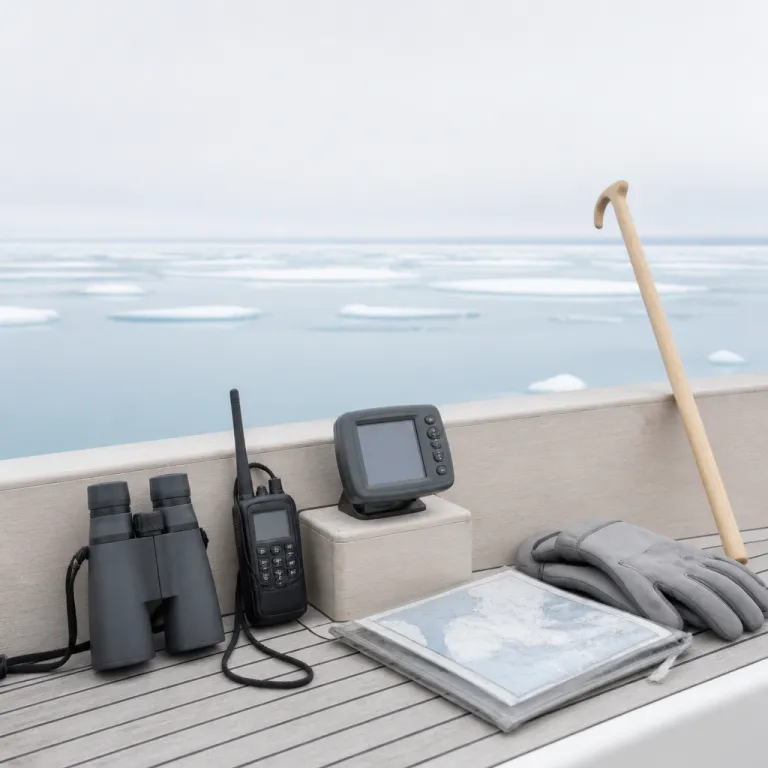
Why an arctic yacht charter is the new frontier of luxury travel
An arctic yacht charter places you at the edge of the map, yet keeps every comfort close. During a single week you can glide past blue ice, watch polar wildlife from a heated deck, and return to a linen dressed cabin that rivals a five star hotel. For guests used to traditional luxury stays, this kind of high latitude yacht experience feels both intimate and intensely cinematic.
Unlike a classic resort in northern Europe, a private charter yacht moves with the weather and the wildlife. The captain and expedition guide adjust the route daily, using advanced navigation to read ice charts and find sheltered anchorages that suit both motor yachts and sailing yachts. This flexibility turns the voyage into a living itinerary where each day’s polar light, sea state, and wildlife sightings shape the next decision.
Most arctic yacht charters focus on regions such as Svalbard and the remote coasts of Norway. These areas sit firmly inside the Arctic Circle, yet summer temperatures often hover around 0 °C, which is milder than many guests expect from a polar expedition. Charter yachts here are usually ice capable explorer yacht designs, with reinforced hulls, carefully considered length to beam ratios, and a draft that balances stability with the ability to approach glacier carved bays.
On a luxury yacht in these waters, the sense of space is striking. You might sip coffee in a glass walled lounge while the bridge team threads the yacht through drift ice, then step outside to feel the crisp air on a sheltered aft deck. This blend of warmth and wilderness is what sets an arctic charter apart from any land based stay.
For travellers used to browsing hotel booking engines, the process of reserving charter yachts feels refreshingly personal. A specialist charter broker will ask detailed questions about your preferred activities, cabin layout, and level of formality before suggesting a specific charter yacht or superyacht. That conversation is the first step in tailoring the experience to your group rather than forcing your week to fit a fixed package.
Adventure activities on an arctic yacht charter: from sea kayaks to summit ridges
Adventure is not an optional extra on an arctic yacht charter; it is the core of the experience. Each day, the expedition leader proposes activities that match the weather, the ice conditions, and the guests’ energy levels, then the captain confirms what is safe and feasible. This dynamic planning turns the polar environment into a private playground, while still respecting strict environmental guidelines.
Sea kayaking is often the first activity that guests try, because it offers a quiet way to explore destination highlights such as glacier fronts and bird cliffs. From the low angle of a kayak, ice formations tower overhead and the hull of the luxury yacht looks surprisingly small against the Svalbard coastline. Guides brief you on wildlife distances, paddle techniques, and cold water safety before you slip away from the charter yacht and into the stillness.
For more vertical adventure, many explorer yacht itineraries include guided hikes and summit scrambles. You might land on a pebble beach, cross tundra dotted with wildflowers, then climb a ridge that overlooks a fjord filled with ice and motor yachts at anchor. The reward is a view that no hotel room in northern Europe can match, and the knowledge that your private yacht charter is waiting below with hot drinks and a sauna.
Guests who enjoy speed often gravitate toward RIB excursions, which use rigid inflatable boats launched from the stern of the yacht. These fast tenders allow the crew to approach wildlife respectfully, then cut the engines so you drift in silence near walrus haul outs or seabird colonies. For travellers who have tried jet ski adventures in warmer destinations, reading premium booking tips for high energy water sports can be useful, and resources similar to premium booking tips for personal watercraft experiences help set expectations about safety briefings and guide ratios.
Some charter itineraries also offer ski touring or snowshoeing, especially early or late in the season when snow still clings to the slopes. In these cases, the explorer yacht becomes a floating base camp, with gear drying rooms and technical storage integrated into the beam of the hull. Your charter broker will usually ask about your previous mountain experience and may suggest hiring additional polar guides if your group wants to push into more technical terrain.
Photography is another adventure activity that quietly shapes the rhythm of many yacht charters in the arctic. Soft midnight light, drifting ice, and unpredictable wildlife mean that the captain often times departures and arrivals to maximise photographic opportunities for guests. This is where the flexibility of private yacht charters shines, because the schedule can stretch or compress a week to chase the best light rather than a rigid port timetable. Descriptive image alt text such as “guest photographing polar bears from the deck of an Arctic expedition yacht at midnight sun” or “sea kayaks beside blue glacier ice in Svalbard fjord” helps convey these scenes online.
Wildlife encounters and polar landscapes: what guests can realistically expect
Wildlife is a major reason travellers choose an arctic yacht charter over a traditional cruise. From the deck of a luxury yacht, you can watch polar bears hunting on ice floes, walruses jostling on beaches, and seals surfacing beside the hull, all without the crowds that often accompany larger ships. The experience feels more like staying in a remote lodge that moves quietly with the animals.
During a typical week in Svalbard, charter yachts often navigate through areas where polar bears are regularly sighted. Local operators report dozens of sightings across a season in some of the most visited fjords, which gives guests a realistic sense of probability without promising guaranteed encounters. The bridge team and wildlife guides maintain strict distances and use binoculars and spotting scopes so that both bears and guests remain safe.
Birdlife is equally impressive, with cliffs that host thousands of nesting seabirds and skies that fill with kittiwakes and guillemots. From the bow of a motor yacht, you might watch puffins skimming the waves while the charter yacht threads between bergy bits of ice. These moments often happen during quiet transits, when guests are wrapped in parkas on deck rather than engaged in formal activities.
Landscapes shift constantly as the route moves between open sea, narrow fjords, and glacier lined bays. In one day, you can explore destination contrasts that range from black sand beaches to vertical ice walls more than 100 m high. The interplay of light and cloud across these polar scenes is one reason many yacht charters now include professional photographers as part of the expedition team.
Evenings on board often centre around the lounge or observation deck, where guests review the day’s wildlife sightings with the expedition leader. Questions about behaviour, migration routes, and climate impacts are common, and the crew draws on data from organisations such as NOAA’s 2023 Arctic Report Card to explain why average summer temperatures around 0 °C still allow sea ice to persist. This educational layer adds depth to the luxury, turning a private charter into a meaningful learning journey.
Some itineraries time their routes to coincide with local events or natural spectacles. If you have enjoyed watching celebrations from the water, guides may reference experiences similar to watching fireworks from a houseboat to illustrate how perspective from the water transforms familiar scenes. In the arctic, the equivalent might be sailing beneath a glowing midnight sun or along a glacier front bathed in soft pink light.
Planning and booking on a luxury boat hotel platform: from check availability to final EUR costs
For travellers used to hotel booking engines, the first step toward an arctic yacht charter is usually an online search. A well designed luxury and premium booking website for boat hotels will present arctic yacht options alongside other yacht charters, with clear filters for region, length overall, beam, guest capacity, and expedition focus. This allows you to compare a compact explorer yacht with a larger superyacht in the same way you might compare room categories in a city hotel.
When you click through to a specific charter yacht, expect to see detailed specifications such as length, beam, draft, cruising speed, and ice classification. These technical details matter in polar waters, because an ice capable yacht design can safely explore destination areas that standard motor yachts cannot reach. Look for clear explanations of how the hull is reinforced, what safety equipment is carried, and how the crew is trained for polar operations.
Most platforms now integrate a check availability function that connects directly with the charter broker’s calendar. Instead of instant confirmation, you typically submit preferred dates for a week or longer, then receive a personalised response that outlines availability, estimated EUR pricing, and any seasonal constraints. This process respects the bespoke nature of arctic charter planning, where tides, ice, and wildlife patterns influence the best departure windows.
Transparent presentation of expenses is a hallmark of a trustworthy booking site. You should see a clear base rate for the yacht charter in EUR, plus an outline of additional expenses such as fuel, port fees, and onboard provisioning. Some luxury yacht listings also explain the Advance Provisioning Allowance structure, which is a pre paid fund used to cover variable costs during the expedition, with any unused balance refunded at the end.
Because cabin space and layout shape comfort on longer voyages, it is worth reading guidance on standard cabin sizes and layouts in other regions. Resources such as this overview of what to expect from standard cabin size on a yacht charter help you interpret deck plans and length to beam ratios even when the example is from a tropical destination. The same principles apply in the arctic, where smart use of draft and interior volume can create surprisingly generous suites.
Once you are comfortable with the technical side, focus on the soft elements that define the guest experience. Read how many crew members are on board, what languages they speak, and whether there is a dedicated expedition leader in addition to the captain. A strong team with polar experience often matters more than an extra metre of beam when it comes to safety and satisfaction.
Working with a charter broker and captain arctic team to tailor your itinerary
A skilled charter broker is your main ally when turning arctic yacht charter ideas into a concrete itinerary. Specialist companies in this niche match guests with charter yachts that suit their style, whether that means a compact explorer yacht or a full size superyacht. Their role is closer to a travel designer than a simple agent, because they understand both the yachts and the polar regions.
During initial conversations, your broker will ask about your previous travel experience, fitness levels, and appetite for adventure activities. Families with younger guests might prefer shorter hikes and more time on deck, while experienced skiers may request a week focused on ski touring from the yacht’s arctic base. These preferences shape not only the route but also the choice between motor yachts and sailing yachts, as well as the number of guides on board.
Once a yacht charter is reserved, the captain and expedition team become central to the planning. They review your preferences, study ice charts, and coordinate with local partners such as wildlife experts and shore based operators in Norway or Svalbard. This collaboration ensures that the arctic charter respects both safety constraints and environmental guidelines while still offering a rich mix of activities.
Many guests are surprised by how flexible a private charter can be compared with a fixed cruise itinerary. If the weather closes in on one side of an archipelago, the captain may simply steer the charter yacht to a more sheltered fjord, adjusting the plan so that you still explore destination highlights without rough seas. This agility is one of the main reasons experienced travellers return to yacht charters rather than large ship voyages.
Communication before departure is detailed and practical. You receive packing lists that emphasise layered clothing, waterproof outerwear, and accessories suitable for average summer temperatures around 0 °C, as reported by NOAA for many arctic regions. The crew may also ask about dietary needs, preferred dining times, and any special occasions you wish to celebrate on board, so that the luxury yacht feels personalised from the first evening.
During the voyage itself, daily briefings bring together the captain, expedition leader, and guests to review options. This is where the expertise of the team shines, as they balance sea ice forecasts, wildlife reports, and your energy levels to design each day’s programme. The result is an itinerary that feels curated rather than scripted, with enough structure to feel safe and enough spontaneity to keep every sunrise exciting.
Budgeting, safety, and sustainability: making informed choices for your polar stay
Budgeting for an arctic yacht charter requires a different mindset from booking a city hotel, because you are effectively reserving an entire floating hotel with its own crew. Base rates for charter yachts in the arctic are usually quoted per week in EUR, with prices varying according to size, age, and level of luxury. On top of this, guests should plan for additional expenses such as fuel, port fees, and specialised expedition equipment.
To avoid surprises, ask your charter broker for a detailed estimate that breaks down all expected costs. A transparent quote will separate the base yacht charter fee from variable expenses, explain how the Advance Provisioning Allowance works, and clarify what is included in the crew gratuity guidelines. This level of clarity reflects a mature, guest focused approach that aligns with best practices in luxury travel.
Safety is a common concern for first time visitors to polar regions, and the short answer from experts is reassuring. “Are Arctic yacht charters safe? Yes, with experienced crews and ice-class vessels.” This statement reflects the reality that modern explorer yacht designs, combined with rigorous crew training and advanced navigation tools, have made polar yacht charters a well managed form of adventure travel.
When evaluating a specific arctic option, pay attention to certifications, safety drills, and the captain’s polar résumé. Ask how often the crew trains for emergency scenarios, what communication systems are on board, and how decisions are made when ice conditions change quickly. A professional team will welcome these questions, because informed guests are easier to brief and more likely to respect safety boundaries during landings.
Sustainability is another pillar of responsible arctic charter travel. Many luxury yacht operators now work with local organisations to minimise impact, follow strict wildlife approach distances, and support scientific projects through data collection. Guests can contribute by choosing itineraries that avoid sensitive breeding seasons, limiting unnecessary helicopter use, and favouring motor yachts with efficient engines and modern emissions controls.
Finally, consider the long term value of the experience rather than focusing solely on headline EUR figures. A week on a well run superyacht in the arctic combines the privacy of a villa, the service of a high end hotel, and the depth of a guided expedition. For travellers who value meaningful experiences over material souvenirs, that blend of comfort, learning, and polar immersion often justifies the investment.
Key statistics for arctic yacht charter travel
- Average summer temperatures in many accessible arctic regions hover around 0 °C, according to NOAA, which allows comfortable expedition activities with proper layered clothing.
- Some popular Svalbard fjords record frequent polar bear sightings across the season, based on reports from regional tourism authorities and expedition operators, giving guests a realistic chance of observing these animals from a safe distance.
- Typical arctic yacht charters last between 7 and 14 days, which balances travel time to remote areas with enough days on site for varied adventure activities.
- Booking windows for arctic charter yachts often open several months in advance, and prime summer weeks can be fully reserved by repeat guests long before the season starts.
- Ice capable explorer yacht designs usually feature reinforced hulls and carefully calculated length to beam ratios and draft, enabling safe navigation in ice affected waters that standard leisure yachts cannot enter.
Frequently asked questions about arctic yacht charters
What is the best time for an arctic yacht charter ?
Summer months are generally the best time for an arctic yacht charter, because sea ice retreats enough to open key routes while wildlife remains active. Longer daylight hours allow flexible scheduling of landings and activities, and average temperatures around 0 °C make time on deck comfortable with proper clothing. Most charter brokers recommend reserving prime weeks well in advance to secure your preferred yacht and itinerary.
Are arctic yacht charters safe for families and first time visitors ?
Arctic yacht charters are considered safe for families and first time visitors when operated by experienced crews on ice capable vessels. Safety briefings, strict wildlife distances, and conservative decision making by the captain help manage the risks associated with polar environments. Choosing a reputable charter broker and a yacht with a strong safety record is the most important step in ensuring a secure voyage.
What wildlife can guests expect to see during an arctic yacht charter ?
Guests on an arctic yacht charter often see polar bears, walruses, seals, and a wide variety of seabirds such as puffins and kittiwakes. Sightings vary by region and season, but itineraries in Svalbard and parts of Norway are known for reliable wildlife viewing opportunities. While no operator can guarantee specific animals, flexible routing and expert guides significantly increase the chances of memorable encounters.
How do costs and expenses compare with a traditional luxury cruise ?
The total EUR cost of a private arctic charter is usually higher than a cabin on a traditional luxury cruise, because you are chartering the entire yacht and crew. However, the price includes a high degree of privacy, custom itineraries, and personalised service that large ships cannot match. When evaluating value, consider not only the base charter fee but also the flexibility, exclusivity, and depth of experience.
What level of fitness is required for adventure activities on board ?
Most arctic yacht charter activities are adaptable to a wide range of fitness levels, with options from gentle shoreline walks to more demanding hikes or ski tours. Guests can choose daily whether to join active excursions or enjoy the scenery from the comfort of the yacht. Discussing your fitness and interests with the charter broker and expedition team in advance ensures that the programme matches your abilities.