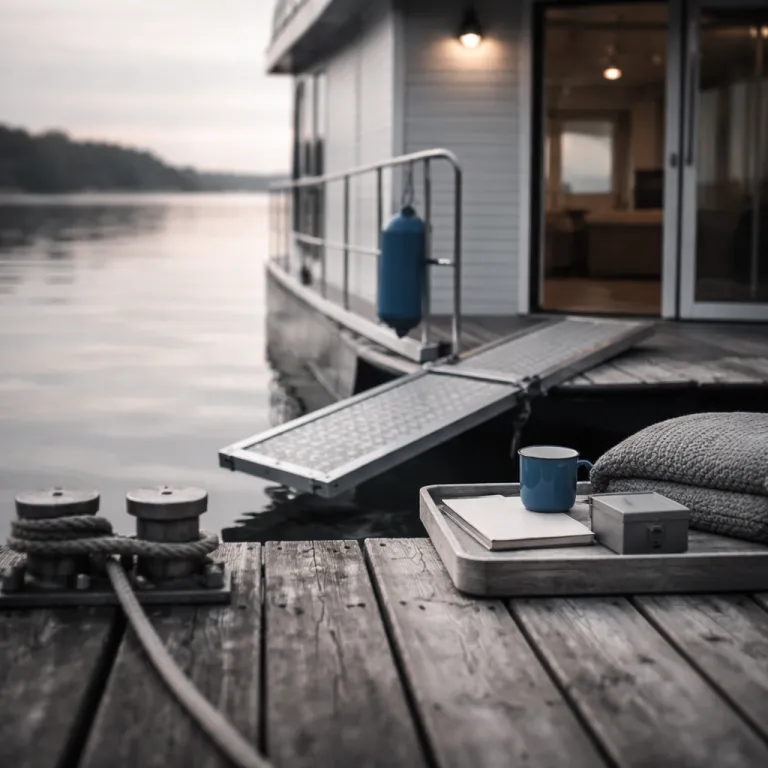
From dock to deck: what check in really feels like
Your first houseboat stay begins not in a lobby but on a dock. At a well run marina or private mooring site, staff will usually meet you at the gangway and walk you on board with the same calm precision you expect from a top city hotel. For premium houseboat rental platforms, this arrival choreography is deliberate, because the first minutes on the boat set the tone for your entire trip.
Expect a short safety briefing, a walkthrough of the cabin layout and a clear explanation of how the navigation support or skipper assistance works if you are moving during your stay. When the houseboat is moored permanently, the team will focus less on navigation tools and more on how to manage water, power and the kitchen so that everything runs smoothly over several nights. Luxury operators often provide a printed map of the lake or canal, almost like a private lake guide, highlighting quiet coves, swimming zones and recommended recreation stops along the route.
For self drive experiences, partners such as marinas and agencies follow a structured timeline that runs from booking to orientation, then stay and departure. Houseboating.org notes that many destinations treat a standard driver’s license as sufficient for operating a rental houseboat, with no specialist boating license required in most cases. That reassurance matters when you first step on the top deck and realise this is both your hotel and your boat for the next few days.
Cabins, compact luxury and how space really works on board
On a modern houseboat, space is curated rather than generous, and that is part of the charm. Your first houseboat stay will likely reveal a surprisingly efficient layout, where the salon, kitchen and helm share one open plan area and cabins tuck neatly along the hull like a perfectly organised tent on water. Premium designs use warm woods, good lighting and clever storage so the boat feels more like a floating apartment than a cramped cabin.
Expect at least one private bedroom, a compact bathroom and a galley kitchen with a proper fridge, hob and often an oven. Luxury houseboat rental fleets now treat the kitchen as a social hub, so you will usually find enough counter space for preparing good meals and a thoughtful starter kit of oil, salt and basic utensils. The fridge on a high end houseboat is rarely an afterthought, because chilled wine, fresh fruit and cold water are central to the slow rhythm of life on the lake.
Cabin ceilings can be lower than in a traditional hotel room, so taller guests should move mindfully at first. Storage runs under beds, along benches and sometimes beneath steps, which means you should bring soft luggage that can squash into these spaces rather than hard cases. Over time, you will learn that the most elegant houseboat cabins are those where guests have packed light, skipped unnecessary gear and allowed the design to breathe.
Motion, sound and that first night sleeping on the water
The first evening of your first houseboat stay is when the experience shifts from novelty to something quietly elemental. As the marina settles, you will feel a gentle sway underfoot, more like a slow breath than a wave, and the sounds change from traffic to rigging, ducks and the occasional late arrival on board. For many solo travellers, that subtle motion becomes a kind of moving lullaby by the second night.
If you are moored on a sheltered lake or calm canal, the boat should not roll dramatically, but you may hear water lapping against the hull and ropes creaking as the wind shifts. Light sleepers do well in mid ship cabins, away from the bow and stern, where movement is minimal and the fridge hum is softer. Earplugs are rarely essential, yet they can be a good backup for your first trip, especially if you are used to heavy curtains and sealed windows on land.
On premium platforms, insulation and build quality are noticeably better, so outside noise drops once you close the sliding doors. Many guests choose to sleep with a small window cracked open, letting in cool air and the scent of the lake, which feels like camping in a tent but with a proper mattress and high thread count sheets. By the time morning light filters through the blinds, you will usually find that any initial nerves about motion have faded into a calm, almost addictive sense of being held by the water.
What to pack, what is provided and what to leave ashore
Packing for your first houseboat stay is closer to preparing for a refined cabin weekend than a city break. The golden rule is simple: bring less clothing, more layers and a few smart accessories that work both on the top deck and at a waterside restaurant. Soft duffel bags slide easily into under bed lockers, while hard suitcases tend to dominate the limited floor space on board.
Most premium houseboat rental operators provide linens, towels, basic kitchen equipment and safety gear as standard. You can expect a stocked kitchen with pots, pans, plates and usually a starter supply of cooking oil, washing up liquid and sometimes coffee, which means you only need to bring your preferred ingredients and snacks. Check in information often lists exactly what is on board, so you can skip duplicate items and use that space for a good book, a compact camera or a favourite bottle of wine for sunset on the top deck.
Think carefully about footwear and outerwear, because decks can be damp with spray or morning dew. Non slip shoes, a light waterproof jacket and a warm layer for late evenings by the lake will serve you better than multiple fashion options. If your trip includes self navigation, keep hands free bags and minimal clutter near the helm, as this makes every mooring and course change through the day feel calmer and more controlled.
Practical packing checklist for a first houseboat stay: soft luggage; layered clothing and a warm jumper; non slip deck shoes or trainers; light waterproof jacket; swimwear and quick dry towel; sunscreen, hat and sunglasses; compact toiletries and any medication; favourite coffee or tea; simple spices or condiments; portable power bank; small headlamp or torch; reusable water bottle; book, journal or playing cards.
The morning payoff and why guests keep coming back
The real magic of a first houseboat stay usually arrives with the first morning light. Before the marina wakes, you will step onto the top deck with a mug in hand and find the water almost flat, the air cool and the shoreline still, which is a kind of luxury no land based site can quite match. That quiet half hour becomes the moment many guests cite in testimonials as the reason they return year after year.
On curated itineraries such as a St Vincent and the Grenadines luxury boat journey, the sunrise ritual repeats across different anchorages and reinforces how houseboat travel blends comfort with low impact recreation. Canal and lake routes often support small waterside communities, so your presence on the boat contributes to local cafés, markets and marinas rather than large resort complexes. Over time, this pattern of waking on the water, stepping ashore for provisions and then retreating to your private deck creates a rhythm that feels both indulgent and quietly sustainable.
Guests often compare the experience to camping in a tent, yet with a real bed, a working fridge and hot water on demand. They talk about learning to skip unnecessary screens, to ignore footer level distractions and to focus instead on the simple choreography of coffee, lake map consultations and unhurried navigation along the shore. When those stories appear in reviews on a trusted houseboat rental platform, they become a powerful reassurance for anyone still wondering whether their own first trip on board will feel as good as it looks in the photographs.
FAQ
Do I need boating experience for my first houseboat stay ?
Prior boating experience is not required for a first houseboat stay on most managed fleets. Operators provide a detailed orientation covering safety, navigation basics and how to handle the boat in marinas. As Houseboating.org explains in its beginner guidance, orientation is typically provided on arrival so that new guests feel confident before leaving the dock.
What does a typical luxury houseboat include on board ?
A premium houseboat usually includes private cabins, a bathroom with hot water, a fully equipped kitchen and a proper fridge. Many also offer heating or air conditioning, quality bedding and an outdoor top deck area with seating. Entertainment systems and Wi Fi vary by boat, so check the specific listing before you book.
How much does a houseboat rental usually cost per night ?
Typical nightly rates for a houseboat rental in North America often fall in the mid hundreds of US dollars, based on sample pricing published by operators and industry sites such as Houseboating.org. Prices rise for larger vessels, peak season dates and high demand lakes or canals. Smaller boats, shoulder season trips and midweek stays can bring the nightly cost down significantly.
Is a houseboat stay suitable for solo travellers ?
A first houseboat stay works very well for solo travellers who value quiet, autonomy and proximity to nature. Compact layouts are easy to manage alone, and marinas provide a built in community if you want occasional company. Choosing a boat with simple handling and good shore support will make the experience feel both safe and indulgent.
What safety measures should I expect on a modern houseboat ?
Modern houseboats carry life jackets, fire extinguishers, first aid kits and clear safety instructions as standard. Before departure, staff explain emergency procedures, show you how to use the equipment and outline any local navigation rules. You should also check weather forecasts regularly and follow the operator’s guidance on where and when to move the boat.