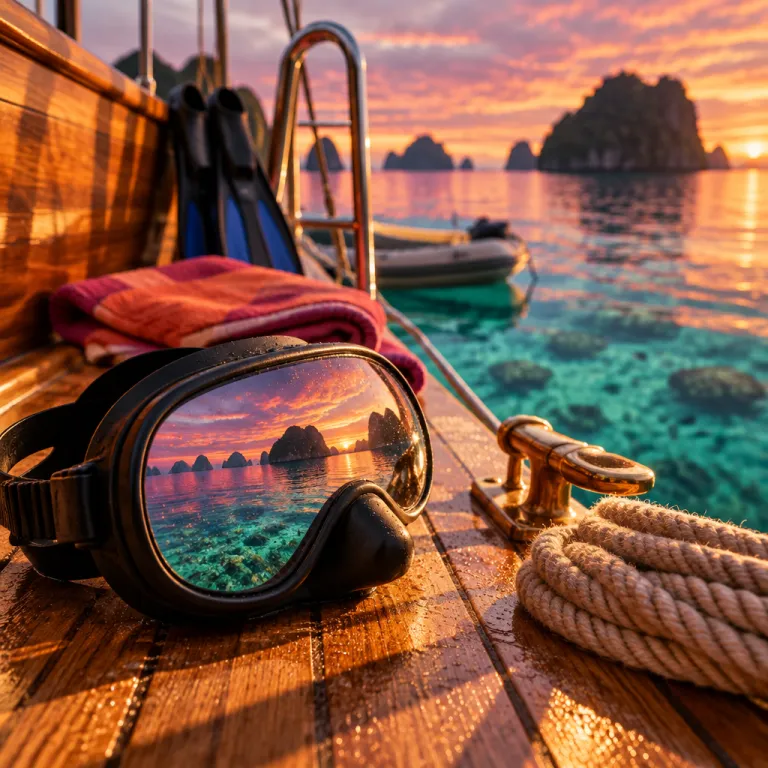
Why a Raja Ampat snorkeling cruise belongs on your luxury wish list
A carefully curated Raja Ampat snorkeling cruise blends yacht-style comfort with access to some of the richest marine life on Earth. During a well-planned journey through this Indonesian archipelago, you glide between jungle-clad islands while your captain positions the liveaboard directly above pristine reefs. For travelers used to premium hotels, the experience feels like a floating suite that moves with the tides and brings the coral right to your ladder.
The region of Raja Ampat sits at the heart of the wider Coral Triangle, a marine icon known for record-breaking biodiversity and crystal-clear water. Here, coral reefs host clouds of fish, reef sharks, and elusive pygmy seahorses, while manta rays sweep across cleaning stations such as the famed Manta Ridge. A luxury Raja Ampat liveaboard lets you enjoy this marine life in small-group comfort, with attentive crew, refined dining, and cabins that rival high-end rooms on land.
Premium cruises in Raja Ampat usually focus on snorkeling and diving around sheltered bays, outer reefs, and limestone islands that feel far removed from mass tourism. Many liveaboard itineraries include flexible days in Raja Ampat, so your group can adjust the schedule to follow the best light, tides, and wildlife sightings. When you view trip details on a specialist booking resource for boat-based stays, pay close attention to the stated group size, the balance between snorkeling sessions and optional diving, and how many hours are dedicated to exploring coral reefs each day.
Choosing the right liveaboard for a premium Raja Ampat escape
Selecting the ideal liveaboard for your Raja Ampat snorkeling cruise starts with clarifying how you like to travel. Some travelers prefer an intimate small-group atmosphere with only a handful of cabins, while others enjoy slightly larger liveaboards that offer more social spaces and varied content such as photography workshops. On a luxury Raja Ampat liveaboard, the difference between a group of eight and a group of sixteen guests can dramatically change the onboard experience.
When you compare Raja Ampat liveaboard options, study the layout of cabins, the deck space, and how easy it is to access the water for frequent snorkeling. High-end cruises often feature spacious sun decks where you can watch manta rays feeding near the surface or observe reef sharks patrolling the reefs below. A transparent description of safety equipment, crew training, and tender boats for reaching shallow coral reefs is essential for building trust before you book any trip.
Premium boat hotel booking platforms help you filter cruises by group size, cabin category, and focus on snorkeling or diving. For travelers planning a longer itinerary that might also include the Banda Sea, look for flexible Raja Ampat trips that combine several regions without rushing the days spent in the archipelago. To elevate your stay with exclusive packages and seasonal perks, consult a single specialist hub for premium boat hotel booking and tailored offers before confirming your chosen Raja Ampat liveaboard.
Signature snorkeling sites and routes across the Raja Ampat archipelago
The Raja Ampat archipelago stretches across hundreds of islands, so route planning shapes the quality of every snorkeling trip. Many luxury cruises focus on the Dampier Strait, where nutrient-rich water funnels between islands and fuels dense marine life. Here, coral reefs support swirling schools of fish, wobbegong sharks resting under ledges, and regular encounters with manta rays at sites such as Manta Ridge.
Other itineraries extend farther north or south, adding remote islands with exceptionally pristine reefs and fewer boats. On these routes, your snorkeling sessions in Raja Ampat might include shallow coral gardens where pygmy seahorses cling to gorgonian fans and reef sharks cruise the drop-offs. A well-designed Raja Ampat snorkeling cruise often alternates energetic drift snorkeling with calm lagoons, giving your group time to appreciate both the drama and the quiet details of marine life.
Some high-end Raja Ampat liveaboard programs also link Raja Ampat with the Banda Sea, creating longer Indonesian island-hopping journeys that appeal to experienced snorkelers and divers. When you view trip outlines on a trusted booking website, check how many days are dedicated to the core Raja Ampat region before the vessel crosses open water. For inspiration on the world’s top-rated boat hotels and how they integrate snorkeling, diving, and refined service, explore a guide to top-rated boat hotels for luxury travel and compare it with your preferred Raja Ampat route.
Life on board: what to expect from a luxury snorkeling focused liveaboard
Daily life on a premium Raja Ampat snorkeling cruise follows a gentle rhythm shaped by tides and light. You usually wake to coffee on deck, followed by the first snorkeling session over coral reefs glowing in the early sun. After a relaxed breakfast, the liveaboard may reposition to a new bay, giving your small group a fresh view of jungle-covered islands and glassy water.
Midday often brings a second or third snorkeling outing, sometimes combined with a beach visit or a short hike to a panoramic icon viewpoint. Between water sessions, guests lounge on deck, review underwater photos of manta rays and pygmy seahorses, or simply watch fish schooling beneath the hull. Many luxury Raja Ampat liveaboard operators offer optional diving for certified guests, while ensuring that snorkeling remains central to the content of each day’s program.
Evenings on cruises in Raja Ampat are unhurried, with refined meals and time to share reviews of the day’s highlights. Some itineraries include night snorkeling to observe different marine life such as hunting reef sharks and crustaceans emerging from the coral. One guest described the experience as “like drifting through a living galaxy of plankton and bioluminescence,” a reminder of how immersive these after-dark sessions can feel. If you or someone in your group has reduced mobility, consult specialist advice on accessible boat stays options to ensure that boarding procedures, ladders, and cabin layouts match your needs before you finalize any trip.
Planning your Raja Ampat trip: timing, logistics, and sustainability
Thoughtful planning transforms a Raja Ampat snorkeling cruise from a simple holiday into a deeply rewarding experience. Start by choosing the right season for calm water, good visibility, and comfortable surface conditions that suit your swimming confidence. Many travelers prefer periods with lighter winds, which make tender transfers easier and keep coral reefs well lit for photography.
Reaching Raja Ampat usually involves flights to Sorong, followed by a transfer arranged by your liveaboard or booking platform. Because luggage allowances can be tight, prioritize high-quality masks, snorkels, and fins, while renting bulkier diving equipment on board if needed. A small-group charter can be ideal for families or friends who want to tailor the schedule, manage group size carefully, and focus on specific interests such as manta rays or macro marine life.
Sustainability matters in a fragile marine icon like Raja Ampat, where Coral Triangle ecosystems support both wildlife and local communities. Choose cruises that limit plastic use, treat wastewater responsibly, and brief guests on respectful behavior around reef sharks, wobbegong sharks, and other sensitive species. When you read reviews, look for consistent praise about how the crew protects coral reefs, manages Raja Ampat trips with minimal impact, and collaborates with local guides across the islands.
How to read reviews and compare premium boat hotel options
Online reviews are invaluable when selecting a Raja Ampat snorkeling cruise, but they require careful interpretation. Focus on detailed comments about snorkeling and diving operations, not just general praise for scenery or food. Look for repeated mentions of healthy coral, abundant fish, and attentive guides who understand both marine biology and guest safety.
When comparing Raja Ampat liveaboards, pay attention to how reviewers describe group dynamics and the stated group size. A consistently positive small-group atmosphere usually signals that the crew manages schedules, briefings, and water entries with care. Reviews that highlight respectful wildlife encounters with manta rays, reef sharks, and pygmy seahorses also indicate that the operator follows best practices in this Coral Triangle hotspot.
Premium booking websites for boat hotels often curate content that summarizes guest feedback, safety records, and the strengths of each Raja Ampat liveaboard. Use these summaries to shortlist a few cruises, then view trip details directly to confirm cabin layouts, snorkeling frequency, and the balance between time in Raja Ampat and any Banda Sea extensions. By combining transparent information, verifiable reviews, and your own priorities, you can select a Raja Ampat trip that delivers both luxury comfort and meaningful time in the water above some of the world’s most pristine reefs.
Key figures and conservation statistics for Raja Ampat marine life
- Marine biologists working in Raja Ampat have recorded more than 550 species of coral in the region, representing over 70 percent of all known coral species worldwide according to Conservation International’s Coral Triangle assessments; this density underpins the exceptional snorkeling and diving experience on every cruise.
- Surveys by The Nature Conservancy and local partners have documented more than 1,400 species of reef fish in the Raja Ampat archipelago, making these islands one of the richest marine ecosystems on the planet and a prime destination for fish-focused snorkeling trips.
- Raja Ampat’s network of marine protected areas covers roughly 1.3 million hectares of water, and long-term monitoring shows significant increases in reef shark and manta ray populations inside no-take zones compared with adjacent unprotected reefs, based on Indonesian and international conservation reports.
- Studies published by Indonesian marine research institutes indicate that liveaboard tourism, when managed with strict environmental guidelines and limited group size, generates higher local income per visitor while reducing pressure on coral reefs from destructive fishing practices.
FAQ about planning a Raja Ampat snorkeling cruise
How many days do I need for a Raja Ampat snorkeling focused trip ?
Most travelers find that eight to ten days on a liveaboard in Raja Ampat provide enough time to visit several island groups, experience multiple coral reef types, and enjoy rest periods between intensive snorkeling sessions. Shorter trips of five to six days can work if you focus on the Dampier Strait, while longer itineraries that include the Banda Sea suit guests who want a broader mix of snorkeling and diving.
Is Raja Ampat suitable for beginner snorkelers ?
Raja Ampat can be suitable for beginners when you choose a liveaboard that prioritizes sheltered bays, clear water, and strong in-water guiding. Look for operators that limit group size, provide flotation aids, and offer detailed briefings about currents, entry techniques, and how to avoid damaging coral reefs while you build confidence.
What is the difference between a snorkeling cruise and a diving focused liveaboard in Raja Ampat ?
A snorkeling-oriented Raja Ampat cruise structures the daily schedule around shallow reefs, gentle drift sites, and long surface intervals, while a diving-focused liveaboard emphasizes deeper sites, more technical briefings, and compressed gas logistics. Some premium vessels successfully combine both by running separate groups, but if snorkeling is your priority, choose a Raja Ampat liveaboard where the majority of guests share that focus.
Do I need a wetsuit for snorkeling in Raja Ampat ?
Water temperatures in Raja Ampat are generally warm, often around 27 to 29 degrees Celsius, yet many guests still prefer a thin wetsuit or rash guard for sun protection and comfort during multiple daily sessions. A lightweight suit also offers extra buoyancy and reduces the risk of accidental contact with coral or stinging marine life.
How can I ensure my Raja Ampat cruise is environmentally responsible ?
Choose operators that participate in local marine protected area programs, brief guests on reef-safe behavior, and avoid anchoring on coral reefs by using moorings instead. Reading independent reviews and asking specific questions about fuel efficiency, waste management, and wildlife interaction guidelines will help you identify cruises that genuinely support conservation in the Raja Ampat archipelago.